Mindful Breathing Techniques for Stress Relief in Daily Life
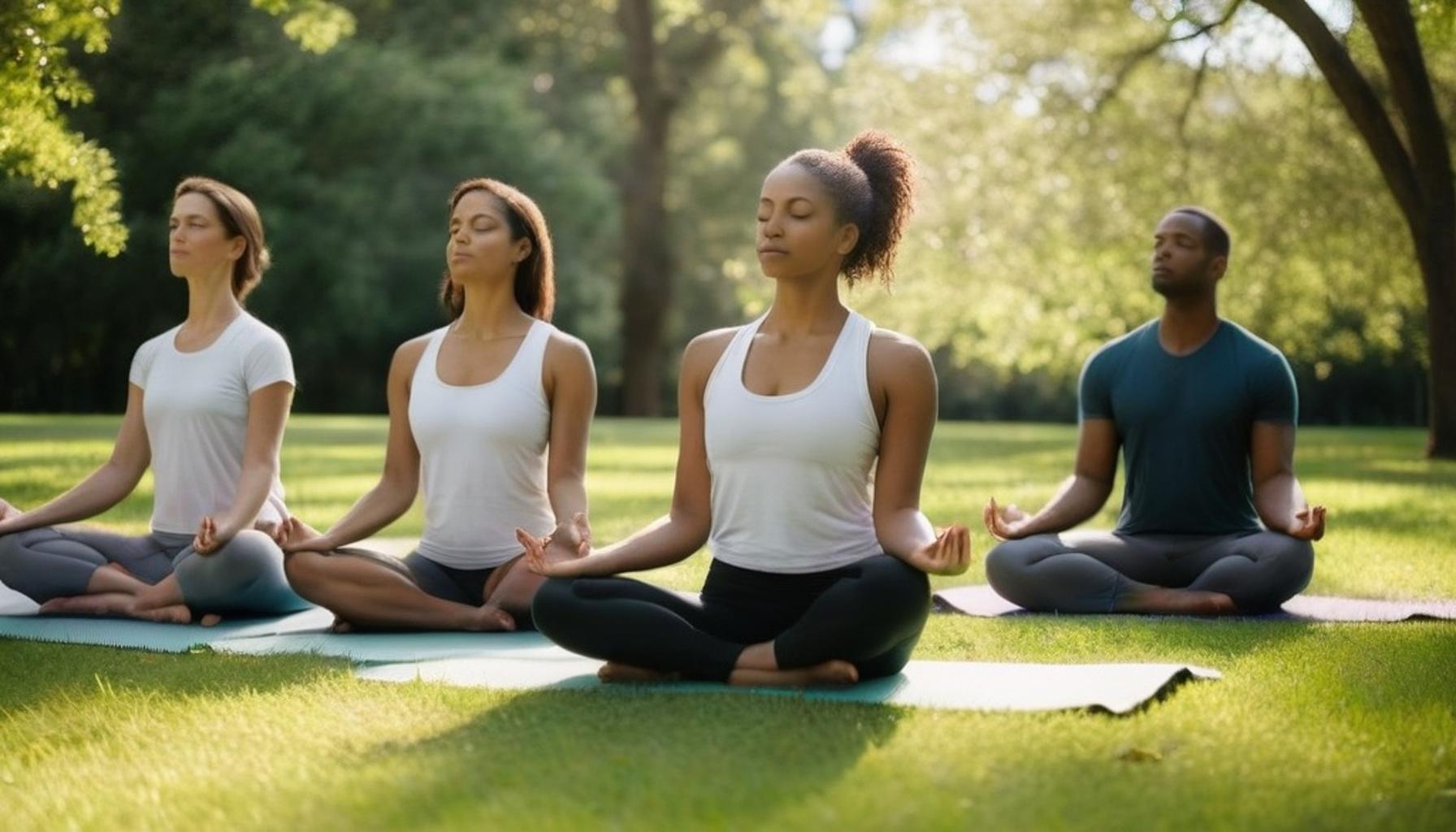
Why Your Breath Might Be the Most Underrated Stress Tool You Own
Americans are stressed. According to the American Psychological Association, over 75% of adults report experiencing physical or emotional symptoms tied to chronic stress. Yet one of the most accessible remedies is something everyone already carries: their breath.
Mindful breathing techniques have quietly become one of the most researched, low-cost approaches to managing daily anxiety and tension. No apps, no equipment, no gym membership required. This growing body of evidence is catching the attention of researchers at institutions like Harvard Medical School and Stanford, where studies on breath-based interventions have shown measurable changes in heart rate variability and stress hormone levels.
What Makes Breathing “Mindful,” Exactly?
It’s not just inhaling and exhaling. Mindful breathing means directing full attention to each breath cycle, noticing sensations, and using controlled patterns to calm the nervous system. Practitioners often describe it as tuning into the body’s rhythm rather than letting breathing happen automatically in the background.
This simple shift activates the parasympathetic nervous system, the body’s natural “rest and digest” mode. Studies show it can lower cortisol levels within minutes. Some research even suggests that just five minutes of focused breathing can reduce blood pressure temporarily, offering a quick reset during high-pressure moments.
Why This Matters for Everyday Life
From packed commutes to back-to-back Zoom calls, stress triggers are everywhere. That’s exactly why stress relief breathing exercises are gaining traction among therapists, wellness coaches, and even corporate HR departments looking for low-cost ways to support employee wellbeing.
Consider how these techniques are being used today:
- Healthcare workers using box breathing between patient rounds to reset focus during long, demanding shifts
- Students practicing mindfulness breathing for anxiety before exams, sometimes as part of school-wide wellness programs
- Office employees taking two-minute breathing breaks instead of coffee runs, citing improved concentration afterward
- Parents using breathwork to stay calm during chaotic mornings, especially when juggling school drop-offs and work deadlines
- Athletes and coaches incorporating breath control into pre-game routines to manage performance anxiety
Interestingly, military and first-responder training programs across the country have also adopted structured breathing methods to help personnel manage acute stress in high-stakes situations, further reinforcing its credibility beyond wellness circles.
This article breaks down how to practice mindful breathing effectively, explores practical daily breathing techniques for relaxation, and reveals the science-backed benefits of mindful breathing that go far beyond simple relaxation, touching on everything from immune function to emotional regulation.
CHECK OUT: Nutrition and Stress: Foods that Help Reduce Anxiety and Promote Well-Being
The Science Behind Why Breathing Techniques Actually Work
Skeptics often ask a fair question: how can something as simple as breathing make a real dent in stress? The answer lies in the autonomic nervous system, the control center that regulates heart rate, digestion, and the body’s fight-or-flight response.
When stress hits, breathing becomes shallow and rapid, signaling the brain that danger is near. Mindful breathing techniques interrupt that cycle by deliberately slowing the breath, which sends an opposite signal: the threat has passed, and it’s safe to relax.
A 2022 study published in Frontiers in Psychology found that participants who practiced slow-paced breathing for just ten minutes a day over four weeks showed significant reductions in self-reported anxiety and improved mood stability. Researchers linked this to increased vagal tone, a marker of how efficiently the vagus nerve communicates calmness throughout the body.
This vagus nerve connection is worth pausing on, because it explains so much of what makes breathwork different from other relaxation methods. The vagus nerve runs from the brainstem down through the neck, chest, and abdomen, touching nearly every major organ along the way. When someone practices slow, deliberate breathing, they are essentially reaching into their own nervous system and manually adjusting the dial from “alert” to “at ease.” Cardiologists have taken notice too, with several studies from institutions like the Cleveland Clinic pointing to breathwork as a low-risk complement to traditional treatment for stress-related heart strain.
The Physical Chain Reaction Triggered by Slow Breathing
Understanding how to practice mindful breathing effectively starts with knowing what happens inside the body once the technique begins. It’s not just a mental trick, it’s a measurable physiological shift.
- Heart rate slows, reducing strain on the cardiovascular system
- Oxygen exchange improves, delivering more efficient energy to cells
- Cortisol production drops, easing the body’s stress hormone load
- Muscle tension releases, particularly in the shoulders, jaw, and chest
- Mental clarity sharpens as blood flow to the prefrontal cortex increases
These changes don’t require hours of practice. Many daily breathing techniques for relaxation produce noticeable effects within three to five minutes, making them practical for anyone squeezed for time, whether that’s a nurse on a fifteen-minute break or a parent hiding in the bathroom for a moment of peace.
Some techniques have gained particular traction across the country, including the 4-7-8 method, where a person inhales for four seconds, holds for seven, and exhales slowly for eight. Others swear by box breathing, a technique reportedly used by Navy SEALs to stay composed under extreme pressure. The appeal isn’t just the calm it produces, but how quickly that calm arrives, often before a single therapy session or medication could take effect.
Why This Isn’t Just Another Wellness Trend
Unlike many stress-relief fads that fade after a few seasons, breathwork has decades of clinical research behind it. The National Institutes of Health has funded multiple studies examining breath regulation’s role in managing conditions like generalized anxiety disorder and hypertension.
What sets stress relief breathing exercises apart is accessibility. There’s no cost barrier, no special equipment, and no steep learning curve. This democratization of stress management is part of why it’s showing up everywhere from hospital wellness programs to Fortune 500 boardrooms, proving that sometimes the most powerful tools are the ones already built into the body.
Perhaps the most compelling part of this story is how quietly it has spread. There are no flashy gadgets to buy, no subscriptions to renew, just a shift in attention toward something people already do roughly twenty thousand times a day. As more workplaces and healthcare providers experiment with structured breathing programs, the conversation is shifting from whether breathwork works to how it can be used most effectively, an open question researchers are still racing to answer.
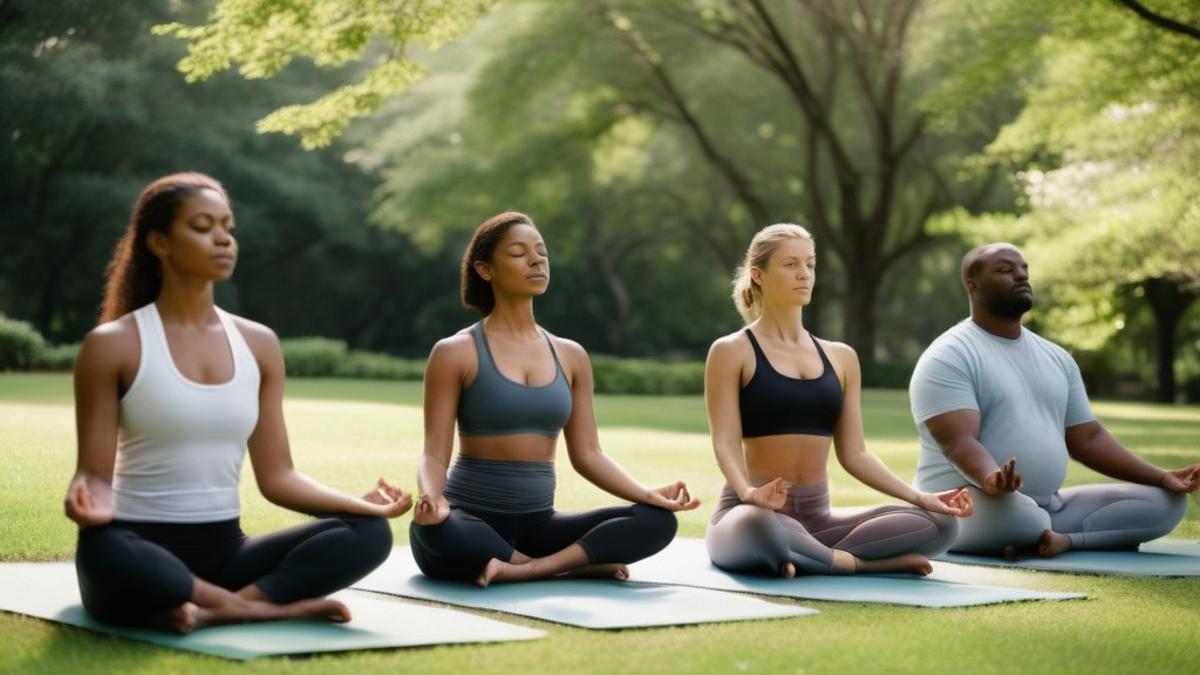
Key Aspects of Mindful Breathing Techniques for Stress Relief
Understanding the core elements of mindful breathing techniques helps readers see why this simple practice has become a trusted tool for calming the nervous system. Below is a quick reference table summarizing the most relevant categories, from specific exercises to their measurable benefits, giving you a snapshot before diving deeper into how to practice mindful breathing effectively.
| Category | Description |
|---|---|
| Diaphragmatic Breathing | A foundational stress relief breathing exercise using the diaphragm to lower heart rate. |
| 4-7-8 Technique | Popular mindfulness breathing for anxiety, involving timed inhale-hold-exhale cycles. |
| Box Breathing | A structured daily breathing technique for relaxation used by athletes and professionals. |
| Physiological Benefits | Reduces cortisol levels, showcasing the benefits of mindful breathing on overall health. |
Each technique listed above targets a slightly different physiological response, yet all share one goal: activating the parasympathetic nervous system to counteract everyday stress triggers.
LEARN MORE: The Role of Sleep in Stress Management: Strategies to Improve Sleep Quality and Reduce Anxiety
Practical Techniques Anyone Can Use Right Now
Reading about the science is one thing, but putting mindful breathing techniques into practice is where the real transformation happens. The good news is that most methods require nothing more than a quiet moment and a willingness to pay attention to something usually done automatically.
Diaphragmatic Breathing: The Foundation Technique
Also known as belly breathing, this method forms the backbone of nearly every stress relief breathing exercise taught by therapists and yoga instructors alike. Instead of shallow breaths that barely fill the upper chest, diaphragmatic breathing pulls air deep into the lower lungs, expanding the belly outward.
A person practicing this technique places one hand on the chest and one on the stomach, then breathes so only the stomach hand rises. Studies from Harvard Medical School’s Division of Sleep Medicine have shown this style of breathing can lower blood pressure within minutes, making it a favorite recommendation for people managing both anxiety and cardiovascular concerns.
Box Breathing for Sudden Pressure Situations
This technique has become popular among first responders, athletes, and even courtroom attorneys who need composure on demand. The pattern is simple: inhale for four counts, hold for four, exhale for four, hold again for four, then repeat.
What makes box breathing distinct is its rhythmic predictability. The equal counts create a mental anchor, giving the mind something structured to focus on instead of spiraling thoughts. Many describe it as pressing a reset button during moments of acute stress, whether that’s before a big presentation or in the middle of a heated argument.
Alternate Nostril Breathing for Mental Balance
Borrowed from traditional yogic practice, this technique involves closing one nostril while inhaling through the other, then switching sides on the exhale. Some practitioners in the United States have started using it as part of morning routines, claiming it sharpens focus before work.
Preliminary research published in the International Journal of Yoga suggests this method may help balance activity between the brain’s hemispheres, though scientists caution that more robust clinical trials are still needed to confirm the exact mechanism.
Building a Sustainable Daily Practice
Consistency tends to matter more than duration when it comes to mindfulness breathing for anxiety. Experts generally suggest starting small rather than attempting lengthy sessions that feel overwhelming.
- Begin with two to three minutes upon waking, before checking a phone or email
- Pair breathing exercises with an existing habit, like brewing morning coffee
- Use a phone reminder for a midday reset during work hours
- Practice before bed to signal the body it’s time to wind down
Learning how to practice mindful breathing isn’t about achieving perfection on the first attempt. It’s about repetition, allowing the nervous system to recognize the pattern over time until it becomes second nature, something the body reaches for automatically during moments of tension.
YOU MAY ALSO LIKE: Mindfulness Practices for Stress Reduction in Daily Life
Bringing It All Together: A Breath Worth Taking
From boardrooms in Manhattan to kitchen tables in small-town Ohio, the same truth keeps surfacing: the breath remains one of the few stress response tools available to everyone, free of cost and free of equipment. Mindful Breathing Techniques offer something modern wellness culture rarely delivers, which is a solution requiring no subscription, app, or special gear.
Diaphragmatic breathing, box breathing, and alternate nostril breathing each approach the nervous system from a slightly different angle, yet all point toward the same outcome. They interrupt the body’s stress cycle and hand control back to the person experiencing it.
The benefits of mindful breathing extend beyond a single calming session. Regular practitioners often report better sleep, steadier moods, and a noticeable dip in the physical tension that builds during a demanding workday. Some cardiologists have even begun mentioning breathwork alongside diet and exercise when discussing long-term heart health with patients.
What stands out most is accessibility. Daily breathing techniques for relaxation don’t require a retreat in the mountains or a dedicated studio membership. They fit into a commute, a lunch break, or the few minutes before a difficult phone call.
Skeptics might question whether something so simple can compete with medication or therapy, and for some conditions, it likely cannot replace professional care. Still, as a daily companion practice, few tools carry such a low barrier to entry and such consistent anecdotal and clinical support.
Anyone curious about stress relief breathing exercises might start with just one technique this week, tracking how the body responds before adding another. Over time, that small experiment could become the difference between reacting to stress and meeting it with a steadier, more deliberate breath.
Frequently Asked Questions
How long should I practice mindful breathing techniques each day to notice stress relief?
Most people notice a calming effect after just 5 to 10 minutes of focused practice, especially when done consistently once or twice daily. Research suggests that even short sessions of 3 to 5 minutes during a stressful moment can lower heart rate and reduce cortisol levels. Building up to 15 to 20 minutes over time can deepen the long-term benefits for anxiety and stress management.
What is the 4-7-8 breathing technique and how does it help with stress?
The 4-7-8 technique involves inhaling through the nose for 4 seconds, holding the breath for 7 seconds, and exhaling slowly through the mouth for 8 seconds. This pattern activates the parasympathetic nervous system, which counteracts the body’s fight-or-flight response and promotes relaxation. It is especially useful before bed or during moments of acute anxiety, such as before a stressful meeting.
Can mindful breathing techniques be done discreetly at work without others noticing?
Yes, techniques like box breathing or simple diaphragmatic breathing can be practiced quietly at your desk without drawing attention. You can inhale slowly through your nose for a count of four while keeping your shoulders relaxed, then exhale gently, repeating this for a minute or two. Since these methods require no special posture or sounds, they blend easily into a busy workday.
What’s the difference between diaphragmatic breathing and shallow chest breathing for stress relief?
Diaphragmatic breathing engages the diaphragm to draw air deep into the lungs, which slows the heart rate and signals safety to the nervous system. Shallow chest breathing, common during stress, keeps oxygen intake minimal and can actually heighten feelings of anxiety over time. Practicing belly breathing regularly retrains your body to default to calmer, more efficient breathing patterns even under pressure.
Are mindful breathing techniques effective for sudden panic or anxiety attacks?
Yes, techniques such as box breathing or extended exhale breathing can quickly interrupt the physical symptoms of a panic attack, like rapid heartbeat and shallow breathing. Focusing on a slow, controlled breath cycle redirects attention away from panic triggers and activates the body’s relaxation response within minutes. It’s helpful to practice these methods regularly when calm so they become automatic during a real crisis.
Do I need any special equipment or app to practice mindful breathing techniques for stress?
No special equipment is required, since mindful breathing techniques rely solely on your own breath and attention. That said, free apps or guided audio tracks can be helpful for beginners who want structured pacing or reminders to practice consistently. Many people eventually transition to unguided practice once they’ve internalized the rhythm of techniques like 4-7-8 or box breathing.

Linda Carter
Linda Carter is a writer specializing in healthy habits and balanced living. With extensive experience helping readers build sustainable routines, she shares practical guidance on nutrition, physical activity, quality sleep, stress management, and emotional well-being. Her goal is to offer simple, accessible strategies that inspire people to care for their health and enjoy a more balanced life.