The importance of strategic thinking in board games: how to develop planning skills
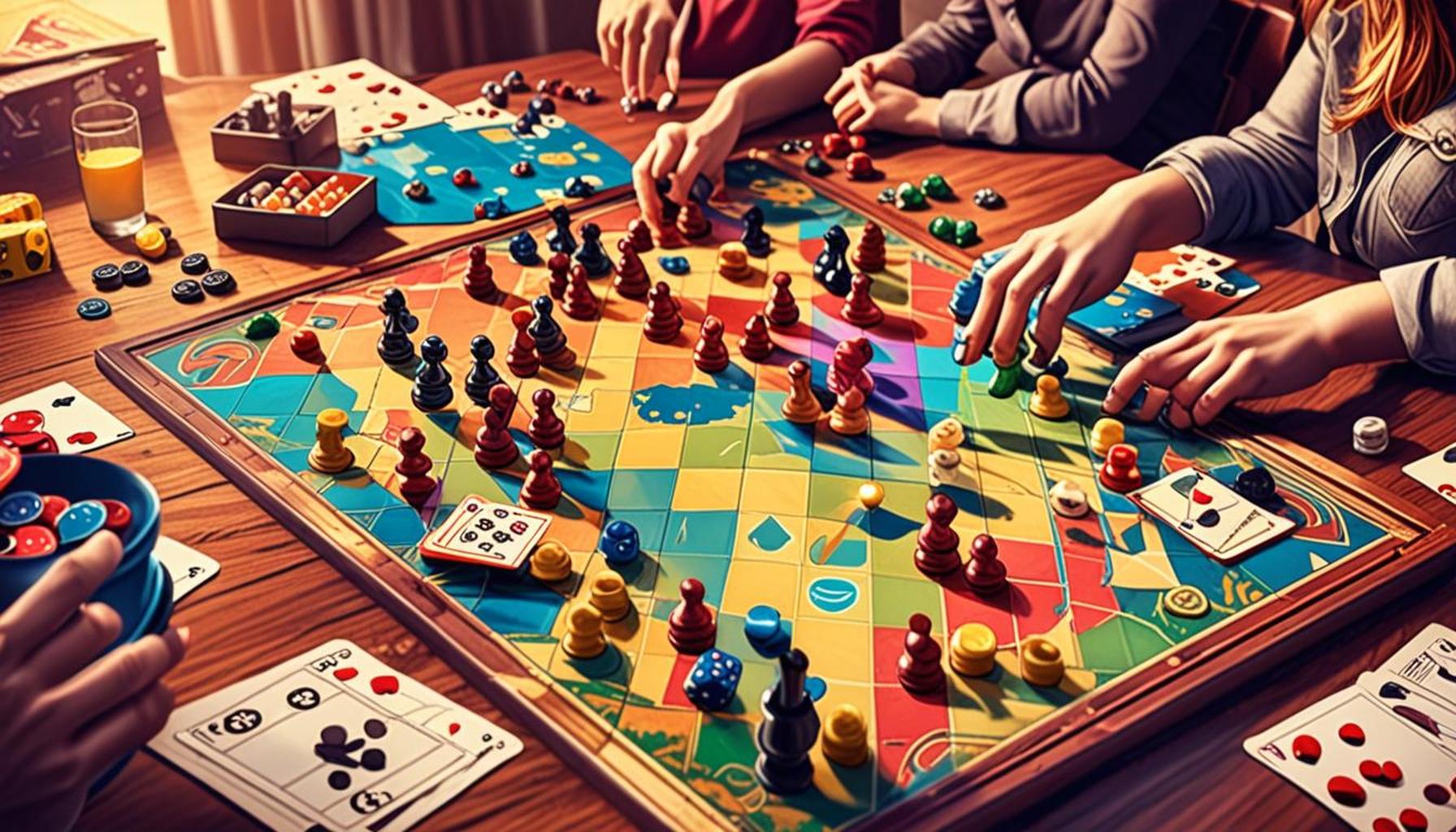
Understanding the Power of Strategic Thinking
Board games are more than just a pastime; they serve as a dynamic platform for cultivating strategic thinking skills. Through engaging gameplay, players navigate complex scenarios, honing their ability to plan and anticipate outcomes. This intricate dance of decision-making involves not only predicting opponents’ moves but also adapting to an ever-changing landscape of strategies and tactics. Understanding the significance of strategic decision-making in these settings can lead to improved cognitive skills and enhanced problem-solving abilities.
Key Components of Strategic Thinking
Strategic thinking in board games involves several key components that are crucial for success. These elements not only apply to gaming but also provide valuable lessons that can be transferred to real-world situations.
- Planning Ahead: Players must foresee potential future scenarios and strategize accordingly. For example, in chess, anticipating an opponent’s response to a move can dictate the entire course of the game. Similarly, in games like Settlers of Catan, players decide where to build settlements by predicting where resources will be scarce or abundant based on potential opponents’ strategies.
- Evaluating Risks: Understanding the balance between aggression and caution is crucial. Taking a risk can lead to remarkable payoffs, but it can also result in a significant setback. In games like Monopoly, deciding when to invest heavily in properties or hold back can make or break a player’s chance of triumph.
- Resource Management: Efficient use of game assets often determines victory. In games such as Ticket to Ride, players must prioritize routes while managing limited cards, balancing their needs with those of competitors. This aspect mirrors real-life situations where effective allocation of resources can drive business or personal success.
The Impact of Classic and Modern Games
From classic games like chess and Go to modern strategy-focused titles like Terraforming Mars, the lessons learned are invaluable. Each game presents unique challenges that require players to think several steps ahead, fostering the development of critical thinking skills. For instance, cooperative games such as Pandemic encourage players to collaboratively devise strategies to contain outbreaks, promoting teamwork alongside strategic vision.
Enhancing Your Strategic Skillset
In delving deeper, you can discover various methods to enhance your strategic thinking in gameplay. This might include studying prior matches to understand different strategies, playing diverse types of games to adapt your thinking style, or even participating in board game clubs to immerse yourself in a wider variety of tactical challenges. Whether you are playing with friends or competing online, strategic thinking is a skill that transcends the board. This skill not only makes you a more formidable opponent but also turns game nights into rich opportunities for learning and growth.
Join us as we explore how to unlock your potential, enhance your cognitive abilities, and elevate your game to new heights. As you refine your strategic thinking in games, you may find that the skills developed extend far beyond the table, creating a positive impact on your personal and professional life.

DISCOVER MORE: Click here to learn how math puzzles boost critical thinking
Unlocking Strategic Thinking Through Gameplay
Strategic thinking in board games fosters a multitude of critical cognitive skills that are indispensable not only in play but also in everyday decision-making. As players immerse themselves in a game’s mechanics, they engage in a series of analytical processes that sharpen their ability to make informed choices. These strategic encounters require players to evaluate options, foresee consequences, and plan actions that can leverage their strengths while mitigating weaknesses.
Building Blocks of Strategic Thinking
To truly grasp the importance of strategic thinking in board gaming, it is essential to identify several foundational components that contribute to effective planning and foresight. Each facet of strategic gameplay reveals methods players can utilize to enhance their capabilities both on and off the board. Consider the following elements:
- Anticipation: A core aspect of strategic thinking involves anticipating opponents’ moves and adapting one’s tactics accordingly. For example, in games like Risk, players must predict their opponents’ strategies and respond preemptively to secure territories. This necessity for foresight promotes a heightened awareness of the unfolding game scenario, urging players to refine their strategic outlook.
- Adaptability: The ability to pivot in response to shifting game dynamics is crucial. Board games often present unexpected challenges that require players to revise initial strategies. Titles such as Betrayal at House on the Hill highlight this principle, where players face sudden events and changes in alliances. Embracing change in strategy leads to improved resilience, a valuable skill in personal and professional contexts.
- Critical Analysis: Assessing the effectiveness of various strategies generates a deeper understanding of game mechanics and player psychology. In games like Ticket to Ride, players must analyze route efficiency and anticipate competitors’ moves, honing their capacity for critical thinking. Over time, this analytical approach cultivates a mindset that scrutinizes information and extracts value from experiences.
Connecting Classic and Modern Games to Skill Development
A wide spectrum of board games—from enduring classics like chess and checkers to modern strategic games such as Gloomhaven—offers players unique perspectives on strategic thinking. Each title presents different complexities and tactical challenges that encourage players to develop problem-solving skills. For instance, the game Carcassonne emphasizes tile placement strategies, requiring players to simultaneously build their own territory while blocking that of their opponents, illustrating the delicate balance between cooperation and competition.
As players navigate through these varied scenarios, they subtly refine their strategic thinking skills and reinforce their planning capabilities. The results of such play often resonate outside the gaming context, as enhanced strategic thinking translates into improved decision-making across personal and professional arenas. Whether it’s managing time effectively at work or planning a complicated project, the lessons learned from board games can manifest as significant life skills.
The journey to becoming a strategic thinker begins with engaging gameplay, and by exploring different strategies and learning from each experience, players can discover their potential. Understanding the interplay of tactics and foresight in board games not only elevates your gaming prowess but also cultivates a keen ability to tackle challenges head-on in real life.
| Advantages of Strategic Thinking | How It Develops Planning Skills |
|---|---|
| Enhanced Decision Making | Involves evaluating multiple outcomes, promoting analytical skills. |
| Forward-Thinking | Encourages players to plan several moves ahead, improving foresight. |
| Resource Management | Teaches optimal allocation of resources, critical for real-life planning. |
| Risk Assessment | Players learn to weigh risks versus rewards, an essential planning skill. |
Engaging in board games that emphasize strategic thinking can significantly bolster one’s ability to plan effectively. Each phase of gameplay challenges participants to think critically about their options, thereby enhancing their decision-making skills. Moreover, constantly looking ahead allows players to develop a sense of foresight, vital for navigating both games and real-life scenarios. The skill of managing limited resources, as learned in these games, relates closely to practical situations, such as budgeting or project management, where maximizing output is crucial.Furthermore, players become adept at assessing risks, balancing potentially hazardous moves with possible gains. This competency not only contributes to gaming strategy but also translates into a sharper understanding of everyday decisions. Tapping into these aspects of strategic board games can pave the way for richer planning skills, equipped for both competition and collaboration. As interest in enhancing cognitive abilities grows, exploring such games becomes more appealing among enthusiasts.
DISCOVER MORE: Click here to enhance your memory
Enhancing Planning Skills Through Engaging Gameplay
As players delve deeper into the realm of strategic board games, they not only engage in competitive fun but also cultivate vital planning skills that benefit various life scenarios. Effective gameplay involves foresight and careful planning, qualities that can translate into everyday activities such as time management, resource allocation, and team dynamics.
The Power of Scenario Analysis
One significant advantage of board games is the opportunity for scenario analysis. Players must frequently analyze various potential outcomes based on their decisions. In games like Pandemic, where participants team up to prevent global outbreaks, players must strategize not just their own moves but also consider how their decisions affect the entire team. This fosters an understanding of how personal actions contribute to collective goals, a crucial skill in corporate settings where teamwork is paramount.
Beyond simply choosing options, players learn to weigh risks and rewards effectively. This approach allows for a deeper understanding of how varying strategies can lead to different end results. The practice of analyzing possible scenarios sharpens analytical reasoning and enhances the foresight necessary for strategic planning.
Learning Resource Management
Resource management is another prominent feature of many strategic board games that teaches players to prioritize and allocate effectively. In Settlers of Catan, players gather resources such as wood, grain, and brick to develop settlements and cities. The challenge lies in deciding how to best use these limited resources while negotiating trades with opponents. This game teaches not only resource allocation but also negotiation skills—the latter being invaluable in real-world business negotiations.
Through resource management mechanics, players grasp the importance of making informed decisions under constraints, a skill directly applicable to personal life situations such as budgeting and project management. Balancing immediate needs with long-term goals becomes second nature, enhancing overall strategic thinking capabilities.
Encouraging Long-Term Vision
Strategic board games often encourage players to adopt a long-term vision in their planning. Whether it’s building a thriving empire in a game like 7 Wonders or navigating complex interactions in Diplomacy, the focus shifts from short-term wins to sustained success over multiple rounds. Such games emphasize that every small decision can contribute to a larger strategy, reinforcing the importance of persistence and foresight in achieving goals.
The capacity to maintain a long-term perspective helps instill patience and discipline, essential attributes in both personal and professional development. In a world of instant gratification, cultivating a mindset that values strategic planning over immediate rewards can lead to substantial achievements. By learning to balance short-term actions with long-term objectives, players empower themselves to approach challenges with a more comprehensive strategic outlook.
Real-Life Applications of Game-Developed Skills
The strategic thinking developed through board games intersects seamlessly with various fields. Corporate leaders increasingly recognize the value of games in team-building exercises or strategic planning workshops. According to studies, companies that leverage game-based learning report improved teamwork and communication among personnel, which are vital for fostering innovation and adapting to market changes.
Furthermore, engaging with board games promotes an atmosphere of creative problem-solving. Players learn to view challenges from different angles, facilitating broader discussions in workplaces and classrooms alike. This flexibility in thinking is highly sought after, particularly in the face of an ever-evolving global landscape.
As such, the strategic insights gained from board games not only contribute to gaming success but also empower individuals with essential planning and decision-making skills that resonate in various aspects of life. Aspiring to hone these skills through strategic play opens doors to infinite possibilities for innovation and personal growth.
DISCOVER MORE: Click here
Conclusion: The Lasting Impact of Strategic Thinking in Board Games
As we’ve explored, the world of board games holds immense value beyond mere entertainment. The journey of strategic thinking within these games plays a pivotal role in developing planning skills that are crucial for success in both personal and professional contexts. By engaging in gameplay, players sharpen their abilities in scenario analysis, resource management, and long-term vision—all essential components of effective planning.
It’s remarkable how the lessons learned from games like Settlers of Catan or Pandemic translate to real-life challenges, from managing financial resources to collaborating within teams. The transferable skills gained through this immersive experience foster not only critical thinking but also a deeper understanding of collective goals—qualities that are invaluable in today’s interconnected work environments.
Furthermore, the adaptability encouraged by board games cultivates a mindset of innovation and flexibility, allowing individuals to approach problems with a diverse range of strategies. This adaptability is increasingly essential in our fast-paced world, where change is the only constant. Companies and educators alike recognize the rich potential of game-based learning to enhance teamwork and inject creativity into problem-solving, making strategic gaming an integral part of professional development.
In conclusion, embracing the intricacies of strategic board games offers a unique opportunity to nurture essential planning skills. By assessing the benefits of strategic thinking within these games, players can unlock new horizons of personal growth and achievement. So, the next time you gather around a game table, remember that each move not only brings excitement but also enriches your capacity for effective planning—both on and off the board.
Related posts:
The Influence of Card Games on Planning and Movement Anticipation Ability
How Logic Puzzles Increase Strategic Thinking Flexibility
Boost Decision-Making Skills with Mind Games Strategic Challenges
How Logic Challenges Stimulate Creativity in Strategic Solutions
The Importance of Puzzles in Developing Strategic Planning and Execution Skills
Unlocking Puzzle Mastery Strategic Thinkings Key Role in Complex Solutions

Linda Carter is a writer and puzzle expert specializing in mind games, brain teasers, and cognitive challenges. With extensive experience helping individuals enhance their problem-solving skills and think critically, Linda shares her knowledge on our platform. Her goal is to empower readers with practical advice, engaging puzzles, and strategies to sharpen their minds and achieve success in the captivating world of mind games and puzzles.