The Impact of Brain Games on Memory Retention in Older Adults
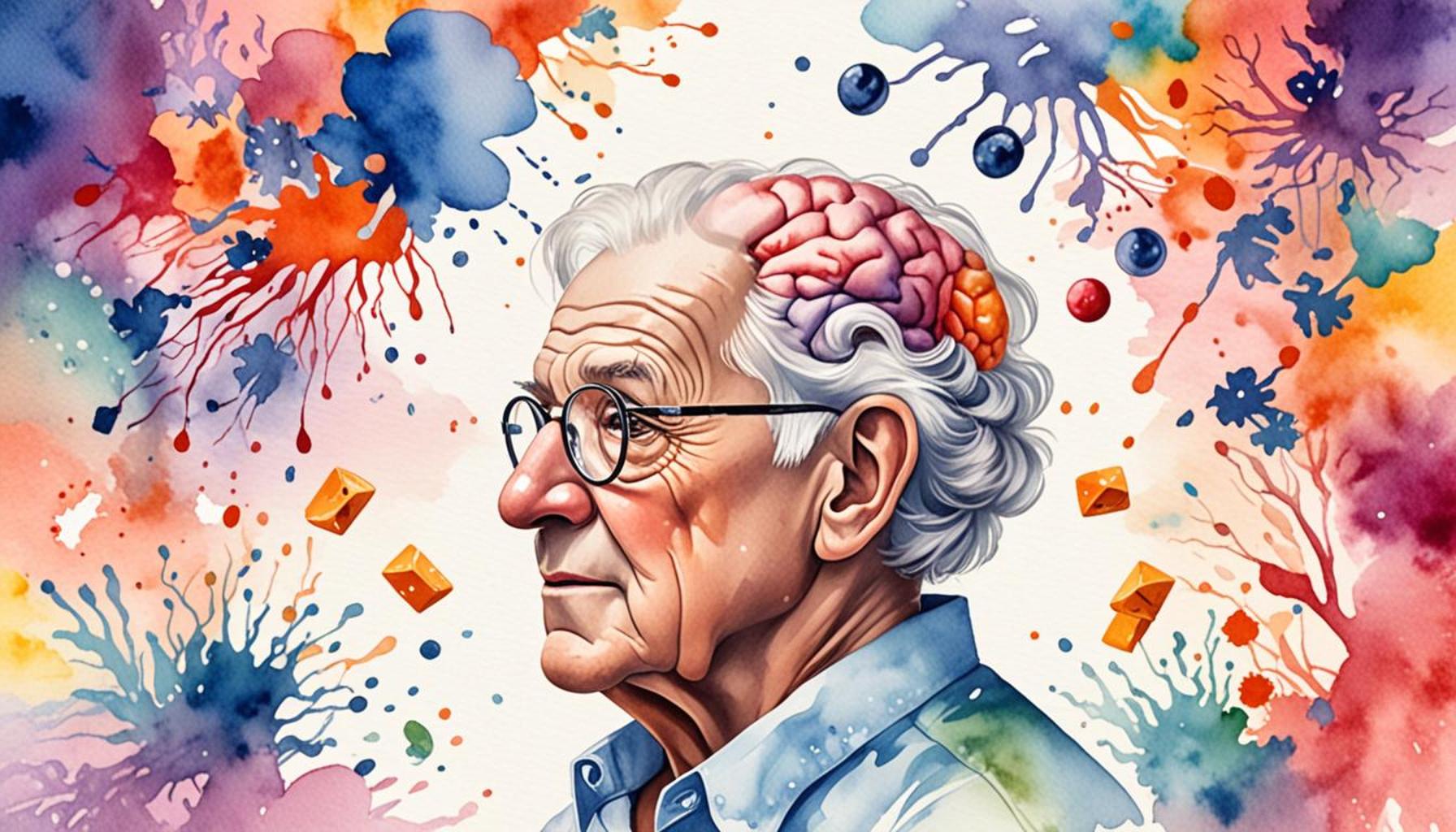
Cognitive Health and Engaging Activities
As we age, maintaining cognitive function becomes increasingly important. The demand for effective strategies to enhance memory retention in older adults has led many to explore the fascinating world of brain games. These mental workouts have gained traction, not only for their fun and engaging nature but also for their potential benefits in promoting mental health and cognitive resilience.
Brain games are specifically designed to stimulate various cognitive functions. They include a wide range of activities such as puzzles, crosswords, memory matching games, and logic riddles. Here are some compelling features associated with these engaging activities:
- Challenge critical thinking and problem-solving abilities through scenarios that require logical reasoning and creative solutions.
- Improve short-term and long-term memory recall by utilizing memory exercises that help reinforce neural pathways.
- Enhance attention span and concentration with tasks that encourage sustained focus over extended periods.
Research has shown that regular participation in brain-training activities may have far-reaching effects on cognitive health. In a study by the National Institute on Aging, older adults engaging in brain games experienced notable improvements in memory retention. This research highlights that:
- Seniors who dedicate time to brain games may experience a slower rate of cognitive decline compared to those who do not.
- Such activities can contribute to a reduced risk of developing neurodegenerative conditions, such as Alzheimer’s disease and other forms of dementia.
- Consistent practice may lead to enhanced overall mental agility, sharpening cognitive abilities akin to physical exercise for the body.
With the rise of technology, accessing brain games has never been easier. From mobile apps like Lumosity and Peak to online platforms that host thousands of interactive challenges, the options are vast and varied. For instance, platforms like Brain Metrix offer tools that cover everything from memory improvements to visual-spatial skills, appealing to a wide range of interests and cognitive styles. These modern resources make it simple to incorporate brain games into daily routines, fostering a habit that can significantly enhance cognitive function over time.
By integrating brain games into their lives, older adults can discover innovative ways to engage their minds, boost their memory retention, and maintain their cognitive health. As these activities continue to evolve and gain popularity, the potential to improve mental capabilities and fight cognitive decline becomes an exciting possibility worth exploring for those looking to ensure a vibrant mind in their golden years.

DISCOVER MORE: Click here to enhance your memory
Exploring the Science Behind Brain Games
Understanding the cognitive benefits of brain games requires delving into the science of how the brain functions as we age. Research insists that the brain retains a remarkable degree of plasticity throughout life, which means it is continuously capable of forming new connections and pathways. This neuroplasticity is fundamental to the improvement of memory retention in older adults, and engaging in brain games can be a potent way to harness this ability.
Many studies shed light on the positive connection between brain games and cognitive health. For example, a systematic review published in the journal Frontiers in Aging Neuroscience analyzed various trials involving older participants and concluded that regular engagement with cognitive training exercises, such as brain games, is associated with significant improvements in memory performance. The benefits of these activities manifest in several key areas:
- Enhanced Information Processing: Brain games encourage quick thinking and faster processing speeds, which become essential as individuals face cognitive slowing with age.
- Improved Recall: Exercises designed specifically for memory enhancement help older adults sharpen their ability to remember names, faces, and other essential details.
- Increased Cognitive Reserve: By challenging the mind, brain games can build a ‘cognitive reserve’ that acts as a buffer against neurological decline, helping maintain sharper memory and mental abilities longer.
Additionally, the social aspect of many brain games should not be overlooked. Engaging in these activities with friends or family fosters social interaction, which is crucial for emotional well-being and cognitive function. Collaborative puzzles and joint gameplay can not only bolster memory retention but also create a sense of community and belonging, reducing feelings of isolation that often affect older adults.
The variety of brain games available today ranges from traditional board games to cutting-edge digital applications. Many are specifically designed for older adults, ensuring accessibility and usability. For instance, cognitive training programs like Elevate and CogniFit provide tailored challenges that adapt to individual skill levels, maximizing both enjoyment and cognitive benefits. This personalized approach enhances involvement and sustainability, making brain games a consistently engaging activity.
As older adults embrace these platforms, they can systematically retrain their brain’s capabilities, leading to better memory retention, increased cognitive resilience, and an overall improvement in quality of life. Whether it’s through innovative apps or time-honored games shared among family members, the impact of brain games cannot be understated in the quest for sustained cognitive health.
The Role of Brain Games in Enhancing Cognition
As people age, the quest for methods to support cognitive function and memory retention becomes increasingly important. Brain games have emerged as a potential tool for older adults, fostering engagement and enhancing their memory skills. Studies have shown that regular engagement in such games can significantly impact areas of the brain responsible for memory and thinking. By challenging the brain, these games activate neural circuits, promoting neuroplasticity—the brain’s ability to reorganize and form new connections.
Furthermore, brain games can help identify and mitigate cognitive decline. Many games are designed to target specific functions, including working memory, attention, and verbal fluency. By incorporating these activities into their daily routine, older adults not only enjoy a form of entertainment but also gain the opportunity to exercise their mental faculties in a structured way.
Interestingly, a study published in the Journal of Aging Research found that individuals who frequently engaged in brain training tasks scored higher in memory retention assessments compared to those who did not. Activities ranging from puzzles to memory card games can stimulate various aspects of cognitive function, offering a multifaceted approach to memory enhancement.
Moreover, the social aspect of playing brain games cannot be overlooked. Many brain games are designed for multiplayer interaction, which can foster social connections and improve mental well-being. This social engagement has been linked to better cognitive health, as maintaining relationships and interacting with peers can significantly reduce feelings of isolation, one of the major threats to mental health in older adults.
In summary, adopting brain games as a regular practice can have profound benefits for memory retention in older adults, providing both cognitive and social advantages. The diversity of games available means that individuals can find activities suited to their interests and cognitive levels, thereby maintaining motivation and consistent engagement.
| Category | Benefits |
|---|---|
| Cognitive Engagement | Stimulates brain areas responsible for memory and thinking. |
| Social Interaction | Promotes social connections, reducing feelings of isolation. |
By understanding the significant impact these games can have on memory retention and overall cognitive health, it becomes evident that older adults should consider incorporating them into their lives. The allure of not only boosting brain function but also engaging with others makes brain games a promising avenue for maintaining mental acuity.
DISCOVER MORE: Click here for deeper insights
The Role of Consistency and Variety in Cognitive Training
While the cognitive benefits of brain games are clear, achieving lasting improvements in memory retention requires more than sporadic engagement. Studies suggest that consistency and variety in cognitive training activities are critical drivers of effectiveness. A study published in the journal Cognitive Aging revealed that older adults who engaged in brain games on a regular basis experienced greater gains in memory retention compared to those who played less frequently. This indicates an essential aspect of cognitive health: frequency matters.
To harness the full potential of brain games, integrating a diverse range of activities is indispensable. Different types of games stimulate various cognitive skills, creating a holistic approach to brain training. For example:
- Logic Puzzles: Activities that require strategic thinking and problem-solving, such as Sudoku or chess, encourage critical thinking and enhance planning abilities.
- Memory Matching Games: Simple tasks like card matching support recall processes, making them essential for bolstering memory among older adults.
- Word Games: Engaging in activities that involve words, such as crossword puzzles or Scrabble, not only improves vocabulary and language skills but also enhances mental agility.
Moreover, a recent survey conducted by the AARP found that older adults who participated in a blend of brain games and physical activities reported improved mental health outcomes compared to those who focused solely on sedentary or solitary pursuits. Integrating physical exercise with cognitive challenges can strengthen not only memory retention but also overall brain health. As the body becomes more aerobically fit, increased blood flow may lead to enhanced cognitive performance, providing an additional layer of benefits.
In our technology-driven world, digital brain training platforms have surged in popularity. Apps like Lumosity and BrainHQ offer personalized training regimes that adapt to the user’s performance, making the experience both tailored and dynamic. Research published in the journal Psychological Science indicates that regular use of such applications can significantly enhance cognitive function, making them a valuable tool for older adults seeking improvement in memory retention.
Equally important is the aspect of motivation. A 2021 study in the journal Neuropsychology highlighted that older adults who set specific goals and received positive reinforcement from peers or trainers during their brain game sessions achieved better outcomes. By fostering a goal-oriented approach, individuals become more engaged and committed, thereby enhancing the odds of benefiting from the cognitive training.
Ultimately, the key takeaway is that while brain games hold immense potential for improving memory retention in older adults, achieving the best results hinges on the combination of regular practice, a variety of game types, physical activity, and social engagement. The synthesis of these elements creates a powerful environment for cognitive enhancement, enabling older adults to retain their memories and mental acuity well into their later years.
DISCOVER MORE: Click here to enhance your understanding
Conclusion: A Path to Sharper Minds in Later Life
In summary, the evidence supporting the effectiveness of brain games on memory retention in older adults is compelling and multifaceted. Regular engagement in cognitive training activities not only fosters improvements in memory but also promotes overall cognitive health. By incorporating a balanced mix of logic puzzles, memory games, and word challenges, older adults can target various brain functions, ensuring a well-rounded approach to mental stimulation.
Furthermore, the integration of physical activity with brain games serves to amplify the cognitive benefits, aligning both physical and mental health pursuits. As highlighted by recent AARP findings, this holistic approach can lead to improved mood and mental well-being. The advancements offered by digital brain training platforms make it easier than ever for older adults to participate in tailored training sessions, boost their cognitive performance, and customize their gaming experience.
As motivation emerges as a critical aspect of successful cognitive training, promoting goal-setting and social engagement becomes vital. Social interaction, paired with cognitive exercises, fuels motivation and keeps participants committed to their mental fitness journeys. The culmination of consistent practice, variety in activities, and supportive environments clearly lays the groundwork for an enhanced cognitive future.
Ultimately, as society continues to prioritize healthy aging, embracing the role of brain games in memory retention offers a valuable strategy for older adults looking to maintain their cognitive faculties. Whether through traditional board games, innovative apps, or community-based activities, the quest for sharper minds and lasting memories is well within reach as we age.
Related posts:
The Role of Brain Training Apps in Improving Memory: Myth or Reality?
Boost Memory with Puzzles Types Effectiveness Explored
Memory Techniques and Games: How to Combine Traditional Approaches with Playful Challenges
Gamification of Memory: The Impact of Interactive Challenges on Learning and Memory
The Benefits of Active Memory: How Memory Games Stimulate Creativity and Innovation
Boost Your Memory Science-Based Mind Games Techniques for Enhancement

Linda Carter is a writer and puzzle expert specializing in mind games, brain teasers, and cognitive challenges. With extensive experience helping individuals enhance their problem-solving skills and think critically, Linda shares her knowledge on our platform. Her goal is to empower readers with practical advice, engaging puzzles, and strategies to sharpen their minds and achieve success in the captivating world of mind games and puzzles.