Developing Problem-Solving Skills Through Puzzles and Strategy Games
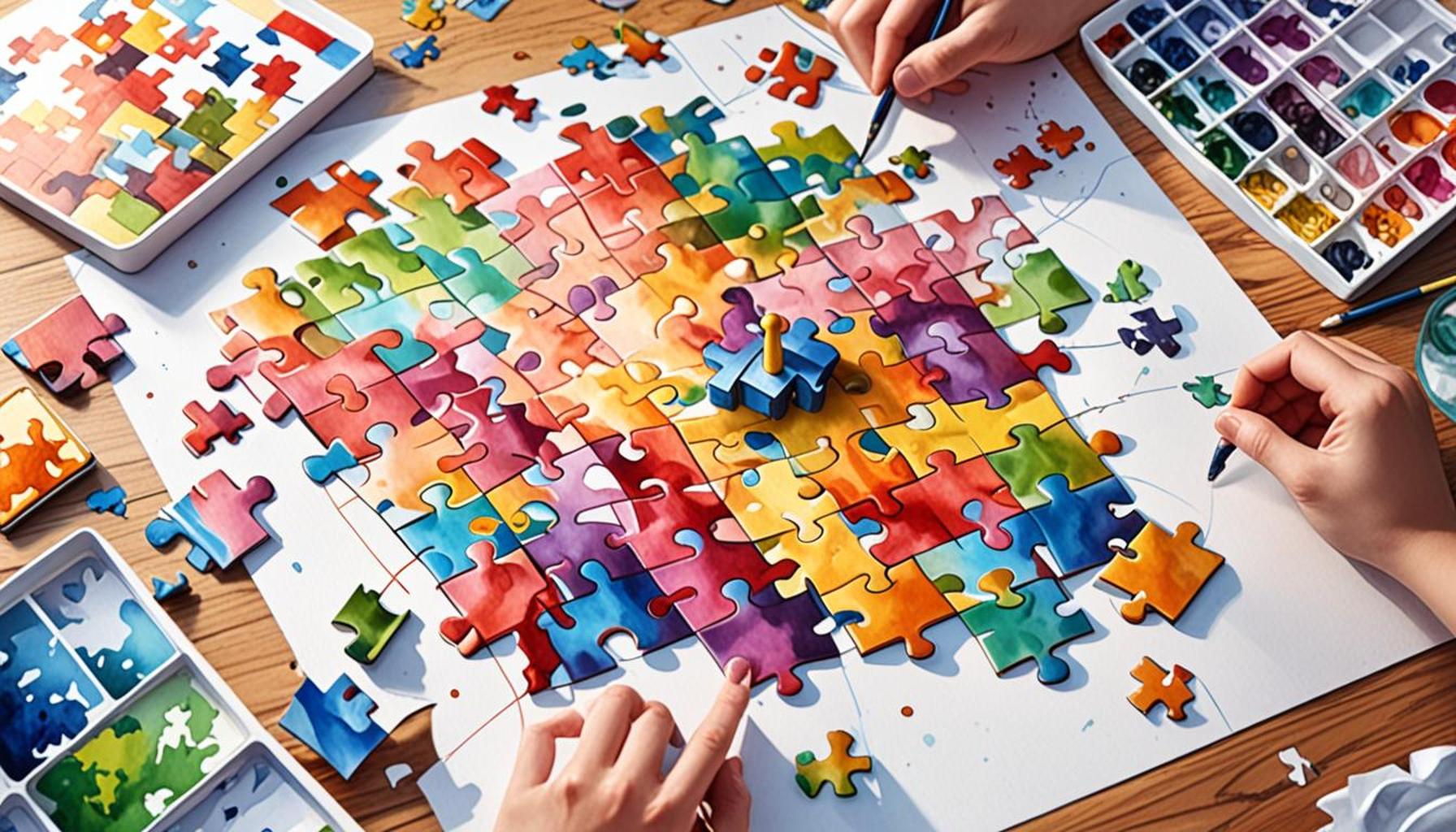
The Transformative Power of Puzzles and Strategy Games
In an era where analytical skills are at a premium, engaging with puzzles and strategy games has emerged as an enjoyable yet potent method to cultivate problem-solving abilities. These activities not only provide entertainment but also serve as effective tools for enhancing cognitive functions critical for personal and professional success.
The World of Puzzles
Puzzles come in various formats, ranging from traditional jigsaw puzzles to complex brain-teasers that challenge the mind. For example, a jigsaw puzzle not only develops spatial reasoning but also patience and focus. Meanwhile, brain-teasers such as riddles or logic puzzles encourage lateral thinking, requiring players to think outside the box. Research published in journals like Psychological Science indicates that regular engagement with puzzles can increase mental flexibility and fluid intelligence, skills vital in navigating modern life.
Understanding Strategy Games
On the other side of the spectrum are strategy games, which involve decision-making and long-term planning. Well-known games like chess and Settlers of Catan demand a keen understanding of opponents and the consequences of each move. Chess, with its centuries-old history, is renowned for improving concentration, patience, and foresight. Players develop an ability to anticipate their opponent’s moves, enhancing strategic thought processes applicable in real-life scenarios, whether in business negotiations or project management. Additionally, games such as Risk challenge players to devise complex battle strategies, further honing their analytical skills.
The Multifaceted Benefits
The benefits of solving puzzles and engaging in strategy games extend far beyond mere entertainment. These activities improve memory retention, enhance creativity, and build resilience—all skills that critically transfer to academic pursuits, workplace environments, and everyday decision-making. A survey by the American Psychological Association found that individuals who regularly engage in these mental exercises report lower stress levels and higher overall life satisfaction. This correlation highlights the mental health benefits associated with problem-solving through play.
Integrating Play into Daily Life
As we navigate an increasingly complex world, integrating these enriching activities into our daily routines can yield tremendous advantages. Whether it’s sparking creativity in a brainstorming session or reinforcing critical thinking skills in the classroom, the lessons learned from puzzles and strategy games are invaluable. Platforms like online puzzle competitions or virtual strategy games offer accessible means to engage with these forms of play, fostering community and collaboration.

In conclusion, the world of problem-solving through play offers a treasure trove of opportunities for those willing to explore it. By embracing the transformative potential of puzzles and strategy games, individuals can better prepare themselves for life’s challenges, honing their decision-making skills while experiencing the joy of discovery. It’s time to unlock your potential and witness the many benefits that come from turning playtime into a powerful learning tool.
EXPLORE MORE: Click here to discover effective puzzle strategies
Unlocking Cognitive Doors: The Role of Puzzles and Strategy Games
Puzzles and strategy games are more than just pastimes; they serve as powerful tools in developing problem-solving skills. Engaging with these activities sharpens cognitive functions and nurtures a creative mindset, making them invaluable for individuals of all ages. With diverse formats and challenges, both puzzles and strategy games invite players to embark on a journey that requires critical thinking, strategic planning, and creativity.
Puzzles: A Gateway to Mental Agility
Puzzles, in their many forms, present unique challenges that significantly enhance cognitive flexibility. Consider the classic crossword puzzle, which demands vocabulary knowledge and deductive reasoning. As players fill in clues, they engage in a mental exercise that boosts their word recall and comprehension skills. Similarly, Sudoku puzzles strengthen logical reasoning and pattern recognition, essential elements in effective problem-solving.
Here are a few types of puzzles that can aid in skill development:
- Logic puzzles: Encourage deductive reasoning and critical analysis.
- Word puzzles: Enhance vocabulary and cognitive recall.
- Math puzzles: Develop numerical problem-solving and analytical skills.
- Jigsaw puzzles: Improve spatial orientation and attention to detail.
Research indicates that individuals who regularly engage with puzzles demonstrate improved mental processing speeds and greater adaptability to new situations. For instance, a study published in the journal Trends in Cognitive Sciences suggests that adults who partake in puzzles can experience cognitive benefits akin to those seen in younger individuals resulting from regular mental exercise.
Strategy Games: Cultivating Strategic Thinking
Moving beyond traditional puzzles, we enter the realm of strategy games, which necessitate high levels of planning and foresight. Games like chess and StarCraft invite players to anticipate future moves not only from themselves but also from their opponents. The multifaceted layers of strategy inherent in these games require players to evaluate various outcomes and adapt their approaches based on shifting circumstances.
Strategic games contribute to the development of essential skills in several ways:
- Critical thinking: Players must assess differing scenarios and employ tactical decision-making.
- Resource management: Many strategy games require players to manage limited resources effectively, honing organizational skills.
- Social interaction: Multiplayer strategy games promote collaboration and negotiation, critical for teamwork in real-world environments.
Moreover, according to Psychology Today, engaging consistently with strategy games can enhance one’s ability to innovate, as these games often incorporate real-time problem-solving under pressure. The skills acquired through these games can translate into real-life situations, such as managing projects or making critical business decisions, where staying ahead of the curve is essential.
In essence, both puzzles and strategy games foster an environment ripe for problem-solving skill development. By embracing these activities, individuals not only indulge in engaging experiences but also cultivate essential cognitive abilities that will serve them well in various aspects of life.
| Category | Advantages |
|---|---|
| Cognitive Development | Engaging with puzzles and strategy games enhances critical thinking and boosts memory retention. |
| Social Interaction | Many games foster communication and teamwork, improving collaborative skills and emotional intelligence. |
Participating in puzzles and strategy games not only enhances cognitive abilities but also promotes strong social bonds. Through games, players learn to navigate complex scenarios by applying logic and reasoning to solve problems. This engagement sharpens problem-solving skills, a crucial aspect in both academic and real-life situations.Moreover, multiplayer games create social environments where players must interact, strategize, and often negotiate with others to achieve common goals. This interaction cultivates essential communication skills as they articulate thoughts and processes effectively. The collaborative nature of these games aids in developing a sense of community and teamwork, which are integral in various professional fields. In exploring these activities, individuals can unlock hidden talents, discover innovative strategies, and even find unique career pathways in arenas like game design, education, and psychology—all stimulated through the enjoyment of play.
DISCOVER MORE: Click here to learn how puzzles enhance creativity
Harnessing the Power of Play: The Educational Benefits of Puzzles and Strategy Games
The journey through puzzles and strategy games is not merely an individual endeavor; it offers profound educational benefits that extend into classrooms and beyond. As educators and parents increasingly recognize the importance of engaging learning experiences, these activities have found their place in educational frameworks, effectively bridging the gap between fun and fundamental skill development.
Integrating Puzzles into Educational Settings
Puzzles can be incredibly versatile teaching tools, suitable for a variety of subjects. For mathematics teachers, logic puzzles provide an interactive approach to complex concepts, transforming rote memorization into an exciting process of discovery. Furthermore, word puzzles can enrich language classes by promoting vocabulary acquisition in a compelling and context-rich manner.
Some notable educational advantages of utilizing puzzles in the classroom include:
- Enhanced Engagement: Puzzles stimulate curiosity and enthusiasm, leading to increased participation from students.
- Critical Thinking Skills: Solving puzzles requires students to analyze problems from multiple angles, fostering a deeper understanding of content.
- Teamwork and Collaboration: Puzzle-solving can be a collective effort, encouraging students to work together and build strong interpersonal skills.
A study published in the journal Educational Psychology demonstrated that students participating in puzzle-based learning activities saw a greater improvement in academic performance compared to those engaged in traditional methods. This approach not only nurtures problem-solving abilities but also creates a stimulating atmosphere conducive to learning.
Strategy Games in Skill Development
Meanwhile, strategy games thrive as tools for developing executive functioning skills, which include planning, task monitoring, and cognitive flexibility. These games, used as educational aids, prove effective for engaging students in subjects like history and economics, where strategic thinking is paramount. For instance, games such as Civilization allow players to simulate governance, resource management, and diplomacy, thereby providing practical scenarios that reinforce curriculum objectives.
Additional benefits of incorporating strategy games into learning environments include:
- Decision-Making Under Pressure: Players learn to make quick cognitive assessments and adjustments based on dynamic gaming environments.
- Analytical Skills: Strategy games encourage the evaluation of various outcomes, refining learners’ ability to craft and adjust their approaches.
- Real-World Application: The skills acquired through these games—such as negotiation and conflict resolution—are transferable to real-life situations and careers.
Educational institutions across the United States are beginning to embrace this methodology, with many schools incorporating board games and digital strategy games into their curricula. Research conducted by the American Educational Research Association found that students who played strategy games scored 17% higher on standardized tests measuring critical thinking compared to their peers who engaged in non-gaming activities.
The impact of puzzles and strategy games extends far beyond personal challenge and enjoyment; they create a transformative learning experience that enhances problem-solving skills and prepares learners for the complexities of the modern world. As more educators adopt these methods, it’s clear that play, indeed, is not just child’s play, but a foundational component of effective teaching and cognitive development.
DISCOVER MORE: Click here to unleash your child’s creativity
Conclusion: Embracing the Learning Potential of Puzzles and Strategy Games
As we navigate an increasingly complex and fast-paced world, the necessity for enhanced problem-solving skills has never been more critical. The integration of puzzles and strategy games into educational frameworks serves not only as a catalyst for engaging learning but also as a powerful means of developing essential cognitive abilities. From honing critical thinking and enhancing collaboration to fostering decision-making under pressure, these playful activities equip students with skills that are invaluable in both academic and real-world settings.
Moreover, studies have repeatedly shown the positive correlation between gameplay and improved performance in standardized testing and critical thinking assessments. As educators in the United States begin to embrace educational methodologies that prioritize interactive learning, puzzles and strategy games are emerging as transformative tools that offer a compelling blend of enjoyment and education.
Looking ahead, the continued exploration of these engaging learning strategies can revolutionize traditional educational practices. By promoting a culture of play within schools and homes, we cultivate not only smarter students but also more adaptive thinkers capable of tackling future challenges. Therefore, let us champion the integration of puzzles and strategy games into our learning environments, recognizing their profound role in shaping resilient problem solvers for tomorrow.
Related posts:
The Psychology behind Problem Solving in Logic Games
The Impact of Mind Mapping Techniques on Solving Complex Puzzles
The Effect of Chess on Developing Long-Term Strategic Problem-Solving Skills
Using Online Puzzle Platforms to Cultivate Group Problem-Solving Dynamics
How Mind Games Foster Creative Thinking and Innovative Solutions
The Role of Non-Traditional Puzzles in Enhancing Lateral Thinking Skills

Linda Carter is a writer and puzzle expert specializing in mind games, brain teasers, and cognitive challenges. With extensive experience helping individuals enhance their problem-solving skills and think critically, Linda shares her knowledge on our platform. Her goal is to empower readers with practical advice, engaging puzzles, and strategies to sharpen their minds and achieve success in the captivating world of mind games and puzzles.