The Effect of Chess on Developing Long-Term Strategic Problem-Solving Skills
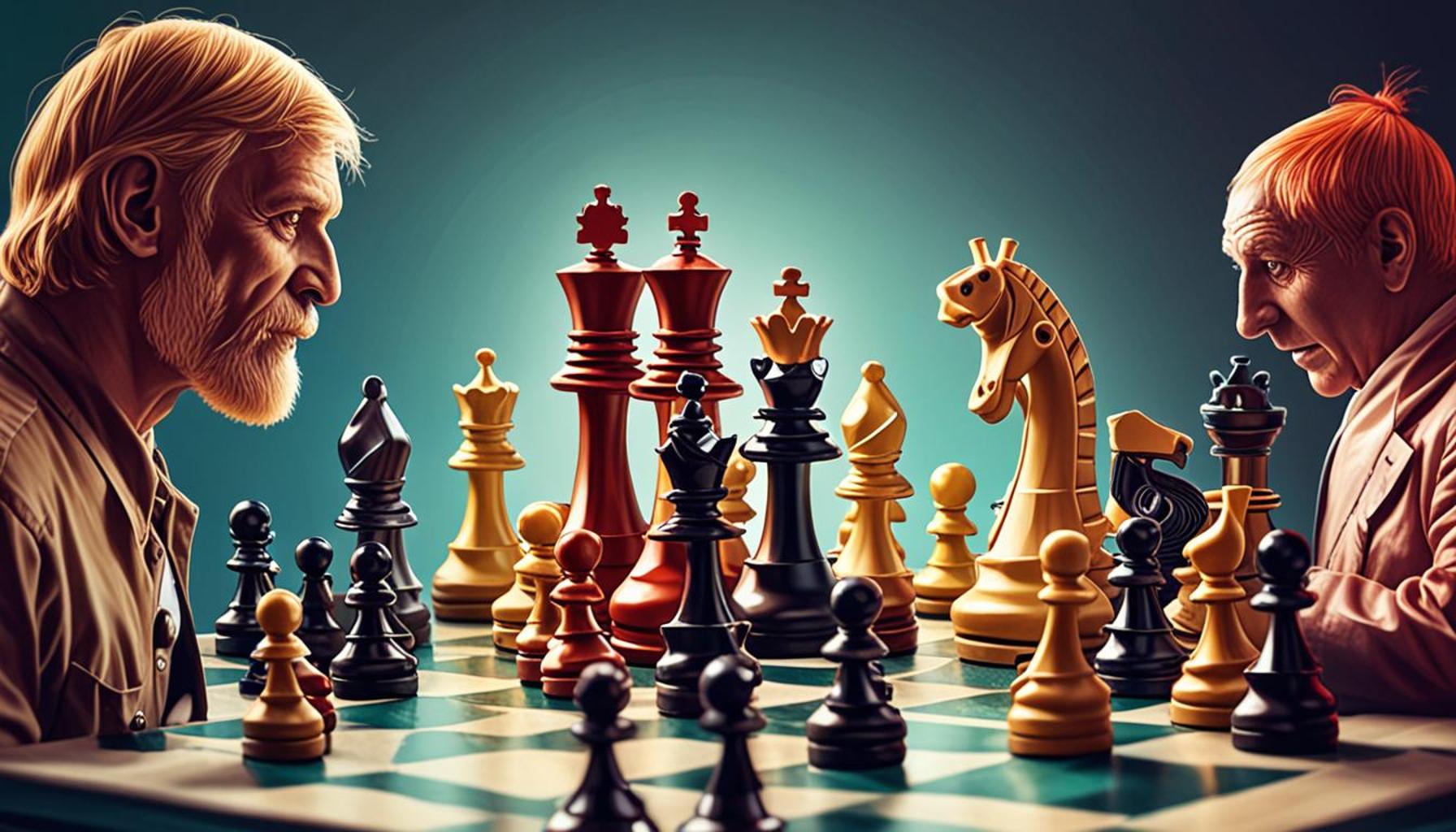
Unlocking the Mind: Chess as a Tool for Strategic Development
Chess is more than just a game; it is a powerful tool that enhances the way we approach problem-solving. From classrooms to boardrooms, the lessons learned on the chessboard can translate into real-world applications. Understanding the impact of chess on long-term strategic thinking is essential for anyone looking to sharpen their cognitive abilities.
Research indicates that playing chess can significantly influence cognitive development in areas such as:
- Critical Thinking: Engaging with complex positions on the chessboard encourages players to analyze situations deeply, fostering enhanced reasoning skills. For example, when faced with a tricky endgame scenario, players must evaluate not only their own options but also consider multiple potential moves from their opponents that could alter the course of the game.
- Strategic Planning: Chess players learn the importance of anticipating opponents’ moves and planning several steps ahead. A well-executed opening strategy often lays the groundwork for success later in the game. This foresight can easily translate to a business setting, where anticipating market shifts can lead to innovative strategies and competitive advantages.
- Decision-Making: The mechanics of chess instill the ability to evaluate various outcomes and make effective choices. Each game presents a multitude of decisions, from simple ones like piece movement to more complex ideas such as sacrificing a piece for a more significant advantage. This mirrors real-life scenarios where weighing risks and benefits is crucial.
Moreover, chess teaches patience and discipline, which are essential for nurturing long-term strategies. Numerous studies show that young players often develop superior problem-solving skills, proving beneficial in both academic and professional contexts. For instance, students who participate in chess clubs often exhibit improved performance in mathematics and reading comprehension, highlighting its educational value.
Each move on the board encourages a mindset geared towards evaluating risks and rewards, a practice that extends far beyond the confines of the game itself. Players learn that sometimes the best defense is to sacrifice a piece today for a greater advantage tomorrow — a lesson applicable to long-term investments or strategic planning in careers.
As we explore the effects of chess on strategic thinking, the game emerges as a formidable tool in empowering individuals from various backgrounds. In a world increasingly driven by complexity — whether it be in technology, finance, or social issues — the ability to think several steps ahead is invaluable. This makes chess training not only an exercise in entertainment but a compelling component of cognitive improvement that can serve anyone, from budding entrepreneurs to career professionals.

In essence, the skills developed through chess resonate across numerous fields and can transform the way we approach challenges in our day-to-day lives. As more people recognize these benefits, chess may well become an integral part of educational curricula and professional development programs across the United States and beyond.
DISCOVER MORE: Click here to uncover the secrets of critical thinking through puzzles
The Cognitive Benefits of Chess: A Deep Dive
Engaging with chess not only serves as a form of entertainment; it actively cultivates a range of cognitive abilities that enhance long-term strategic problem-solving skills. Studies show that chess players often exhibit greater proficiency in areas such as pattern recognition, analytical reasoning, and future planning. These skills are pivotal when navigating complex problems, whether in academic settings or the workplace.
At its core, chess is a game of strategy, requiring a player to think critically about both their own moves and their opponent’s potential responses. The need to anticipate various outcomes mirrors real-life challenges faced in diverse fields. For example, a business leader might analyze market trends in a manner similar to evaluating different lines of attack in a chess game. This interconnectedness between chess tactics and real-world applications highlights the game’s profound impact on strategic problem-solving.
Some specific cognitive skills honed through chess include:
- Improved Concentration: Chess demands sustained attention. Players must stay focused throughout the game, which resembles the concentration required in long-term projects or important negotiations.
- Enhanced Memory: Remembering previous games, specific openings, and known strategies can significantly sharpen one’s memory. These memory skills are transferable to other areas such as studying for exams or retaining crucial information in professional settings.
- Increased Creativity: Developing new tactics forces players to think outside the box. This creative thinking is vital when approaching unfamiliar problems or brainstorming innovative solutions in various industries.
Research backs these claims, with studies indicating that children who play chess tend to develop improved academic skills compared to their peers. A landmark study conducted by the University of Maryland found that students who participated in chess programs showed notable improvement in mathematics and reading scores. This suggests that the thought processes encouraged by chess — such as logical reasoning and critical evaluation — can have tangible educational benefits.
Beyond cognitive skills, chess also fosters emotional intelligence and resilience. Players learn to cope with setbacks, as losing a game is an integral part of the learning process. This perseverance can translate into a stronger work ethic and a more profound ability to handle stress in high-stakes situations, whether in corporate environments or personal endeavors. Understanding that every move counts encourages individuals to make decisions that reflect foresight and strategic depth.
As chess continues to gain recognition for its cognitive benefits, many educational institutions and corporate training programs are incorporating chess into their curricula. By understanding the connection between chess and strategic problem-solving, it becomes evident that this classic game is more than a pastime; it is an essential tool for cultivating the mindset necessary to navigate an increasingly complex world.
| Category | Details |
|---|---|
| Cognitive Development | Chess enhances critical thinking skills, promoting higher-order reasoning. |
| Long-term Planning | Players learn to formulate strategies that span several moves ahead. |
The game of chess, with its rich history and complex strategies, serves as an extraordinary medium for enhancing cognitive development. By engaging in chess, players cultivate critical thinking skills, which are pivotal in decision-making processes. Understanding the myriad outcomes of various moves pushes players to analyze not only their strategies but also anticipate their opponents’ responses. This mental exercise fosters a mindset adept at dissecting problems, a valuable asset in various life scenarios.Furthermore, chess teaches the art of long-term planning. As players learn to devise competitive strategies, they become proficient in predicting the impact of their current decisions on future possibilities. Each game simulates real-life situations, where foresight is crucial. Such strategic skills acquired from the chessboard translate into tangible benefits in professional and personal undertakings, laying a solid foundation for effective problem-solving.
DISCOVER MORE: Click here to dive deeper
The Role of Chess in Enhancing Decision-Making Skills
While the cognitive benefits of chess are woefully underappreciated, one of the most significant effects lies in its ability to enhance decision-making skills. Each chess move is a calculated decision that can pivotally change the course of the game, thereby training players to weigh the pros and cons of each choice they make. This level of analysis is invaluable in sectors such as business, healthcare, and law, where the consequences of decisions can have lasting impacts.
Consider the realm of business strategy. Just as a chess player evaluates threats and opportunities based on their opponent’s strategy, business leaders engage in a similar process when assessing market competition. Research from the American Psychological Association has shown that engaging in strategic games like chess improves an individual’s ability to analyze complex scenarios and forecast possible outcomes accurately. In fast-paced environments, the capability to make swift yet strategic choices is paramount for success.
Furthermore, chess promotes the development of a systematic approach to problem-solving. Each game teaches players to decompose challenges into smaller, more manageable parts. This methodological thinking aligns effortlessly with project management techniques applied in industries such as software development or engineering, where granular attention to detail can lead to innovative solutions. A study by the Institute for Educational Development indicated that chess-savvy students are more adept at breaking down problems, ensuring a thorough analysis of all potential solutions before implementation.
- Encouraging Long-Term Thinking: Chess players often strategize multiple moves ahead, adopting a mindset that is crucial for long-term planning in any professional field. A project manager, akin to a chess player, must anticipate obstacles and devise contingency plans to meet deadlines.
- Supporting Risk Analysis: The game teaches players to assess the risks associated with each move, mirroring the risk assessment conducted in investment decisions or the healthcare sector, where professionals must carefully consider treatment options.
- Instilling Accountability: Every chess piece on the board has a role, much like team members in a business setting. As players gain awareness of their moves’ consequences, they develop a sense of accountability that they can carry into workplace interactions.
Notably, organizations are increasingly focusing on developing employees’ strategic abilities through programs centered on chess. Some companies have introduced chess clubs, leveraging the game as a training tool to foster strategic thinking and a collaborative team environment. The widespread adoption of chess in corporate training highlights an emerging trend towards recognizing its intrinsic value in cultivating long-term strategic problem-solving skills. The impact is observable in improved performance metrics and workplace morale, aligning with well-documented findings that link engaging activities with enhanced productivity.
Additionally, schools across the United States are integrating chess curricula into their educational frameworks. Programs aimed at teaching underprivileged youth life skills through chess not only improve academic performance but cultivate a mindset geared towards critical thinking and conflict resolution. The Chess in Schools initiative is an excellent example of how educational reforms can open pathways that extend far beyond mere game play, equipping future generations with the problem-solving skills necessary for success in an unpredictable world.
The intricate relationship between chess and strategic decision-making is undeniable, reinforcing the value of this timeless game. Through its mechanisms, players develop a keen sense of the multifaceted nature of challenges and the importance of adopting a broad perspective, ensuring they remain vigilant in their pursuit of solutions.
DISCOVER MORE: Click here to dive deeper
Conclusion: Unlocking Strategic Potential through Chess
In conclusion, the exploration of the effect of chess on developing long-term strategic problem-solving skills reveals a profound interplay between this ancient game and modern cognitive development. As evidenced throughout various sectors, chess transcends mere recreational play; it serves as a dynamic learning tool that fosters critical thinking, enhanced decision-making, and effective risk assessment. Through methodical gameplay, individuals are trained to navigate complex challenges, utilizing a systematic approach that is essential in today’s competitive professional landscape.
The incorporation of chess into educational frameworks and corporate training modules emphasizes its invaluable role in shaping the leaders of tomorrow. Programs that engage youth, particularly those in underprivileged communities, not only bridge knowledge gaps but imbue participants with essential skills such as accountability and strategic foresight. Moreover, organizations that encourage chess as a team-building activity recognize the benefits of collaborative problem-solving in inspiring workplace innovation.
As we witness the effects of chess extending beyond the confines of the game board, it becomes evident that adopting such strategic frameworks can provide long-term advantages not just in personal and professional contexts but also in navigating life’s unpredictability. Thus, chess stands not only as a game of intellect but as a crucial scaffold in developing individuals capable of tackling multifaceted problems with confidence and creativity.
As interest in chess grows across the United States and beyond, it opens up new avenues for exploration, suggesting that fostering such strategic skills through chess could be the key to unlocking the potential of future generations. In an era marked by complexity and rapid change, the lessons learned on the chessboard are indeed timeless.
Related posts:
Boost Problem-Solving Skills with Logic Games Top Benefits Explained
Exploring the Use of Virtual Reality Puzzles in Developing Real-World Problem-Solving Skills
How Mind Games Foster Creative Thinking and Innovative Solutions
How Pattern Recognition in Mind Games Can Improve Everyday Problem Solving
The Psychological Benefits of Engaging in Complex Problem-Solving Games
The Influence of Strategy Games on Decision-Making Abilities in Real-Life Problem Solving

Linda Carter is a writer and puzzle expert specializing in mind games, brain teasers, and cognitive challenges. With extensive experience helping individuals enhance their problem-solving skills and think critically, Linda shares her knowledge on our platform. Her goal is to empower readers with practical advice, engaging puzzles, and strategies to sharpen their minds and achieve success in the captivating world of mind games and puzzles.