The connection between Sudoku practice and the increase in concentration capacity in adolescents
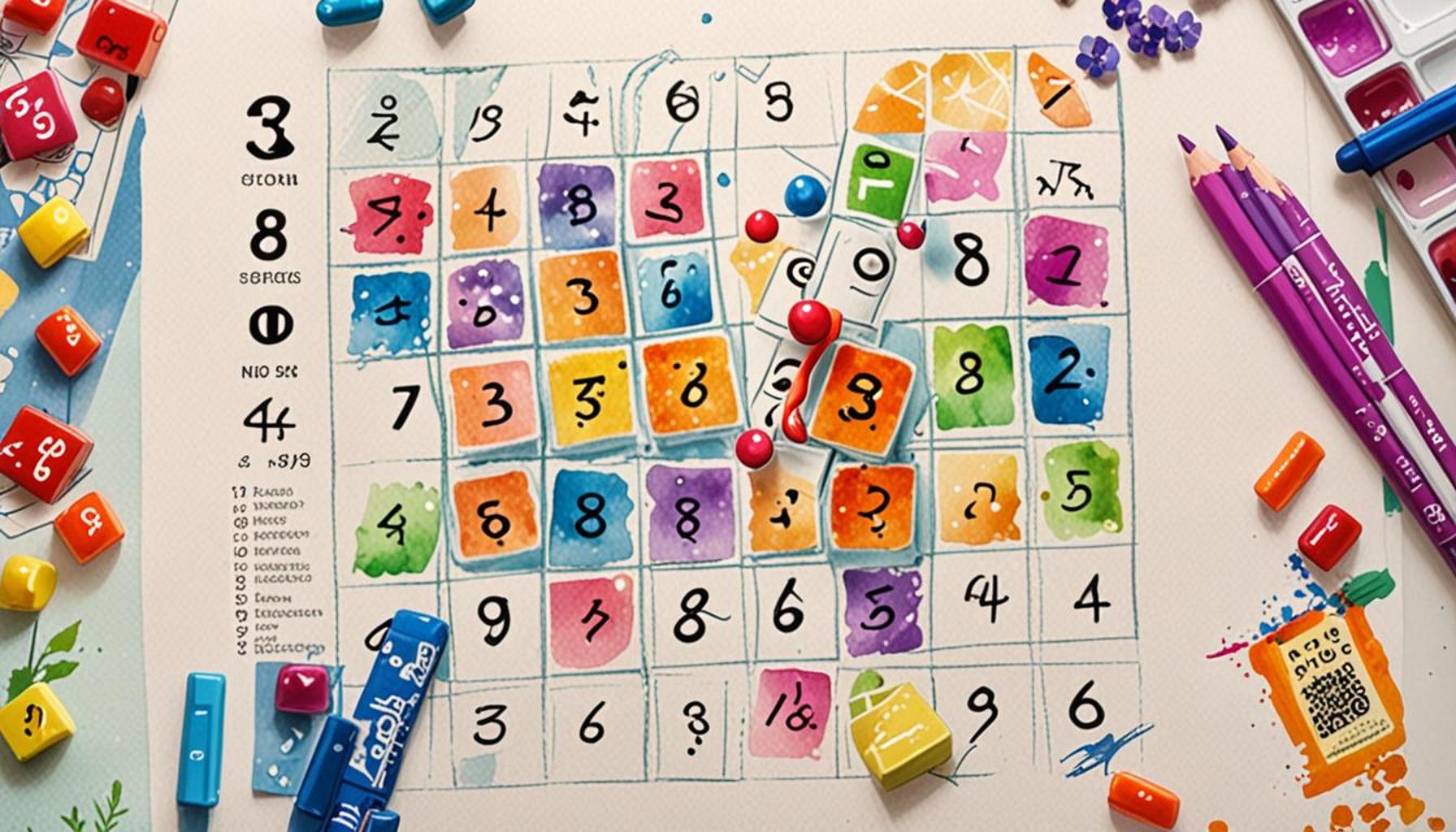
The Cognitive Benefits of Engaging in Sudoku
In the midst of an information-drenched environment, adolescents often grapple with maintaining their concentration skills. The incessant notifications from smartphones and the allure of social media create an ecosystem ripe for distraction. This reality has prompted educators and parents to seek effective strategies to foster focus and mental resilience among teenagers. One remarkably accessible yet profound method gaining traction is the practice of regularly engaging in activities like Sudoku.
Sudoku, renowned as a number-placement puzzle that hinges on logic rather than arithmetic, is not merely a pastime. The practice of solving Sudoku puzzles can serve as a formidable tool for enhancing cognitive skills. Engaging with these puzzles each day can yield numerous significant benefits for teenagers, including:
- Improved problem-solving abilities – Each Sudoku puzzle is a miniature world of logic, demanding critical thinking and analytical evaluation. As teens learn to navigate through the various configurations of numbers, they sharpen their ability to identify patterns and deduce solutions.
- Heightened attention span – Focusing intently on a Sudoku puzzle can cultivate the brain’s capacity to concentrate over extended periods. This exercise in attention not only develops cognitive endurance but also translates to improved performance in academic endeavors and daily tasks.
- Stress relief – For adolescents, who frequently encounter academic pressures and social anxieties, engaging in Sudoku provides a therapeutic escape. The soothing repetition of filling in numbers can reduce anxiety while promoting mindfulness, offering a mental break from outside stressors.
Recent studies emphasize the potential cognitive uplift that regular engagement in puzzles like Sudoku can confer. For instance, researchers have found a correlation between routine puzzle-solving and improved memory retention, reaction times, and overall mental agility. As adolescents traverse the complexities of their educational journeys, incorporating Sudoku into their regular routines may prove transformative in developing their concentration capacity.
Not only does Sudoku foster these essential cognitive skills, but it also nurtures an appreciation for tranquility amidst chaos. Given the competitive academic landscape in the United States, coupled with various extracurricular demands, finding simple yet effective ways to channel stress and improve focus is invaluable. As parents and educators explore ways to equip the next generation with necessary life skills, encouraging the practice of puzzles like Sudoku can emerge as a strategic advantage. This intersection of leisure and cognitive enhancement opens up a conversation about the roles of play in fostering mental well-being, urging further exploration into how engaging with such activities can prepare adolescents for more focused lives ahead.
DISCOVER MORE: Click here to dive deeper
Unlocking Concentration: How Sudoku Enhances Focus in Adolescents
The traditional game of Sudoku, comprised of a 9×9 grid of numbers, is more than just a recreational activity; it is a powerful cognitive tool that has garnered attention for its capacity to bolster concentration skills in adolescents. As the digital age progresses, distractions seem to multiply, making it imperative for young individuals to cultivate focused attention. Emerging research suggests that regular engagement with Sudoku can serve as an antidote to the fragmented attention spans prevalent among today’s youth.
One of the most compelling aspects of Sudoku is its innate structure, which demands a sequential approach to problem-solving. Unlike many digital distractions that often lead to shallow engagement, Sudoku encourages deep focus. Each puzzle requires players to concentrate on adding numbers to specific cells while ensuring they adhere to the fundamental rules of the game. This process stimulates several cognitive functions, particularly attention control and working memory, both vital components of concentration.
The Role of Regular Practice
To fully understand how Sudoku fosters increased concentration, it is crucial to consider the benefits of regular practice. Just as athletes enhance physical performance through consistent training, adolescents can improve their cognitive skills through the habitual solving of these puzzles. Engaging with Sudoku encourages:
- Enhanced Working Memory: Solving a Sudoku puzzle requires holding multiple pieces of information in mind at once, thus training the brain to retain and manipulate data efficiently.
- Pattern Recognition: As young solvers cycle through numerous puzzles, they cultivate the ability to quickly identify patterns, which is essential for expediting the problem-solving process.
- Increased Mental Flexibility: Sudoku challenges players to reconsider their strategies when encountering obstacles, enhancing their ability to adapt and think critically under pressure.
Research from cognitive psychology indicates that engaging in activities promoting sustained attention, such as puzzle-solving, can significantly improve mental endurance. For adolescents battling the dual pressures of academics and social dynamics, cultivating improved concentration through fun yet challenging activities like Sudoku can be invaluable. Through these exercises, the neural pathways involved in attention and processing become more efficient, paving the way for enhanced performance in various aspects of life, from school to extracurricular engagements.
Moreover, the rewards of successfully completing a Sudoku puzzle can create a sense of accomplishment, further reinforcing the practice. Adolescents may develop an intrinsic motivation for concentration and persistence as they tackle more complex puzzles over time—a vital skill set that extends beyond the grid and into everyday challenges.
In this increasingly distractible world, incorporating Sudoku into the daily routine emerges not just as a form of entertainment but as a fundamental tool for cognitive development. As adolescents sharpen their concentration skills through consistent engagement with Sudoku, they not only enhance their mental agility but also prepare themselves for a future that demands greater focus and resilience.
| Advantage | Description |
|---|---|
| Enhanced Problem-Solving Skills | Sudoku encourages adolescents to think critically and develop strategies for finding solutions, improving overall cognitive processes. |
| Improved Memory Retention | The practice of recalling numbers and patterns in Sudoku helps enhance memory capacity, which is crucial for academic performance. |
Engagement in logic-based games such as Sudoku may significantly contribute to adolescents’ overall concentration capacity. By regularly solving these puzzles, young individuals are exposed to challenges that require sustained focus and attention to detail. This process not only keeps their minds agile but also prepares them for similar cognitive demands in their educational pursuits.Furthermore, research indicates that the rhythmic process of filling out Sudoku grids can lead to enhanced executive function, a critical aspect of mental processing associated with planning, flexibility, and working memory. Ultimately, these skills are foundational for academic success as well as in off-classroom activities. As adolescents navigate through complex puzzles, they cultivate a sense of persistence and achievement, further enriching their ability to concentrate and engage in various tasks. Such cognitive training through enjoyable means might just be the key to unlocking their full potential.
DISCOVER MORE: Click here to learn how brain games boost memory retention
Sudoku as a Gateway to Improved Cognitive Functioning
As adolescents embark on their journey towards academic independence, the development of crucial cognitive skills becomes undeniably important. Integrating activities that promote concentration can lead to significant academic and personal growth, and here, Sudoku shines as a remarkable candidate. Beyond merely enhancing concentration capacity, regular sudoku practice can lead to cognitive benefits that resonate throughout various domains of life.
Cognitive Benefits Beyond the Grid
The influence of Sudoku extends beyond the confines of number puzzles. A study published in the journal Cognitive Development found that adolescents who regularly practice Sudoku exhibit noticeable improvements in problem-solving skills and overall cognitive flexibility. The structured yet challenging nature of Sudoku nurtures an atmosphere where adolescents can thrive, engaging in higher-order thinking and refined reasoning skills. This correlational relationship is particularly crucial as adolescents prepare for increasingly complex academic demands.
Moreover, Sudoku contributes to the enhancement of executive functions, which are critical cognitive processes that govern tasks such as planning, decision-making, and the ability to manage multiple threads of information simultaneously. Executive functions are often tested in the academic realm; hence, honing these through enjoyable activities like Sudoku can result in positive academic consequences. Research in Educational Psychology argues that when students effectively manage their attention through such strategic games, they are more prepared to tackle academic challenges head-on.
Social Connections and Collective Problem Solving
Another intriguing aspect of Sudoku is its adaptability to social settings. Group Sudoku solving can foster a collaborative environment where adolescents learn to communicate effectively, share insights, and develop teamwork skills. For instance, high school clubs and after-school programs that incorporate Sudoku in their activities can serve as engaging platforms for social interaction, with members collectively working through puzzles. This camaraderie not only enhances their concentration but builds lasting friendships and mutual support networks. The combination of focus and teamwork creates an enriching learning environment that encourages adolescents to seek help and give feedback, enhancing their problem-solving capabilities through social guidance.
Digital vs. Traditional Sudoku
As technology permeates every aspect of daily life, the convenience of digital Sudoku applications is alluring to many adolescents. However, it is essential to highlight the potential differences in cognitive engagement between traditional paper-based Sudoku and its digital counterparts. Studies have indicated that solving puzzles on paper tends to demand greater concentration, allowing players to engage with the entire puzzle without the distractions of notifications and advertisements found in app-based versions. Encouraging adolescents to practice paper-based Sudoku could yield more substantial improvements in their concentration capacities.
Furthermore, incorporating elements such as time constraints or problem-solving races in group settings can add an exciting twist to their Sudoku practice. This competitive edge can foster greater engagement, motivating adolescents to maintain their focus while solving puzzles under pressure, which can translate to improved performance in academic situations, particularly during exams or time-sensitive projects.
The compelling intersection of casual gaming and cognitive enhancement is a harbinger of what Sudoku offers to adolescents. By committing to regular practice, young individuals can reinforce their mental fortitude and cultivate invaluable skills that promote sustained concentration and problem-solving acumen, essential in today’s fast-paced world.
DIVE DEEPER: Click here to enhance your problem-solving skills
Final Reflections on Sudoku’s Impact on Adolescent Concentration
In conclusion, the relationship between Sudoku practice and the enhancement of concentration capacity in adolescents is both compelling and multidimensional. This engaging puzzle form not only challenges young minds to sharpen their problem-solving skills but also nurtures critical cognitive functions essential for academic success. As evidenced by various studies, consistent Sudoku practice leads to marked improvements in executive functions, such as attention management and decision-making—skills that play a crucial role in navigating the complexities of higher education.
The social aspects of Sudoku also cannot be overlooked, as they provide adolescents with opportunities to collaborate and communicate effectively. By participating in group settings, they foster relationships and build support networks that bolster their collective problem-solving skills while reinforcing their ability to concentrate in a group dynamic. This dual benefit emphasizes the importance of both individual and collaborative learning in enhancing cognitive capacities.
Furthermore, the ongoing debate between digital and traditional Sudoku formats reveals essential considerations for optimal cognitive engagement. Encouraging young learners to delve into paper-based puzzles could enhance focus and reduce distractions, paving the way for better concentration outcomes.
As we look towards the future, it becomes increasingly critical for educators, parents, and policymakers to recognize the potential of Sudoku as a valuable educational tool. By integrating this enjoyable activity into the lives of adolescents, we can help foster essential cognitive skills that will serve them well into adulthood. In a world where attention spans are dwindling, the humble Sudoku puzzle stands ready to help bolster concentration and equip the next generation for success.
Related posts:
The relationship between strategic board games and mental agility in children
The relationship between crossword puzzle practice and the prevention of cognitive decline in older ...
The role of strategy games in promoting logical thinking in young adults
How the gamification of cognitive challenges can increase motivation in educational environments
The relationship between mathematical puzzles and the development of critical thinking in youth
The influence of puzzles on the improvement of cognitive skills in adults

Linda Carter is a writer and puzzle expert specializing in mind games, brain teasers, and cognitive challenges. With extensive experience helping individuals enhance their problem-solving skills and think critically, Linda shares her knowledge on our platform. Her goal is to empower readers with practical advice, engaging puzzles, and strategies to sharpen their minds and achieve success in the captivating world of mind games and puzzles.