How the gamification of cognitive challenges can increase motivation in educational environments
Understanding Gamification in Education
In the modern classroom, where attentiveness can often be a challenge, motivation becomes a pivotal factor in ensuring students remain engaged. Traditional educational methods, while effective to a degree, may not fully resonate with a generation raised in a digital age characterized by instant gratification and interactive entertainment. Gamification, the process of integrating game-like elements into educational contexts, has surfaced as an innovative solution to increase motivation and foster a more engaging learning environment.
The Mechanics of Gamification
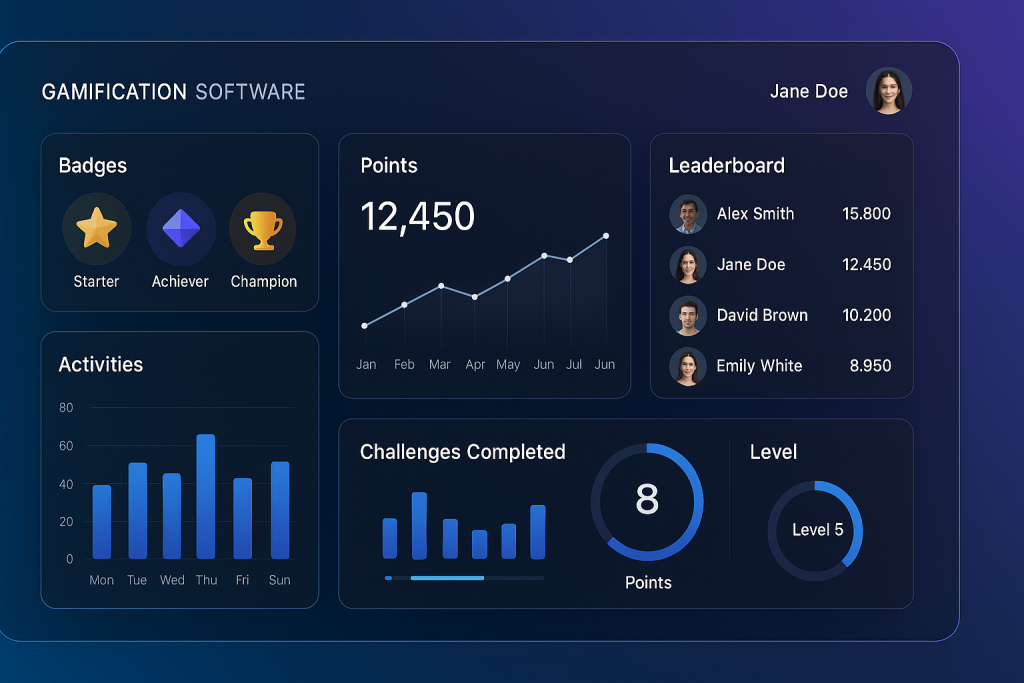
At its core, gamification leverages familiar mechanics from games—such as scoring systems, levels, and rewards—to motivate students. One significant aspect is the creation of increased engagement. Elements such as points, badges, and leaderboards instill a sense of competition among students, stimulating participation. For example, platforms like Classcraft reward students with experience points for completing assignments, which can lead to students striving for more than just passing grades.
Another essential feature is the provision of immediate feedback. In traditional setups, students might wait days or even weeks for assessments to be graded and returned. In contrast, gamified systems often allow for real-time feedback, helping students to immediately understand their strengths and areas needing improvement. This swift recognition can be pivotal in maintaining student interest and providing a sense of accomplishment.
Collaboration and Community
Gamification also enhances classroom dynamics by promoting collaboration. Group challenges can transform learning into a social endeavor, where students work together to solve problems, achieve goals, and celebrate successes. This collaborative spirit mirrors many aspects of popular multiplayer games, where teamwork is essential for victory. For instance, a math competition where teams can earn points for correct answers fosters connections among peers, encouraging a supportive learning environment.
Impact and Research Findings
The efficacy of gamification in education is becoming increasingly evident, with various studies demonstrating its positive impact. For instance, research conducted by the Pew Research Center showed that an impressive 74% of educators observed heightened engagement levels when gamification strategies were employed. Furthermore, gamified classrooms reported significant improvements in students’ retention rates and overall performance. Consider institutions like the University of Michigan, where gamified learning approaches have contributed to increased enrollment and student satisfaction.
As educators across the United States continue to embrace innovative teaching methods, the blend of cognitive challenges and gamification holds immense potential. By fostering a playful learning atmosphere, instructors not only enhance academic achievement but also ignite a passion for learning that can last a lifetime. With tools and techniques becoming more accessible, opportunities abound for educators to creatively motivate their students, transforming the educational landscape into an engaging adventure.
DISCOVER MORE: Click here to dive deeper
Engagement through Cognitive Challenges
One of the most intriguing aspects of gamification is its ability to transform cognitive challenges into engaging experiences that encourage students to think critically while having fun. By presenting academic tasks in a game-like context, educators can create an environment where challenges are not just hurdles, but opportunities for exploration and mastery. This shift in perspective can significantly enhance motivation among learners.
Gamified cognitive challenges, such as solving puzzles or participating in quests, cultivate a genuine interest in the subject matter. Students are more likely to embrace difficult tasks when they are framed as adventures, where every problem solved leads to a reward or unlocks a new level of knowledge. For instance, platforms like Kahoot! and Quizizz allow educators to create vibrant quizzes that engage students while promoting healthy competition.
Key Elements of Gamified Cognitive Challenges
- Storytelling: Integrating a narrative into the learning process captivates students’ imaginations. Story-driven tasks enhance emotional investment, prompting students to progress through challenges to advance the plot.
- Goals and Milestones: Clearly defined short-term and long-term objectives guide students along their learning journey. Each milestone achieved reinforces their sense of accomplishment and keeps the momentum going.
- Levels and Progression: Analogous to video games, establishing levels of difficulty allows students to take ownership of their learning. As they advance, they face progressively harder challenges, which can lead to a greater depth of understanding.
- Rewards and Incentives: The introduction of rewards triggers a sense of achievement. Whether it’s earning badges, unlocking new content, or receiving tangible prizes, recognition plays a vital role in maintaining student engagement.
- Choice and Autonomy: Allowing students to choose their paths fosters independence. When learners have the agency to select challenges that interest them, they also feel more invested in the outcomes.
Research supports that when cognitive challenges are gamified, they create an environment that not only propels academic performance but also instills a lifelong curiosity. A report from the International Society for Technology in Education highlighted that students engaged in gamified learning tend to report heightened levels of enthusiasm and retention. This evidence suggests that the playful incorporation of challenges can fundamentally improve how students perceive their educational experiences.
In today’s diverse classrooms, the need for tailored educational approaches is apparent. By infusing gamification into cognitive challenges, educators can appeal to a variety of learning styles and preferences, ensuring that every student has the opportunity to thrive. As this method gains traction, it offers a promising pathway toward greater student engagement and success in educational environments across the United States.
| Gamification Aspect | Impact on Motivation |
|---|---|
| Points & Levels | Provides a clear pathway to achievement through measurable progress, encouraging students to engage more actively. |
| Badges & Rewards | Recognition through digital badges boosts self-esteem and promotes a sense of accomplishment, further driving student engagement. |
Gamification in cognitive challenges not only enhances learning experiences but also modifies students’ attitudes towards education. By incorporating elements like points, levels, and rewards, educators can create a competitive yet supportive environment that invites participation. Studies indicate that when students feel a sense of progress through gamified structures, their intrinsic motivation and willingness to tackle challenges significantly improve. Furthermore, implementing collaboration features within gamified platforms strengthens social connections. Peer interaction fosters a community that celebrates successes together, making individual achievements feel rewarding. As students navigate through various challenges, the collaborative aspects of gamification stimulate their desire to learn from others, inherently increasing motivation in educational settings. The integration of leaderboards can serve to create healthy competition, inspiring students to strive for improvement while also providing opportunities for peer learning. Thus, with every level they conquer, they gain not just knowledge, but also a sense of belonging and achievement, which is crucial for fostering lasting educational engagement.
DISCOVER MORE: Click here to learn about the benefits of logic games
Building a Community through Collaboration
The gamification of cognitive challenges not only enhances individual motivation but also fosters a sense of community among students. In traditional educational settings, students often work in isolation, tackling problems alone. However, by introducing collaborative gamified challenges, educators can create an atmosphere where teamwork and communication thrive. This shift encourages peers to support one another, ultimately enhancing their learning experiences.
Team-based games or challenges can be designed to require cooperation, where each student’s unique strengths contribute to the collective success. For example, educators might implement a scavenger hunt that necessitates group problem-solving, requiring students to pool their intellect and creativity to uncover solutions. This collaborative engagement promotes social interactions, diminishing feelings of competition and instead nurturing bonds of friendship based on shared achievement.
The Role of Competition in Motivation
While collaboration is crucial, a healthy level of competition can also ignite motivation among students. Gamification platforms often include leaderboard features, allowing students to see their ranking in relation to their peers. This aspect can serve as a powerful motivational tool, driving students to improve their performance and strive for higher goals. Research indicates that when students perceive their efforts as part of a friendly competition, they are more likely to engage deeply with the material.
Furthermore, competition can be tailored to account for varying skill levels, ensuring that every student feels challenged yet capable. For instance, assigning different point values to tasks based on difficulty allows all students to compete in a more equitable environment. This approach mitigates discouragement among students who may struggle with certain subjects while keeping them motivated to participate in their learning journey.
Personalization and Gamification
Another crucial facet of gamification is the opportunity for personalization in cognitive challenges. Every student learns differently, and by incorporating gamified tasks that cater to diverse learning styles, educators can enhance engagement. For example, using adaptive learning technologies, platforms can tailor quizzes and challenges to individual student’s knowledge levels and preferences, providing a customized learning experience that fosters intrinsic motivation.
Moreover, personalization encourages students to have a stake in their education. When learners can see their progress reflected in their personalized challenges, they are more invested and motivated to continue pushing their boundaries. This unique integration of gamification and individualized learning can lead to improved outcomes, as students are more likely to engage with content that resonates with their interests and preferred learning methods.
Research Insights into Gamification
Studies underscore the positive impact of gamified learning on motivation, providing educators with compelling data to support this innovative approach. A report by the Pew Research Center found that 68% of teachers believe that game-like features in education can effectively improve student motivation. Furthermore, findings suggest that students who participate in gamified education report increased persistence in problem-solving, indicating that gamification not only captures attention but also encourages sustained effort in overcoming challenges.
Ultimately, the gamification of cognitive challenges offers multifaceted benefits. Beyond merely making learning enjoyable, it builds community, encourages competition, allows for personalization, and fosters persistence. Through these strategies, educators can cultivate a vibrant classroom environment where motivation flourishes, empowering students to embrace their academic journeys with renewed excitement and determination.
DIVE DEEPER: Click here to discover more
Conclusion: The Transformative Power of Gamification in Education
In a rapidly evolving educational landscape, the gamification of cognitive challenges emerges as a pivotal strategy for enhancing student motivation. This innovative approach transcends traditional learning methods by fostering collaboration, competition, and personalization—key factors that resonate with today’s learners. As we have explored, gamified environments encourage teamwork and the sharing of knowledge, creating a supportive community where students can thrive together.
The balance between friendly competition and personalized learning experiences caters to diverse student needs, promoting an inclusive atmosphere that motivates all learners to engage actively with their education. By leveraging research-backed insights, such as those from the Pew Research Center, educators are empowered to implement engaging gamification techniques that spark curiosity and determination among students.
Moreover, the need for continuous adaptation in teaching methods is more relevant than ever. As technology evolves, so too should educational strategies. The incorporation of gamified learning not only enhances motivation but also equips students with essential problem-solving skills that will serve them well in their academic and professional futures. As educators embrace the potential of gamification, they are paving the way for a richer, more interactive educational experience.
Ultimately, the gamification of cognitive challenges presents an exciting opportunity to revolutionize the classroom dynamic. By transforming the learning process into an engaging adventure filled with collaboration, competition, and personalization, we can inspire the next generation of learners to approach their studies with passion, creativity, and resilience. The future of education is bright, and gamification is undoubtedly a key ingredient in shaping that future.
Related posts:
How Reasoning Challenges Can Improve Cognitive Resilience in Students
The role of strategy games in promoting logical thinking in young adults
Developing Problem-Solving Skills through Complex Puzzles
The relationship between chess practice and the improvement of working memory in students
Logical reasoning games: how to enhance decision-making and problem-solving skills
The relationship between mathematical puzzles and the development of critical thinking in youth

Linda Carter is a writer and puzzle expert specializing in mind games, brain teasers, and cognitive challenges. With extensive experience helping individuals enhance their problem-solving skills and think critically, Linda shares her knowledge on our platform. Her goal is to empower readers with practical advice, engaging puzzles, and strategies to sharpen their minds and achieve success in the captivating world of mind games and puzzles.