The relationship between crossword puzzle practice and the prevention of cognitive decline in older adults
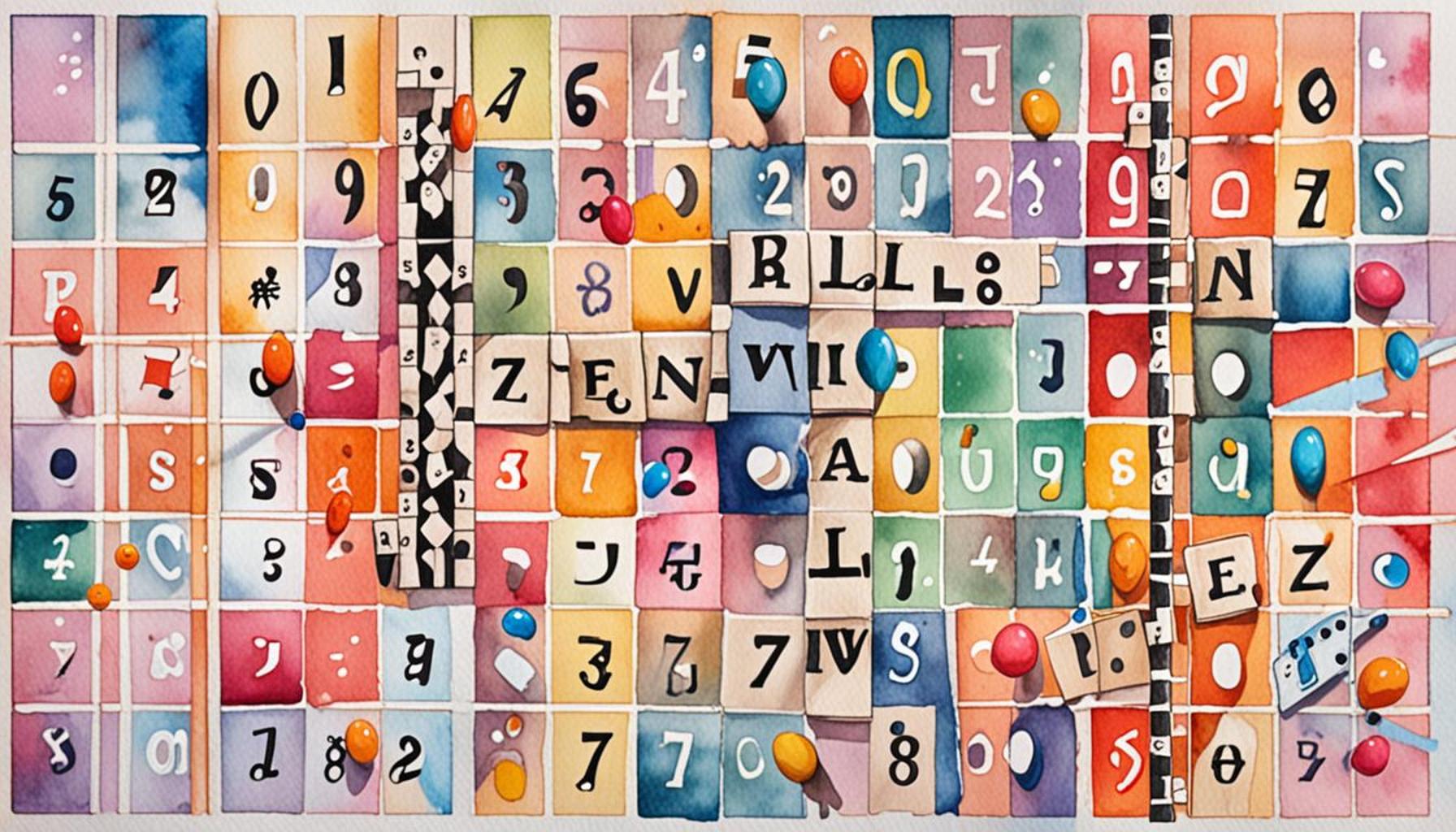
Exploring Cognitive Health in Older Adults
As we age, ensuring that our cognitive functions remain sharp becomes increasingly essential. Many seek methods to maintain mental acuity, making activities that stimulate the brain popular choices. One such activity, crossword puzzles, has gained attention for its potential benefits in preventing cognitive decline.
Why Focus on Crossword Puzzles?
Crossword puzzles offer distinct advantages, making them a favorite among older adults looking to enhance their mental faculties:
- Enhance Vocabulary: Engaging with diverse words can significantly improve language skills. As participants tackle complex clues, they not only learn new terms but also reinforce their existing vocabulary, making conversations more engaging and enriched.
- Boost Memory: Solving puzzles challenges the brain, which may strengthen memory. The need to recall specific words or facts related to clues is an excellent exercise for short- and long-term memory, helping to fortify neural pathways.
- Stimulate Neural Activity: The process of solving stimulates various areas of the brain, promoting synaptic connections. Engaging in crossword puzzles encourages problem-solving and critical thinking, cognitive skills that are vital as we grow older.
Research indicates that regular cognitive activities, like crossword puzzles, may play a role in mitigating the effects of age-related cognitive decline. Specifically, studies have suggested that:
- Seniors who regularly engage in mental exercises may have a lower risk of developing dementia. A long-term study published in the journal “Neurology” found that individuals who embraced cognitive challenges displayed higher mental resilience.
- Crossword enthusiasts often report feeling more mentally agile and alert. Many participants say they experience an increased sense of accomplishment and satisfaction upon completing a challenging puzzle, further enhancing motivation for continued mental exercise.
- Participating in social crossword-solving can foster meaningful interactions, contributing to emotional well-being. Many communities in the United States host crossword puzzle competitions and clubs, where seniors can bond over shared interests, creating a social network that combats loneliness.
With the growing interest in cognitive health among older adults, understanding the relationship between crossword puzzle practice and mental acuity is crucial. The National Institute on Aging advocates for regular mental activity as a means to improve overall cognitive function. By delving into the science behind these puzzles, we uncover their potential to enhance cognitive longevity and invite readers to explore practices that may boost their mental resilience. In a world increasingly focused on maintaining health in our later years, it is vital to consider enjoyable and stimulating activities that enrich our minds while offering a sense of community.
DISCOVER MORE: Click here for tips on enhancing your problem-solving skills
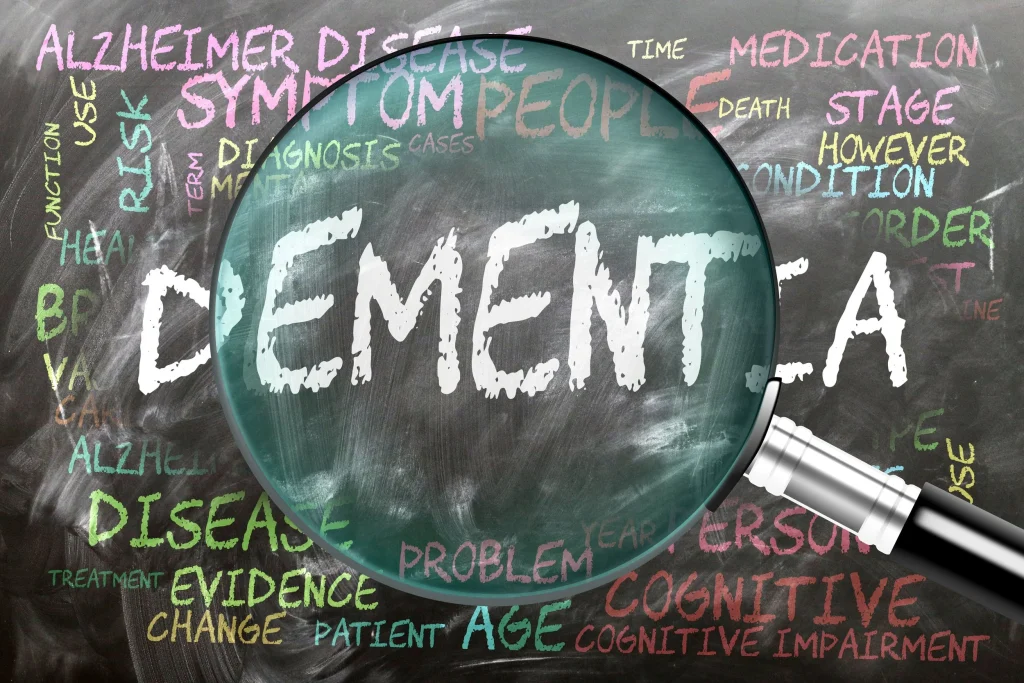
Unpacking the Benefits of Crossword Puzzles
Crossword puzzles are more than just a fun pastime; they serve as a powerful tool for stimulating the mind and can significantly impact cognitive health in older adults. As research continues to emerge, the connection between crossword puzzle practice and the prevention of cognitive decline becomes clearer. Understanding this relationship can empower seniors to take charge of their mental well-being.
The Cognitive Demand of Crossword Puzzles
Solving crossword puzzles requires a diverse range of cognitive skills, including knowledge recall, comprehension, and analytical thinking. This mentally demanding activity engages several brain regions, making it an effective and enjoyable workout for older adults. As individuals navigate through challenging clues, they harness both creativity and logic, engaging in a multi-faceted approach to problem-solving.
- Language Processing: Crossword puzzles compel participants to think critically about words and synonyms. This enhances language processing abilities and aids in the maintenance of strong verbal skills, essential for meaningful communication.
- Complex Problem-Solving: Each puzzle presents unique challenges that require strategic thinking and pattern recognition. This stimulating environment fosters a continuous learning mindset, critical in keeping cognitive skills sharp.
- Memory Enhancement: The process of connecting clues to answers engages both short-term and long-term memory. Research has shown that regular engagement with puzzles can strengthen these memories, effectively fortifying the neural connections related to language and recall.
Numerous studies have highlighted the positive impact of engaging in cognitive activities like crossword puzzles on mental health. For instance, a study from the Rush University Medical Center indicated that older adults who frequently engage in mentally stimulating activities are less likely to experience cognitive decline. Furthermore, the results suggest that those who partake in regular crossword puzzle practice may exhibit a slower progression of Alzheimer’s disease symptoms compared to those who do not.
Moreover, many seniors find that reaping the benefits of crossword puzzles extends beyond mere cognitive enhancement. Participants often report a greater sense of fulfillment and enjoyment from the puzzle-solving process. Completing a challenging crossword can evoke feelings of achievement and motivation to continue pursuing other mental challenges.
The Community Aspect
A significant yet often overlooked benefit of crossword puzzles is the social dimension they provide. In communities across the United States, seniors come together to form clubs or engage in friendly competitions, fostering not only cognitive stimulation but also valuable social connections. These interactions can serve as a buffer against feelings of loneliness and isolation, which are common in older populations. Studies indicate that social engagement plays a crucial role in enhancing overall mental health and well-being.
Given the compelling evidence supporting the relationship between crossword puzzle practice and cognitive health, older adults are encouraged to consider puzzles as more than just a pastime. Engaging regularly in such stimulating activities can pave the way for a more fulfilling and cognitively resilient later life.
| Benefit | Details |
|---|---|
| Enhanced Memory | Regular crossword practice can lead to improved memory retention and recall capabilities. |
| Cognitive Engagement | Engaging with crosswords stimulates various cognitive functions, promoting a healthy brain. |
| Social Interaction | Crossword puzzles can be collaboratively worked on, fostering social bonds and reducing isolation. |
| Stress Reduction | The act of solving puzzles can serve as a form of relaxation, contributing to mental wellness. |
The article delves into the undeniable correlation between crossword puzzles and cognitive longevity among the elderly. Research suggests that consistent engagement in mentally stimulating activities like crosswords builds cognitive reserve, equipping the brain to better cope with the effects of aging. This practice diversifies neural pathways, potentially staving off conditions such as dementia. Moreover, studies indicate that those who regularly solve crosswords tend to demonstrate slower rates of cognitive decline compared to individuals who do not engage in similar activities. The combination of memory enhancement, cognitive engagement, and social interaction created through group puzzles establishes a powerful defense mechanism against the ravages of cognitive decline. As intriguing as it sounds, these simple words and clues could be much more than just a pastime; they might be the key to preserving mental acuity. Exploring this dynamic relationship can reveal further insights into brain health and longevity, leading to a greater understanding of age-related cognitive efficacy.
DIVE DEEPER: Click here to discover the cognitive benefits of mind games
Crossword Puzzles: A Key to Lifelong Learning
The practice of solving crossword puzzles encourages a habit of lifelong learning, a vital component in combating cognitive decline among older adults. By pushing the boundaries of knowledge, crossword enthusiasts are often motivated to explore new topics, words, and trivia. This kind of continuous learning not only enriches their vocabulary but stimulates curiosity, a key element in maintaining mental agility.
Encouraging Research and Exploration
When faced with an unfamiliar clue, many seniors take the initiative to research the answer. This behavior fosters a habit of inquiry and stimulates critical thinking. Engagement in research, whether through books, the internet, or discussions with peers, opens doors to a wealth of information that can enhance cognitive function. Research from the University of California, Berkeley, posits that engaging with the world through learning experiences—like delving into new topics during crossword clues—can bolster cognitive resilience and slow down the progression of age-related cognitive impairments.
- Interdisciplinary Knowledge: Crossword puzzles often cover a wide array of topics, from history and science to pop culture and geography. This varied subject matter encourages players to seek knowledge from interdisciplinary fields, thus promoting a well-rounded cognitive foundation.
- Cognitive Flexibility: The necessity to switch between different types of clues and topics during puzzle-solving cultivates cognitive flexibility. This adaptability is crucial for older adults to remain mentally agile, allowing them to navigate changes and challenges with ease.
- Critical Thinking Development: Solving complex clues often requires strategic reasoning and deductive thinking. The active engagement in such mental processes reinforces neural pathways, contributing to enhanced cognitive function.
Furthermore, understanding the mechanics of how crossword puzzles engage and challenge the brain has gained attention from researchers and neurologists. A comprehensive study published in the Journal of Gerontology showcased that older adults who frequently engage in activities requiring critical thinking, such as crossword puzzles, demonstrated a notably lower risk of cognitive decline, including Alzheimer’s disease. This suggests that consistent participation in such activities can fortify the brain’s defenses against neurodegenerative diseases.
Crossword Puzzles and Emotional Well-being
Aside from cognitive enhancements, crossword puzzles contribute significantly to emotional well-being among older adults. The process of puzzling through each clue enables participants to experience a sense of accomplishment, which can play a profound role in boosting self-esteem. Moreover, engaging in mentally stimulating activities has been associated with lower rates of depression and anxiety among seniors.
The collaborative aspect of solving puzzles in a group setting can further enhance emotional health. Many communities offer puzzle-solving clubs where participants bond over shared challenges. This social connectivity can lead to lasting friendships, decreasing feelings of isolation, often reported in older populations. Recent findings from the National Institute on Aging emphasized that social interactions within such groups can further amplify the benefits derived from cognitive exercises like crossword puzzles.
In summary, the relationship between crossword puzzle practice and the prevention of cognitive decline is multifaceted, encompassing cognitive, emotional, and social dimensions. By promoting a culture of ongoing learning and fostering social connections through puzzle-solving, older adults can strive for a more vibrant and engaged lifestyle.
DIVE DEEPER: Click here to enhance your skills
Conclusion
In the quest to maintain cognitive health as we age, crossword puzzles emerge as a compelling ally for older adults. The synthesis of cognitive engagement, emotional uplift, and social connectivity that crossword puzzles provide forms a triad essential for overall well-being. Engaging with these puzzles cultivates critical thinking, enhances cognitive flexibility, and fosters a lifelong love of learning—each pivotal in mitigating the risk of cognitive decline.
Research indicates that consistent participation in activities requiring mental acumen, such as crossword puzzles, strengthens cognitive resilience. As highlighted by studies from reputable institutions, older adults actively engaging in these puzzles demonstrate a notably lower incidence of cognitive impairments, including conditions like Alzheimer’s disease. Furthermore, the sense of achievement gained from successfully solving a puzzle can significantly bolster self-esteem and reduce feelings of loneliness, particularly when shared with others in communal settings.
Given the multifaceted benefits, incorporating crossword puzzles into daily routines can be a straightforward yet powerful approach for older adults aiming to safeguard their cognitive health. However, it is equally vital for families and communities to support and encourage these enriching activities. In a world increasingly aware of mental health, crossword puzzles stand out not only as a source of entertainment but also as a gateway to maintaining vibrancy and engagement in later life.
As we further explore this realm, the invitation is clear: challenge your mind, connect with others, and embrace the enriching journey that crossword puzzles offer. By doing so, older adults may navigate the complexities of aging with not just resilience but renewed vigor.
Related posts:
Logical reasoning games: how to enhance decision-making and problem-solving skills
The influence of reasoning games on the improvement of cognitive skills in adults
The relationship between mathematical puzzles and the development of critical thinking in youth
The impact of trivia games on the enhancement of general knowledge and quick thinking in adults
How Digital Puzzles are Shaping Cognition in a Virtual World
The role of strategy games in promoting logical thinking in young adults
Linda Carter is a writer and puzzle expert specializing in mind games, brain teasers, and cognitive challenges. With extensive experience helping individuals enhance their problem-solving skills and think critically, Linda shares her knowledge on our platform. Her goal is to empower readers with practical advice, engaging puzzles, and strategies to sharpen their minds and achieve success in the captivating world of mind games and puzzles.