How Modern Board Games Stimulate Strategic Thinking in Competitive Environments
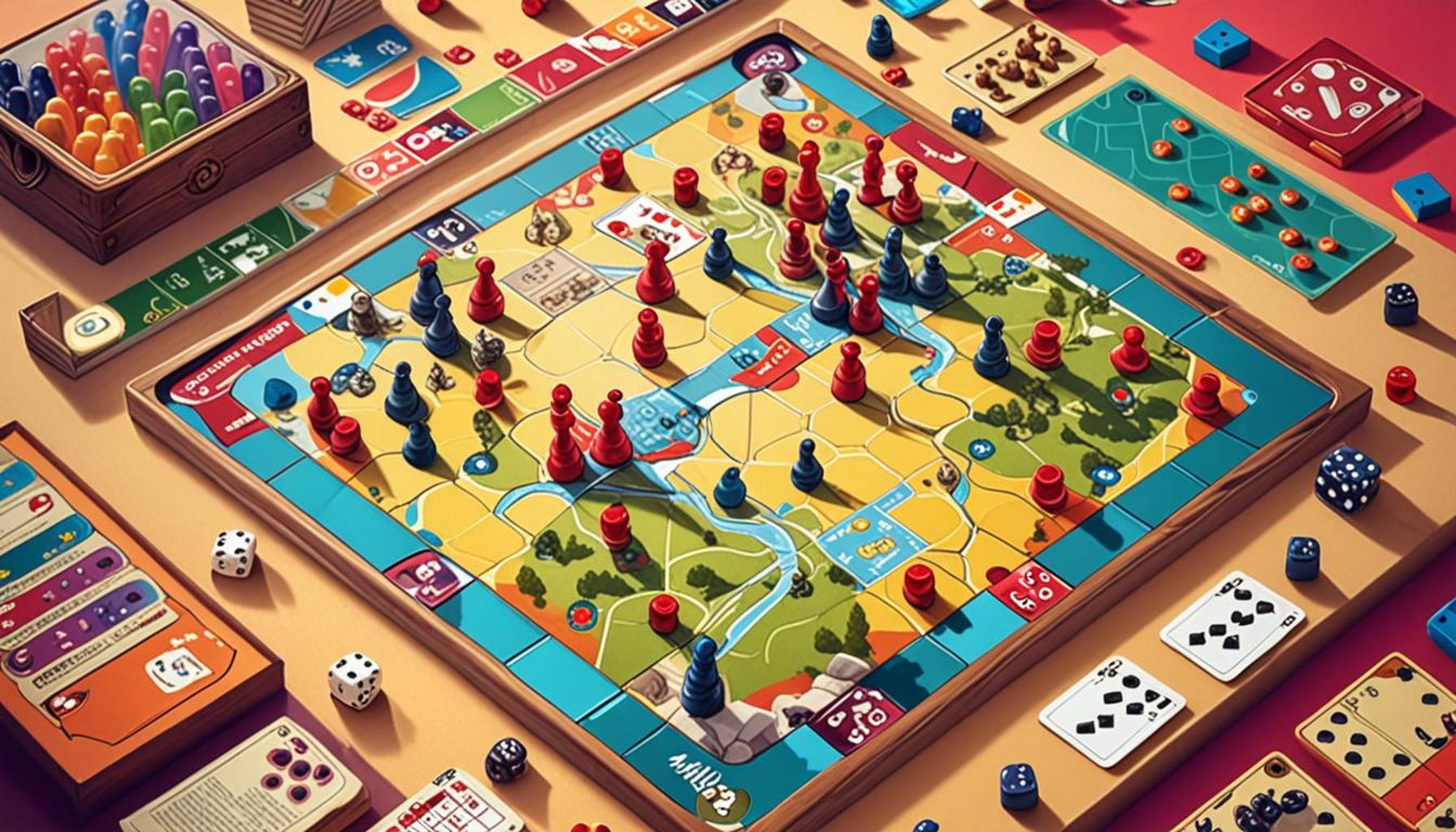
Understanding the Popularity of Modern Board Games
In recent years, the landscape of entertainment has dramatically transformed, with modern board games coming to the forefront as an engaging activity for diverse audiences. The appeal of these games extends far beyond mere amusement; they are immersive experiences that sharpen the mind and encourage social interaction. As families and friends gather around the table, they engage not only in recreational fun but in an enriching mental exercise that promotes essential life skills.
The Mechanics of Modern Board Games
Games like Settlers of Catan, Ticket to Ride, and Carcassonne are exemplary of this trend. Each game brings its unique mechanics that require players to:
- Analyze their options—assessing various pathways to victory while accounting for limited resources.
- Anticipate opponents’ moves—predicting the strategies of others to stay ahead in the competition.
- Make resource-management decisions—strategically allocating important resources to maximize benefits.
These mechanics not only enhance gameplay but also teach invaluable lessons in critical thinking and problem-solving. For example, in a game of Catan, players must balance building settlements with the risks of investment, akin to real-world economic decisions. Such scenarios help reinforce cognitive flexibility and adaptability, traits that are beneficial in business and life in general.
Life Skills Developed Through Play
As players immerse themselves in board games, they acquire collaborative strategies that enhance their interpersonal skills. The cheerfulness of competition amalgamates with the necessity of negotiation, leading to rich discussions that can last long after the game has concluded. The lessons learned within these playful environments can translate effectively into real-life situations, such as:
- Decision-making—honing the ability to make sound choices under pressure.
- Risk assessment—learning to weigh potential outcomes and prepare for various scenarios.
- Negotiation skills—cultivating the art of compromise and persuasion.
The Cultural Impact and Community Building
Moreover, the community aspect of modern board games cannot be overlooked. Game nights are increasingly popular in social settings, fostering connections that bridge generational gaps. In the United States, specialized board game cafes and local clubs have emerged as vibrant hubs for enthusiasts to gather, share strategies, and form bonds infused with a spirit of friendly competition.
The growth of platforms like BoardGameGeek and forums across social media demonstrates the depth of passion within this community. These platforms serve not only as archives of game reviews and strategies but also as meeting points for aspiring designers looking to contribute to this thriving industry.
Conclusion
With the rising trend of competitive gaming, exploring the role of board games in stimulating strategic thought becomes increasingly pertinent. They encourage players to develop cognitive and emotional skills while providing a unique platform for social interaction. As we delve deeper into this world, it is clear that modern board games are more than just entertainment; they are vital educational tools that prepare individuals for success in various competitive environments. Join us on this journey to discover how board games transform mundane gatherings into exceptional learning opportunities.
DON’T MISS: Click here to discover how puzzles can enhance creativity
The Role of Strategy in Board Game Design
At the heart of many modern board games lies a complex web of strategy that players must navigate to achieve victory. Games such as Twilight Struggle and 7 Wonders intricately blend competitive mechanics with strategic depth, requiring players to think critically and plan several moves ahead. The ability to formulate a coherent strategy becomes essential, turning casual gaming into an intellectually stimulating endeavor.
One of the defining features of these games is their layered decision-making processes. Players are often faced with various options that present immediate advantages but may come with long-term consequences. For instance, in Twilight Struggle, players must balance their efforts between developing political influence, garnering military strength, and managing resources—all while anticipating their opponent’s next move. The intricate dimensions of gameplay compel players to engage their analytic skills in pursuit of victory.
- Resource Allocation: Players learn how to allocate finite resources efficiently to overcome obstacles and compete effectively against their opponents.
- Future Projections: Planning for future turns involves predicting possible outcomes based on current actions, enhancing foresight and strategic thinking.
- Dynamic Adaptation: As game scenarios evolve with each decision made, players must adapt their strategies, fostering a mindset that thrives on flexibility and innovation.
Cognitive Benefits of Strategic Play
The strategic elements present in modern board games not only contribute to the enjoyment of the game but also offer significant cognitive benefits. Recent studies have shown that engaging in strategic gameplay can enhance various aspects of cognitive function, particularly in areas such as problem-solving, critical thinking, and attention to detail. Players are required to assess situations rapidly and determine the most effective course of action, skills that are transferable to competitive environments in everyday life.
Take Chess, a classic paradigm of strategy, which has long been celebrated for its capacity to enhance mental acuity. The modern board games of today borrow elements from such traditional games, incorporating them in innovative ways that challenge players to not only devise winning strategies but also to continually refine their approach based on evolving game scenarios. As players engage in these enriched gaming experiences, they unwittingly reinforce their ability to think strategically in real-world situations, such as navigating a complex business landscape or resolving conflicts in team dynamics.
Moreover, the palpable tension and excitement inherent in competitive board games create an atmosphere that mirrors high-stakes environments, promoting a healthy approach to risk-taking. These interactions teach players how to understand failure as feedback rather than a setback, cultivating resilience and a growth mindset that are critical in any competitive arena.
How Modern Board Games Enhance Strategic Thinking
Modern board games have become a vital tool in stimulating strategic thinking, promoting essential skills in both casual and competitive environments. These games often encompass elements of resource management, tactical decision-making, and long-term planning. Players are encouraged to evaluate risks and rewards, fostering a mindset that is highly beneficial both in gameplay and real-life situations.One significant advantage of engaging with these games is the development of critical thinking skills. Players are frequently presented with dynamic scenarios that require quick adjustments to their strategies, reflecting the unpredictability of modern competitive landscapes. This adaptability is essential in fields such as business, military strategy, and even everyday problem-solving.Additionally, many modern board games promote team collaboration, emphasizing the importance of communication and cooperative strategy in achieving common goals. This aspect of gameplay illustrates how competing teams can elevate their collective performance through shared insights, a valuable lesson for workplaces and group projects.Moreover, various genres of board games expose players to diverse strategies, teaching them to recognize patterns and foresee opponents’ moves. This predictive capability cultivates a deeper understanding of strategic outcomes and empowers individuals to anticipate challenges, reinforcing a proactive approach in competitive environments.As we delve deeper into how modern board games nurture strategic thinking, let’s examine a simplified breakdown of the advantages these engaging experiences provide in a focused table.
| Category | Insights |
|---|---|
| Critical Thinking | Board games challenge players to analyze situations and make informed decisions rapidly. |
| Team Collaboration | Playing in teams enhances communication skills and collective problem-solving abilities. |
| Predictive Strategy | Players learn to foresee opponents’ moves, enabling strategic foresight. |
These elements contribute significantly to personal and professional growth, making board games a compelling resource for enhancing strategic thinking in competitive environments. They serve as a microcosm where strategic principles can be applied and cultivated, laying the groundwork for success in various facets of life.
DISCOVER MORE: Click here to unlock strategies for winning
Social Interaction and Team Dynamics
Modern board games not only cultivate individual strategic thinking but also enhance players’ abilities in social interaction and understanding team dynamics. Multiplayer games, such as Pandemic and Catan, require players to collaborate, negotiate, and sometimes manipulate in order to achieve their goals. This communal aspect of gaming fosters communication skills and emotional intelligence, essential components in both competitive environments and personal relationships.
For example, in games like Werewolf or The Resistance, players engage in social deduction, where bluffing and persuasion become key gameplay elements. These encounters require participants to analyze not only the game state but also the behaviors and motivations of their opponents. The gameplay emerges as a microcosm of real-life situations where collaboration and competition coexist in dynamic balance, teaching players to navigate complex social landscapes.
- Effective Communication: Players must articulate their strategies and intentions clearly while also being adept at reading others, which promotes active listening and persuasive communication.
- Conflict Resolution: Competitive board games often lead to disagreements, pushing players to find amicable solutions, thus honing their ability to resolve conflicts practically.
- Collaborative Strategy: Games that necessitate teamwork encourage participants to develop joint strategies, balancing individual goals with the collective success of the team.
Analyzing Game Dynamics for Strategic Mastery
Another key feature of modern board games is their inherent complexity, which often leads players to engage in deep analysis of game mechanics. This analytical approach mimics strategic planning in competitive fields such as business and sports. For instance, in games like Terraforming Mars, players must assess not only their own cards and resources but also be vigilant about their opponents’ strategies and potential actions. The interdependence of player decisions creates a rich environment for critical analysis and reflection.
Research indicates that engaging in strategic board games enhances players’ abilities to conduct situation analysis, exploring possible contingencies before executing a plan. This skill set transcends the gaming table, empowering individuals to visualize multiple outcomes and develop robust strategies for tackling real-world challenges, be it in the sector of project management or competitive negotiations.
Moreover, the competitive nature of these games encourages players to embrace strategic risk assessment. The intertwining of risk and reward forces players to make calculated decisions, weighing the potential benefits against possible pitfalls. This experience strengthens their capability to think critically about their options and encourages them to view risks as opportunities rather than threats.
Ultimately, the continuous challenge of modern board games fosters an environment of lifetime learning where players are motivated to return to the table, improving their analytical skills and strategic thinking with each session. This iterative learning process allows them to better prepare themselves for competitive scenarios outside the realm of gaming, reinforcing that the skills honed through strategic play are not confined to the game itself but rather, resonate significantly throughout their lives.
DISCOVER MORE: Click here to enhance your decision-making skills
Conclusion
In summary, modern board games serve as a powerful platform for enhancing strategic thinking in competitive environments. Through their complex mechanics and immersive gameplay, players experience a wide range of scenarios that promote analytical skills, risk assessment, and the ability to develop comprehensive strategies. The social dynamics inherent in multiplayer games cultivate essential soft skills, such as effective communication and conflict resolution, which are invaluable both on and off the gaming table.
Furthermore, the iterative nature of gameplay ensures that each session presents new challenges, encouraging participants to refine their strategies and adapt their approaches continually. This not only prepares them for competitions in business and other fields but also fosters a mindset of lifetime learning. As players navigate through the intricate web of alliances and rivalries, they hone their ability to make informed decisions and embrace the complexity of team dynamics. The skills developed in this playful yet competitive context resonate far beyond the gaming experience, shaping more resilient, adaptive thinkers ready to tackle real-world challenges.
As interest in board gaming continues to grow, it stands to reason that harnessing the strategic potential of these games can have profound implications. From educational settings to professional development, embracing modern board games might just hold the key to unlocking innovative thinking and strategic prowess in various competitive environments. The next time you gather around the table for a game night, remember that you’re not just having fun; you’re sharpening your mind in ways that could translate into success in countless aspects of life.
Related posts:
The Importance of Strategic Thinking in Classic Board Games
The Evolution of Strategic Thinking Through Narrative Puzzles
The Influence of Team Strategy Games on Collaborative Thinking Dynamics
The importance of strategic thinking in board games: how to develop planning skills
The Role of Logic Games in Enhancing Strategic Problem-Solving Skills
How Online Strategy Games Stimulate Critical Thinking and Decision Making

Linda Carter is a writer and puzzle expert specializing in mind games, brain teasers, and cognitive challenges. With extensive experience helping individuals enhance their problem-solving skills and think critically, Linda shares her knowledge on our platform. Her goal is to empower readers with practical advice, engaging puzzles, and strategies to sharpen their minds and achieve success in the captivating world of mind games and puzzles.