The Importance of Strategic Thinking in Classic Board Games
The Role of Strategy in Classic Board Games
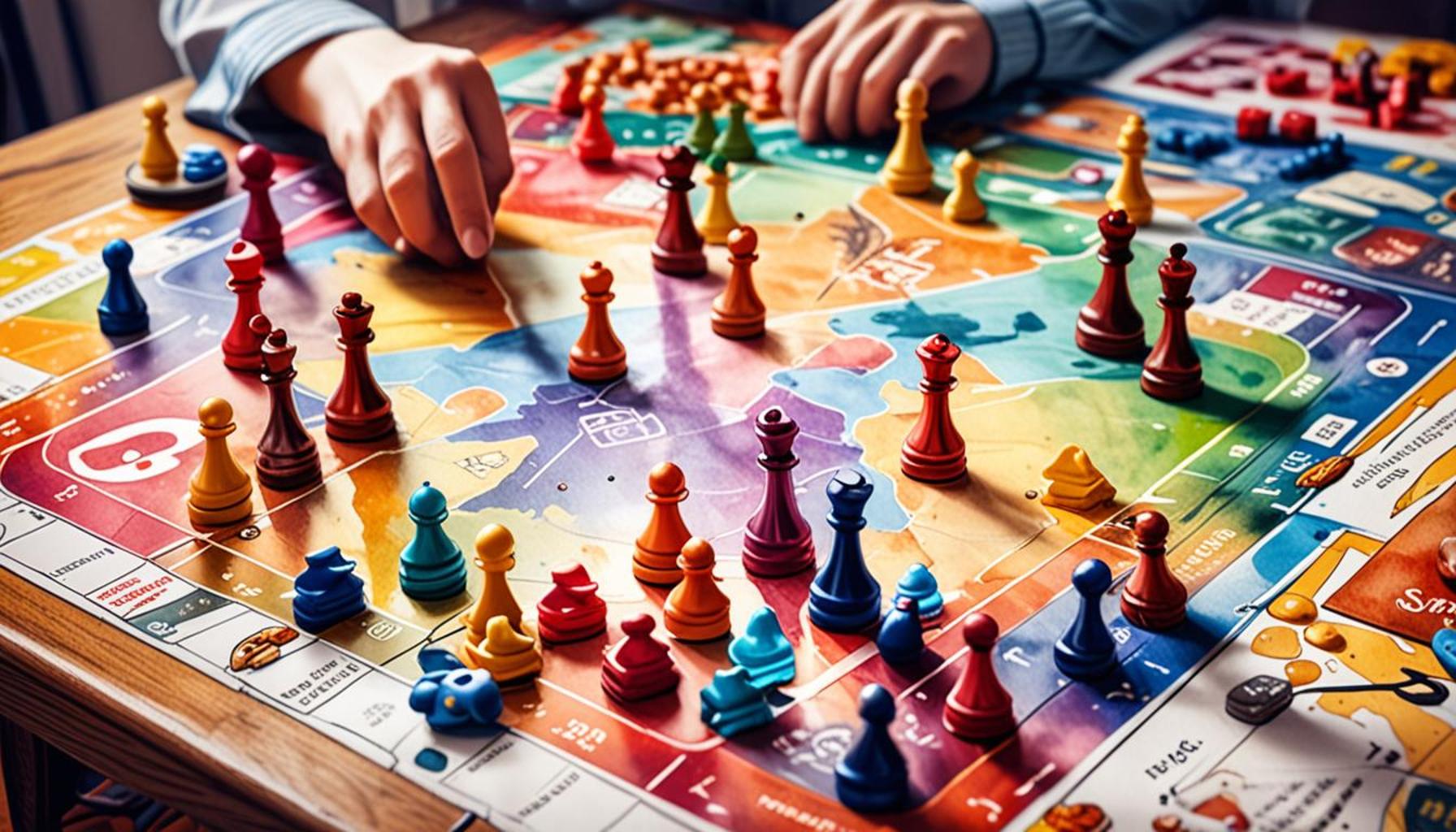
Classic board games are not merely pastimes; they serve as profound arenas for strategic thinking. As players navigate through these games, they encounter a myriad of challenges that necessitate careful planning and the foresight to anticipate opponents’ moves. The cognitive skills developed through these engaging experiences extend well beyond the confines of the game board, significantly influencing decision-making in real-life situations.
Consider the timeless strategy of Chess. This two-player game, often referred to as the ultimate intellectual battlefield, requires players to master both offensive and defensive strategies. Every move must be meticulously planned and executed, often several steps ahead of the opponent. The ability to recognize patterns and foresee potential threats is critical. The great chess grandmaster Garry Kasparov once stated that “Chess is an infinitely complex game that is profoundly simple,” showcasing the depth of strategic thought involved.
Similarly, Monopoly is more than simply rolling dice and acquiring properties. This game immerses players in a world of real estate and fiscal management. Here, the strategic allocation of resources, negotiation for trades, and timing of property development are essential. Players quickly learn that every decision they make can significantly impact their chances of winning. This game teaches fundamental lessons about investment and economic strategy, offering insights applicable to personal finance and corporate decision-making.
Risk, on the other hand, introduces an entirely different facet of strategy with its global conquest theme. Players are tasked with balancing offensive and defensive maneuvers, determining when to strike and when to fortify their positions. The concept of controlling territories and forming alliances adds layers of complexity that require players to think critically about their long-term objectives and the delicate nature of diplomacy. Every encounter can shift the balance of power, teaching invaluable lessons about negotiation and competitive dynamics.
These classic games provide fertile ground for developing critical skills such as:
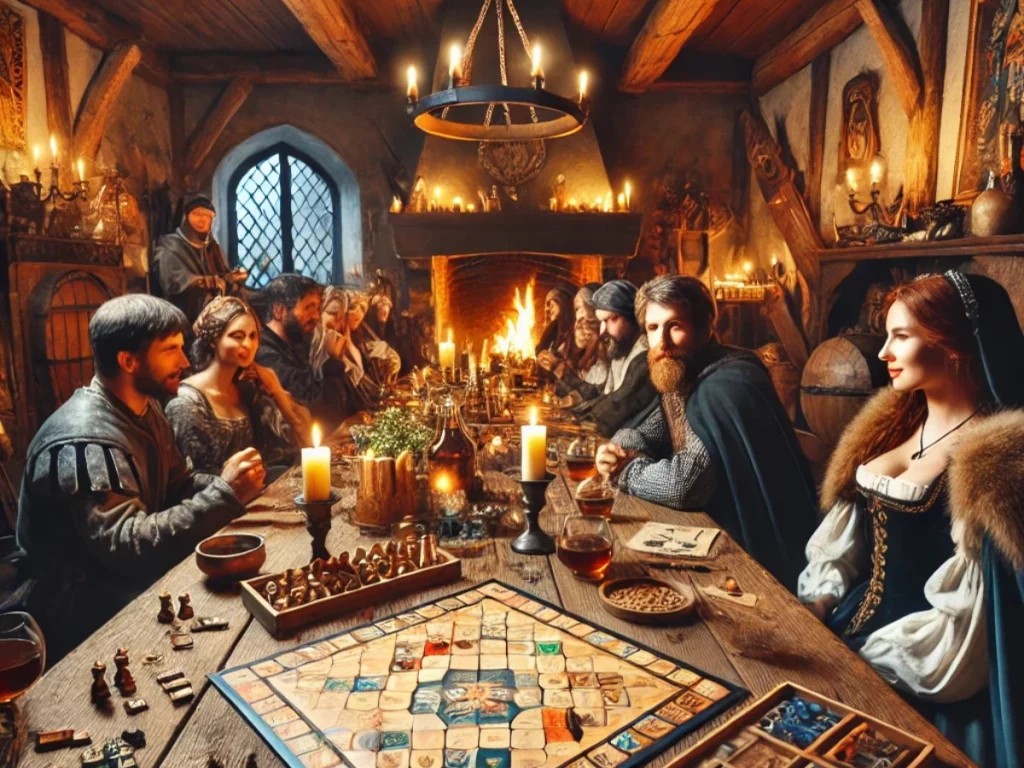
- Problem-solving – Players encounter various scenarios that require them to make calculated and informed decisions for the best path forward.
- Planning – Strategic board games encourage mapping out a series of potential moves while being adaptable to the ever-shifting landscape of gameplay.
- Foreseeing outcomes – Understanding the ripple effects of different choices cultivates foresight that is crucial in both personal and professional realms.
Examining the mechanics of these board games uncovers how strategic thinking not only influences the outcomes of the games but also nurtures personal growth and professional skills. In an era characterized by rapid change and uncertainty, the cognitive abilities fostered in the realm of classic board games are increasingly relevant. Whether engaged in a casual family game night or a competitive tournament, participants are consistently honing their strategic acumen—skills that have value far beyond the game.
DIVE DEEPER: Click here to enhance your strategic skills
Unpacking the Mechanics of Strategy
To fully appreciate the significance of strategic thinking in classic board games, it is essential to understand how these mechanics intertwine with cognitive development. Each game is crafted with layers of complexity and an array of components that encourage players to delve deep into the art of strategy. Players are not simply participants; they become architects of their own success, devising plans that transform the landscape of play.
Take, for example, the game of Settlers of Catan, a classic that has gained immense popularity among diverse age groups and cultures. The objective may seem simple—gather resources, build settlements, and achieve victory points—but the underlying strategic depth is remarkable. Players must develop insights about resource scarcity, trade dynamics, and even interpersonal relations. Decisions regarding when to collaborate or compete become crucial, forcing players to balance their own interests with those of their opponents. This balance fosters a sense of adaptability, an essential skill both in board games and real-life situations.
Another cornerstone of strategic board gaming is Gamification, evident in games like Ticket to Ride. As players compete to construct their railway networks across various cities, they not only plan their paths but also anticipate competitors’ routes. Success hinges on the player’s ability to optimize their moves while thwarting others—demonstrating the dual nature of strategy as both personal and interactive. This intertwining of strategic foresight and social dynamics can mirror real-world scenarios, from business negotiations to team collaborations.
These games also touch on the aspect of risk assessment, where players are often required to take calculated gambles for potential rewards. For instance, in Clue, a game centered on deduction, players must evaluate the probability of their guesses based on limited information while weighing the risk of moving too hastily. Mistakes in such contexts can lead to cascading effects, reinforcing the concept that strategic thinking is not just about immediate gains but also about considering longer-term implications. This skill can be especially relevant in fields such as finance and project management, where understanding risk versus reward can make a significant difference.
Overall, the implications of strategic thinking in classic board games enrich players’ experiences in notable ways. Key takeaways from these games include:
- Critical analysis – Players learn to assess situations critically, identifying strengths and weaknesses in various scenarios.
- Adaptation to change – The inherent unpredictability of many board games teaches players how to modify their strategies based on fluctuating dynamics.
- Long-term vision – The importance of setting goals and envisioning multiple moves ahead is paramount in achieving success, instructing players on the value of foresight.
The diverse strategies embedded in these classic games help fortify mental agility, teaching players valuable lessons that resonate outside the realm of play. With each roll of the dice or play of a card, participants are not merely passing time; they are cultivating a toolkit for strategic thinking that can influence their decisions in everyday life, workplace challenges, and interpersonal relationships.
The Importance of Strategic Thinking in Classic Board Games
Classic board games have long been cherished not merely for entertainment but also for the invaluable lessons they impart on strategic thinking. As players engage with these games, they cultivate essential skills such as decision-making, critical analysis, and foresight. Here, we delve into the crucial advantages of strategic thinking fostered by classic board games, illustrating their impact on both players’ personal and professional lives.
| Category | Description |
|---|---|
| Improved Decision-Making | Board games require players to make strategic choices, enhancing their ability to weigh options effectively. |
| Fostering Problem-Solving Skills | Players encounter challenges and must craft plans to overcome obstacles, which translates into better problem-solving in real life. |
These games not only serve as a platform for fun but also as a vital tool for mental development. By navigating the intricacies of rules and interactions, players hone their ability to think strategically, fostering skills that are crucial in today’s complex world. Thus, the benefits of engaging in classic board games extend far beyond the gaming table.
DISCOVER MORE: Click here to unlock the benefits of logic games
The Social Dimensions of Strategy
Another crucial aspect of strategic thinking in classic board games lies in their capacity to foster social interaction and build interpersonal skills. These games are not played in isolation; rather, they function as platforms for communication, negotiation, and collaboration among players. Cultivating strong social skills is vital in both personal and professional life, and classic board games uniquely enhance this aspect through varied interactive dynamics.
Consider the game of Risk, a timeless classic that revolves around military strategy and global domination. Players must not only think strategically about troop movements and territory acquisition but also engage in meaningful diplomacy with opponents. Forming alliances can provide a strategic advantage, yet such alliances can be fragile and must be navigated carefully. The experience teaches players the importance of relationship management and the delicate balance between cooperation and rivalry. This type of interaction is particularly relevant in business environments, where partnerships often hinge on trust and strategy.
Additionally, board games like Diplomacy take interpersonal strategy to another level. In this game, players control European powers in pre-World War I times and must negotiate their moves in real time. The art of persuasion—convincing others to support your plans while concealing your true intentions—is at the heart of this experience. The skills honed in Diplomacy extend far beyond the game board; effective communication and negotiation are critical components in many aspects of life, from business to personal relationships.
Moreover, by playing classic board games, individuals are continually exposed to diverse problem-solving approaches. Each player brings their unique perspective and strategic style, offering a rich tapestry of tactics and ideas. This diversity challenges participants to expand their own strategic frameworks, fostering a culture of adaptation and innovation. Such experiences cultivate an open-mindedness that is invaluable in both collaborative projects and competitive settings.
The developmental benefits of strategic board games are profound. Research indicates that engaging in games that require sensitive negotiation and strategic planning can lead to improved emotional intelligence. Players learn to read social cues and adjust their strategies based on others’ reactions, enhancing both empathy and responsiveness. These traits are not only beneficial for personal interactions but are also sought after in today’s workplace, where teamwork and emotional agility are paramount.
Overall, classic board games serve as fertile ground for strategic thinking alongside social development. Players extract numerous benefits from these experiences, including:
- Effective communication – The necessity for clear articulation of thoughts and strategies enhances verbal skills.
- Negotiation skills – Players learn to negotiate with others, balancing their objectives with the need for cooperation.
- Diversity of thought – Exposure to various strategies promotes innovative thinking, encouraging players to consider new ideas and perspectives.
Ultimately, the role of social dimensions in strategic board games deepens players’ understanding of how to approach challenges creatively and collaboratively. Each game played is not just a quest for victory but a masterclass in strategic interaction that can translate effectively into the broader arena of life’s challenges.
DISCOVER MORE: Click here to dive deeper
Final Thoughts on Strategic Thinking in Classic Board Games
In conclusion, the importance of strategic thinking in classic board games cannot be overstated. These games serve as a unique medium not only for entertainment but also for personal development in numerous ways. Through the intricate layers of strategy involved in games like Chess, Monopoly, and Settlers of Catan, players learn to analyze situations critically, enhance their problem-solving capabilities, and adapt their tactics based on evolving scenarios. This adaptability is a key skill in both competitive environments and everyday life.
Moreover, classic board games present a social landscape that enriches interpersonal skills. As players engage in friendly rivalry and collaboration, they refine their communication, negotiation, and relationship management abilities—skills that are indispensable in modern society, especially in professional settings where teamwork and collaboration are critical. The interactional aspects of games like Risk and Diplomacy highlight the art of persuasion and alliance-building, equipping players with valuable insights that extend far beyond the game table.
As we continue to embrace the digital age, we should not underestimate the timeless relevance of these traditional games. They are more than just leisure activities; they are vital tools for developing the strategic mindset and social insights necessary to navigate the complexities of life. In a world that increasingly values collaboration and innovation, classic board games present an engaging platform to foster these essential skills. By participating in these games, individuals create opportunities for growth, making each roll of the dice or move of the piece a stepping stone towards greater strategic mastery.
Related posts:
How Logic Challenges Stimulate Creativity in Strategic Solutions
Boost Decision-Making Skills with Mind Games Strategic Challenges
The Impact of Word Games on the Development of Strategic Thinking
The Intersection Between Simulation and Strategy Games in Business Leader Development
The Influence of Team Strategy Games on Collaborative Thinking Dynamics
The Importance of Strategic Thinking in Board Games: How to Plan to Win

Linda Carter is a writer and puzzle expert specializing in mind games, brain teasers, and cognitive challenges. With extensive experience helping individuals enhance their problem-solving skills and think critically, Linda shares her knowledge on our platform. Her goal is to empower readers with practical advice, engaging puzzles, and strategies to sharpen their minds and achieve success in the captivating world of mind games and puzzles.