The Influence of Card Games on Planning and Movement Anticipation Ability

Cognitive Benefits of Playing Card Games
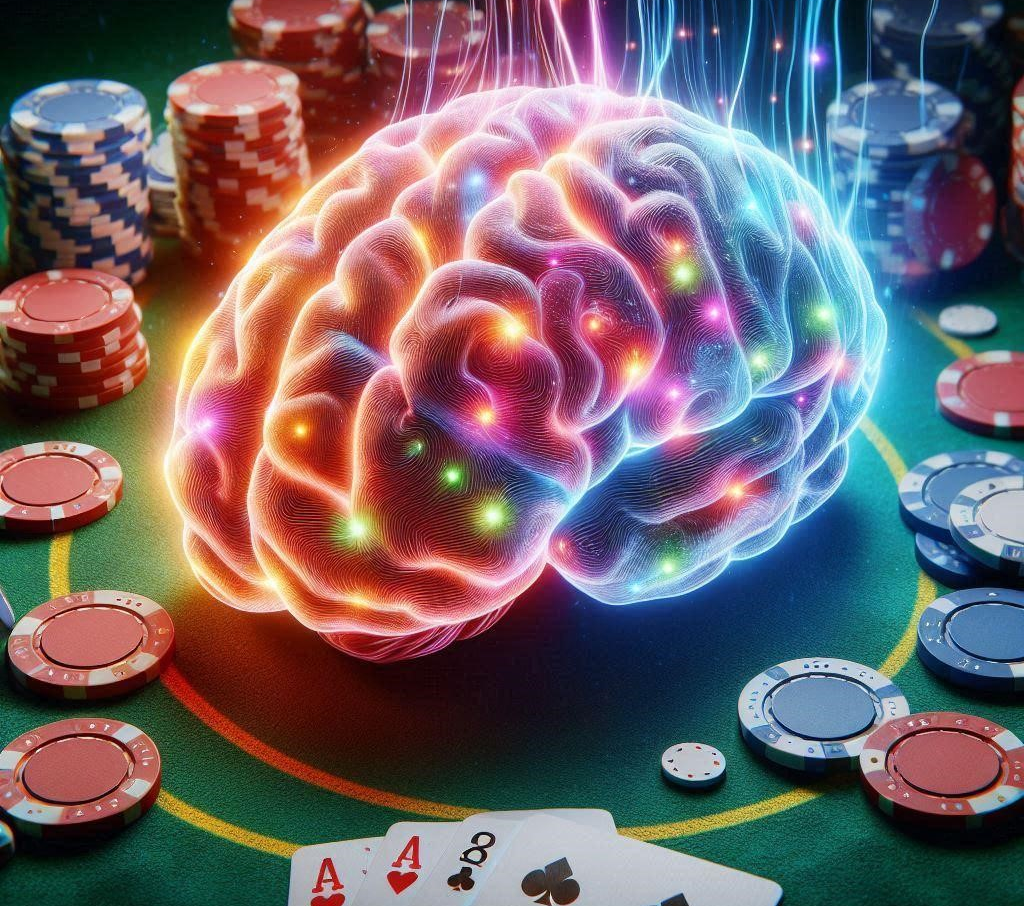
The world of card games is filled with excitement and strategy, providing far more than just a pastime. Beneath the surface lies a rich landscape of cognitive benefits that can significantly bolster mental agility, especially for players who engage regularly. These games invite participants to immerse themselves in a dynamic environment, developing skills that are transferable to many areas of life.
Studies have increasingly demonstrated that regular engagement in card games can enhance various cognitive faculties. Among these benefits, planning skills and movement anticipation are particularly noteworthy. When players sit down for a game, they must continually assess their hand, evaluate opponents’ potential choices, and adapt their strategies accordingly.
- Strategic Thinking: In games such as Poker, players must contemplate not just their cards but also the probability of what their opponents might be holding. This necessitates a high level of strategic analysis, a skill that is invaluable in real-life scenarios like business negotiations or personal financial planning.
- Memory Usage: Effective card players need to remember the cards that have already been played in order to make informed decisions. This practice can significantly improve both short-term and long-term memory, aiding in academic pursuits and even day-to-day tasks.
- Decision Making: Card games often present players with time-sensitive decisions, requiring them to think on their feet. For example, in a game of Rummy, deciding whether to draw a card or discard one can alter the course of the game. This fast-paced environment can prepare individuals for high-pressure situations in their personal and professional lives.
Moreover, the social nature of card games cannot be overlooked. They are often played in groups, providing players opportunities for building social ties and enhancing interpersonal communication skills. Learning to read others’ expressions and body language during a game can help improve emotional intelligence and social interactions outside the game environment.
Popular games such as Bridge, with its complex bidding system, and the strategic depth of Magic: The Gathering, offer players rich avenues for cognitive development. Each turn demands players reassess their tactics; they must predict the evolving dynamics of the game while considering their opponents’ possibilities.
In conclusion, the educational benefits of card games are substantial, challenging players in ways that translate into valuable life skills. As awareness of these cognitive impacts spreads, individuals may find renewed interest in card games—not merely as a form of entertainment but as a powerful tool for mental development. So, whether you are waiting for your next flight or enjoying a lazy afternoon at home, consider picking up a deck of cards. You just might sharpen your mind while having fun.
DISCOVER MORE: Click here to enhance your memory skills
The Role of Card Games in Enhancing Planning Skills
When it comes to planning skills, card games serve as an engaging platform for players to refine their ability to anticipate future moves, enabling them to think strategically about both their own actions and those of their opponents. The complexity of many card games encourages players to formulate tactical approaches that are not only effective but also adaptive. This continual need for adjustment positions card games as effective tools in developing critical planning abilities.
Take, for example, games like Bridge. In Bridge, players must communicate their hand strength and intentions through a series of bids that require careful consideration. Each bid reveals specific information while simultaneously concealing other aspects of their hand, forcing players to plan multiple moves ahead. This layering of strategy trains players not only to develop immediate tactics but also to foresee potential outcomes based on the bids of their partners and opponents.
Another game that exemplifies the influence of planning is Texas Hold’em Poker. Here, players must juggle the cards they hold, the community cards on the table, and the unpredictable actions of their opponents. The skill of planning extends beyond mere card management; it encompasses calculating risks, evaluating player tendencies, and predicting future actions to maximize winnings. These planning elements are transferrable to real-life situations, such as project management or strategic business decisions, where foresight and adaptability are key.
The Dynamics of Movement Anticipation in Card Games
In addition to planning skills, card games significantly influence movement anticipation abilities. Players are often tasked with predicting when and how their opponents will react. This skill goes a long way in enhancing one’s ability to foresee outcomes, not just in games but also in real-world scenarios. For instance, the elements of bluffing in Poker require players to read body language and changes in behavior that may signal an opponent’s hand strength, contributing to their tactical decisions.
- Reading Opponents: Successful players must quickly interpret their opponents’ emotional states, gestures, and reactions. This vigilance is crucial for anticipating their next moves and deciding how to respond effectively.
- Timing Strategies: The timing of actions such as betting or drawing cards can shift the momentum of the game. Players must anticipate the best moments to make their moves to secure a strategic advantage.
- Adaption to Changes: Each round in a card game can feel like a new battlefield, necessitating the continuous re-evaluation of one’s approach based on the cards dealt and the opponents’ behavior.
These abilities foster a heightened sense of awareness, encouraging players to stay in tune with their surroundings and adapt swiftly. Ultimately, the skills honed through card games can enhance one’s capacity for effective planning and movement anticipation, equipping individuals with vital life skills applicable in a variety of contexts. As research continues to support the brain-boosting benefits of these games, it becomes increasingly clear that engaging in them is a powerful way to sharpen cognitive capabilities.
| Category | Description |
|---|---|
| Cognitive Skills Development | Card games challenge players to strategize, enhancing their planning abilities and decision-making processes. |
| Anticipation and Reactivity | Short-term memory and movement anticipation are sharpened as players must predict opponents’ moves and respond quickly to changing scenarios. |
Delving deeper, card games encompass a rich tapestry of strategies, enhancing players’ cognitive skills and their ability to anticipate movements. This combination of reasoning and foresight is not merely an entertaining pastime but serves as a vital training ground for mental agility. By engaging in competitive play, individuals routinely practice complex planning techniques, which transition seamlessly into real-life applications. Moreover, the social interaction inherent in card games fosters an environment where emotional intelligence is equally developed. Individuals learn to read opponents and gauge their reactions, which adds a layer of complexity to the game. This nuanced understanding of behavior extends beyond gaming, proving beneficial in various interpersonal situations. Thus, the influence of card games extends into practical realms, rendering them a valuable tool for enhancing one’s ability to think strategically and respond to unpredictable circumstances, both of which are crucial skills in today’s fast-paced world. Embracing these games could offer not just fun but also an avenue for significant personal growth.
DISCOVER MORE: Click here to enhance your critical thinking
The Interplay Between Cognitive Skills and Card Game Mechanics
The synergy of cognitive skills in card games cannot be overstated. As players engage in strategic play, they tap into a mental toolkit that encompasses problem-solving, prediction, and roster management. Games such as Rummy and Solitaire require players to not only manage their own cards but also anticipate potential plays from opponents. This constant balancing act hones one’s ability to predict future moves based on available options, establishing a critical link between gaming strategy and real-world decision-making processes.
In Rummy, players must evaluate not just their own hand but also the discarded cards available to others, creating a multi-layered approach to planning. The challenge lies in developing a game plan that incorporates the possibility of opponents picking up particular cards while simultaneously trying to complete their own melds. This element of uncertainty sharpens players’ anticipatory skills, preparing them for situations where critical assessments and foresight are necessary—be it in workplace environments or social interactions.
The Neurological Impact of Card Games on Anticipation Abilities
Scientific research increasingly validates the assertion that engaging in card games can yield significant neurological benefits. Studies have shown that participation in mentally stimulating activities like card games strengthens neural pathways associated with both planning and anticipation. For instance, a report from the American Journal of Play found that older adults who regularly played games like Poker displayed improved cognitive functions, evident in their enhanced problem-solving skills and quicker mental reactions.
Moreover, the act of deciding when to bluff or fold in a Poker game taps into intricate layers of psychological and strategic thinking. Players must evaluate the risk of their potential losses against the rewards of their bets, cultivating an instinct for not just anticipating opponents’ behaviors but also for understanding the broader social dynamics at play. This psychological component underscores the idea that card games can improve not just cognitive abilities but interpersonal skills as well.
- Strategy Development: Players develop multiple strategies that are contingent on the actions of their opponents. This establishes a vigilant mindset that transfers well into numerous life scenarios requiring planning and foresight.
- Cognitive Flexibility: Card games demand quick adjustments to one’s strategy based on evolving game dynamics, assisting in the cultivation of cognitive flexibility—an important trait in both personal and professional capacities.
- Memory Enhancement: Holding and recalling numerous cards in hand offers substantial memory training, improving not only retention skills but also the ability to predict future moves based on past play.
All these factors contribute to a comprehensive cognitive workout that extends far beyond the gaming table. As players navigate through the intricate strategies of various games, they’re not merely engaging in leisure; they are honing essential abilities that facilitate effective planning and sharp movement anticipation in more complex, real-life situations. Each game also serves as a microcosm of societal interactions, where the lessons learned in one setting can translate intriguingly to another, making card games an invaluable tool for cognitive development.
DISCOVER MORE: Click here to enhance your memory
Conclusion: The Lasting Impact of Card Games on Cognitive Development
In conclusion, the influence of card games on planning and movement anticipation ability is both profound and multifaceted. Through the immersive mechanics of games like Poker, Rummy, and Solitaire, players find themselves in dynamic environments that demand acute strategic thinking and keen foresight. As explored throughout this article, the interplay between cognitive skills, strategy development, and neurological benefits cannot be underestimated. Players refine their problem-solving abilities, enhance their capacity for predicting outcomes, and cultivate a greater understanding of social interactions.
The evidence suggests that regular engagement in these games may contribute to not only improved mental acuity but also better planning skills that extend into everyday life. As individuals hone their skills at the gaming table, they bolster their cognitive flexibility, enabling them to adapt swiftly to changing situations—a trait that resonates within both personal and professional contexts. Additionally, the memory enhancement gained from recalling complex combinations of cards serves as an invaluable asset for navigating life’s many challenges.
Moving forward, the implications of these findings present a compelling argument for the inclusion of more mentally stimulating games in various settings, from educational environments to elder care programs. As we continue to uncover the cognitive benefits of card games, we foster a deeper appreciation for their role in shaping not just our leisure activities, but the very fabric of our cognitive and social interactions. Embracing this form of mental exercise might just be the key to unlocking uncharted potential in planning and anticipation abilities throughout life.
Related posts:
How Logic Challenges Stimulate Creativity in Strategic Solutions
Developing Strategic Thinking Skills Through Modern Puzzles
The Importance of Strategic Thinking in Board Games: How to Plan to Win
Exploring the Relationship Between Mathematical Puzzles and the Development of Strategic Thinking
The Role of Logic Games in Enhancing Strategic Problem-Solving Skills
Boost Decision-Making Skills with Mind Games Strategic Challenges

Linda Carter is a writer and puzzle expert specializing in mind games, brain teasers, and cognitive challenges. With extensive experience helping individuals enhance their problem-solving skills and think critically, Linda shares her knowledge on our platform. Her goal is to empower readers with practical advice, engaging puzzles, and strategies to sharpen their minds and achieve success in the captivating world of mind games and puzzles.