The Impact of Memory Games on Cognitive Rehabilitation: Strategies for Patients with Brain Injuries
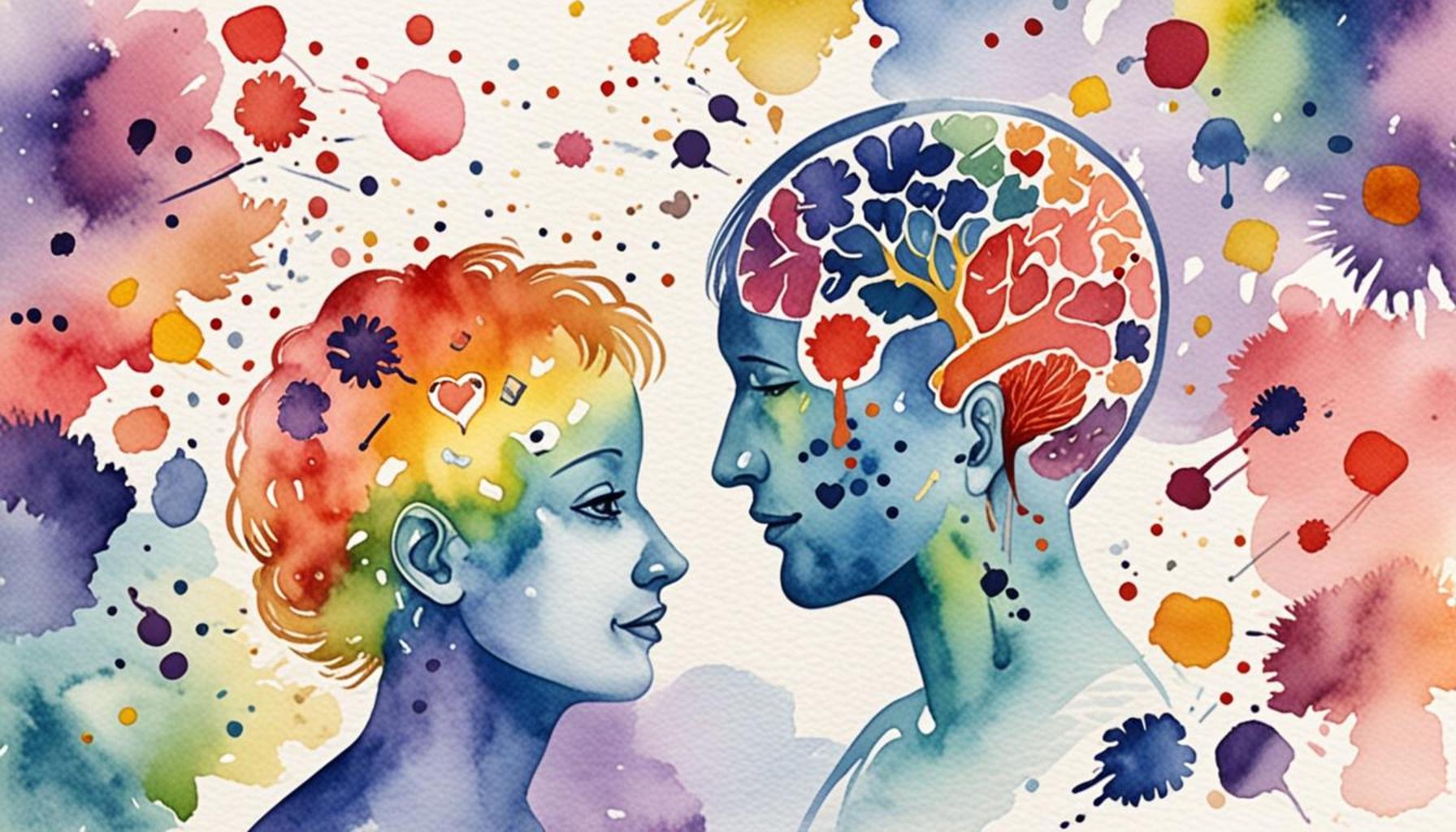
The Impact of Memory Games in Cognitive Rehabilitation
Memory games have emerged as a powerful tool in the realm of cognitive rehabilitation, especially for individuals recovering from brain injuries. These engaging activities not only entertain but also serve a vital therapeutic purpose, providing significant benefits for the cognitive and emotional wellbeing of patients.
Research highlights several key benefits of incorporating memory games into rehabilitation programs. First and foremost, these games can lead to improved memory retention. The repetitive nature of many memory games encourages consistent practice, which has been shown to enhance recall abilities over time. For instance, a study published in the journal *Neuropsychological Rehabilitation* demonstrated that participants engaging in memory tasks saw a marked increase in short-term and long-term memory capabilities.
Additionally, memory games promote an increased attention span. Many games demand sustained focus, which is essential for cognitive development. For example, games like “Simon Says” or complex card-matching games require players to remain attentive, which can help retrain the brain’s ability to concentrate. The more a person practices focusing through such games, the more effective they become at tasks requiring attention in daily life.
The social aspect of memory games cannot be overlooked. Many of these activities require social interaction, which fosters teamwork and communication skills among players. Activities such as group memory challenges or collaborative puzzle-solving not only stimulate the mind but also enhance social connections, which are essential for mental health during recovery.
For patients with brain injuries, the integration of memory games into rehabilitation strategies is particularly crucial. Rehabilitation may include customized game selection that addresses specific cognitive deficits. Occupational therapists can choose games tailored to individual needs, which can help target areas like verbal memory or visual recall. Additionally, progress tracking is vital; by monitoring a patient’s performance through various stages of gameplay, therapists can evaluate improvement over time and adjust therapeutic approaches accordingly.

Moreover, memory games lend themselves well to integration with other therapies. For instance, combining memory exercises with traditional physiotherapy can create a comprehensive rehabilitation approach. This holistic strategy not only aids cognitive recovery but also supports physical rehabilitation, making the healing process more effective.
As cognitive challenges become more prevalent among the population, the role of memory games in rehabilitation offers a promising pathway for recovery and enhancement of quality of life. This article explores the transformative potential of these games in cognitive rehabilitation for patients with brain injuries, uncovering strategies that can facilitate their healing journey and rekindle hope in life post-injury.
EXPLORE MORE: Click here to enhance your strategic skills
Unpacking the Benefits of Memory Games
Memory games are not merely pastimes; they are deeply beneficial exercises that contribute to the cognitive rehabilitation process for patients with brain injuries. These games can be strategically tailored to address specific cognitive impairments and help rebuild essential mental skills. Understanding the nuances of how memory games foster recovery provides insight into their vital role in rehabilitation programs.
One undeniable advantage of memory games is their ability to strengthen neuroplasticity, the brain’s capacity to reorganize itself by forming new neural connections. Particularly for those recovering from brain injuries, this property of neuroplasticity is invaluable. A study conducted by the American Psychological Association emphasizes that engaging in cognitive exercises, such as memory games, can stimulate brain regions associated with memory and attention, facilitating quicker recovery. This neuroplasticity allows damaged areas of the brain to be re-trained, leading to functional improvements.
In addition to neuroplasticity, memory games also provide measurable cognitive challenges that adjust to the player’s skill level. This adaptability is crucial for maintaining the motivation needed throughout rehabilitation. Some effective types of memory games include:
- Matching Card Games: Players must find pairs of cards with identical images, enhancing visual memory.
- Word Recall Games: Such games require players to remember and retrieve specific words, targeting verbal memory.
- Sequence Recall Games: Players must memorize increasingly complex sequences of items or numbers, boosting attention and working memory.
Another critical aspect of memory games lies in their potential for personalization. Occupational therapists can select or create games that cater to an individual’s unique cognitive deficits, enabling targeted practice in specific areas. For example, if a patient struggles with spatial memory, incorporating games that require them to visualize and recall the locations of objects may be beneficial. Furthermore, the introduction of different themes, such as familiar places or favorite hobbies, can make the activities more engaging and enjoyable for patients.
The structure of memory games also promotes motivation and engagement. Many patients may feel a sense of frustration or demotivation during rehabilitation due to the slow progress associated with recovery. Memory games can be adjusted to incorporate elements of fun and competition, offering a refreshing atmosphere that encourages patients to push through challenges without the pressure often felt in more traditional therapy settings. Setting small, achievable goals within these games can enhance a patient’s sense of accomplishment, fostering resilience and a positive attitude towards their rehabilitation journey.
To fully appreciate the impact of memory games, it’s essential to recognize their multifaceted role in cognitive rehabilitation. As we delve deeper, we will explore strategic approaches for integrating these activities into rehabilitative practices, highlighting best practices and innovative ideas that can optimize patient outcomes.
The Impact of Memory Games on Cognitive Rehabilitation: Strategies for Patients with Brain Injuries
When considering the rehabilitation journey for patients with brain injuries, incorporating memory games can play a pivotal role in enhancing cognitive function. One of the foundational strategies lies in the engagement that these games provide. Unlike traditional rehabilitation techniques, memory games foster an interactive environment that can stimulate cognitive processes in a fun and engaging way. This interaction not only makes therapy enjoyable but also encourages consistent practice, a crucial element for recovery.Incorporating various memory games tailored to different cognitive abilities has shown significant results. Games like matching pairs help improve visual memory while others focused on sequences challenge working memory. This targeted approach allows therapists to monitor progress over time, adapting the difficulty as the patient improves. Moreover, these memory challenges enhance not only cognitive function but also boost patients’ confidence and motivation as they achieve milestones in their recovery.Furthermore, social interaction is another critical aspect of cognitive rehabilitation. Playing memory games with family members or in group therapy settings fosters communication skills and strengthens social bonds, which can be equally important in the recovery process. It encourages patients to verbalize their thoughts, thereby reinforcing their cognitive skills in a supportive setting.Studies have shown that patients who regularly engage in memory games demonstrate improved attention span, problem-solving abilities, and overall cognitive resilience. By integrating these engaging tools into rehabilitation strategies, caregivers and therapists can provide a comprehensive approach that enhances outcomes for patients with brain injuries. To illustrate the multifaceted benefits of memory games further, consider the organized table below that categorizes these advantages effectively.
| Category | Key Features |
|---|---|
| Cognitive Stimulation | Encourages active engagement in cognitive tasks |
| Social Interaction | Facilitates communication and relationship-building |
| Progress Tracking | Allows monitoring and adapting difficulty based on improvement |
| Confidence Building | Encourages a sense of accomplishment in patients |
The advantages of memory games extend beyond mere entertainment; they are transformative tools that can significantly enhance cognitive rehabilitation programs for brain injury patients, making recovery a more engaging and effective experience.
DIVE DEEPER: Click here to enhance your strategic skills
Integrating Memory Games into Rehabilitation Programs
To maximize the benefits of memory games in cognitive rehabilitation, it is essential to understand how to effectively integrate these activities into therapeutic programs. Evidence from several studies suggests that a structured approach can enhance their effectiveness in fostering cognitive recovery. By employing targeted strategies, healthcare providers can create a robust framework for memory game implementation that adheres to individual patient needs.
One strategic method involves incorporating progressive difficulty levels into memory games. This approach allows patients to experience first-hand the sense of growth and achievement necessary for motivation. By starting with simpler games and gradually introducing more complex challenges, therapists can ensure that patients are not overwhelmed while still pushing their cognitive boundaries. For example, a patient might initially work on matching basic shapes before advancing to more intricate patterns or numbers, thereby progressively building both confidence and ability.
Furthermore, the integration of multisensory elements into memory games can significantly enhance engagement and retention. Studies demonstrate that incorporating different sensory modalities, such as sight, sound, and touch, can create stronger associations and aid memory recall. For instance, an interactive memory game could utilize textured card materials or auditory cues to reinforce connections between objects while also appealing to various learning styles. This technique not only makes the rehabilitation experience more immersive but also caters to diverse patient preferences.
To ensure that memory games remain relevant and impactful, therapeutic collaboration is a fundamental aspect to consider. Engaging patients in the selection of the games promotes ownership of their rehabilitation process. When patients participate in their treatment choices, it fosters an intrinsic motivation that can enhance their commitment to recovery. Occupational therapists can hold discussions with patients about their interests and goals, identifying the types of memory games that resonate most. This collaborative approach can lead to enhanced outcomes and sustained engagement throughout the rehabilitation journey.
In addition to personalized game selection, the incorporation of social interaction into memory game sessions can provide additional benefits. Group memory game activities can cultivate a supportive community among patients, reducing feelings of isolation and promoting emotional well-being. Research published in the Journal of Neuroscience suggests that social engagement during cognitive tasks can enhance brain function, particularly in areas related to memory. Therefore, therapists may consider designing game sessions that encourage teamwork or friendly competition, making cognitive rehabilitation not only effective but also enjoyable.
Moreover, incorporating technology in the form of digital memory games is becoming increasingly popular in rehabilitation settings. With the rise of smartphones and tablets, many applications are designed specifically for cognitive skills development. These digital platforms often allow for customization and tracking of progress, making it easier for therapists to monitor patient advancements and adjust gameplay accordingly. Moreover, such technology can bring a modern twist to traditional games, capturing the interest of younger patients who may benefit from a more playful approach to rehabilitation.
As memory games increasingly come to the forefront of cognitive rehabilitation, it becomes apparent that thoughtful integration of these activities can create a dynamic and effective therapeutic environment. By employing progressive difficulty levels, multisensory experiences, patient collaboration, social interaction, and technology, healthcare providers can unlock the full potential of memory games in supporting patients with brain injuries on their road to recovery. Recognizing and implementing these strategies can bolster the cognitive rehabilitation landscape and transform the patient experience.
DIVE DEEPER: Click here for insights on enhancing your decision-making skills
Conclusion
In summary, the integration of memory games into cognitive rehabilitation stands as a promising strategy for enhancing recovery among patients with brain injuries. By adopting a structured approach that encompasses various techniques, therapists can create engaging environments that not only stimulate cognitive functions but also empower patients throughout their rehabilitation journey. The use of progressively challenging levels, multisensory experiences, and therapeutic collaboration illuminates the pathway for personalized care, ensuring that therapy resonates with individual patient needs. Furthermore, the introduction of social interactions within group settings fosters emotional support, an essential element that often influences cognitive recovery.
The advancement of digital memory games also brings fresh opportunities to the rehabilitation landscape, adapting to the preferences of younger patients and those inclined towards technology. As the body of evidence supporting these approaches continues to grow, healthcare professionals are encouraged to stay informed and innovative in their methods, utilizing memory games not solely as tools for recovery but as avenues for social engagement and emotional healing.
Ultimately, by recognizing the significant impact that memory games can have on cognitive rehabilitation, stakeholders in the healthcare community will be better equipped to enhance patient outcomes. Continuous exploration and implementation of inventive strategies in memory gaming can significantly improve the experience of recovery, revealing that rehabilitation can be both effective and enjoyable.
Related posts:
Mathematical Puzzles as a Tool for Memory Improvement: Challenging the Brain with Numbers
Memory and Play: The Impact of Board Games on Information Retention
The Intersection of Memory Games and Mindfulness Techniques: Enhancing Concentration and Retention
The Role of Brain Training Apps in Improving Memory: Myth or Reality?
Memory Techniques and Games: How to Combine Traditional Approaches with Playful Challenges
Boost Memory with Puzzles Types Effectiveness Explored

Linda Carter is a writer and puzzle expert specializing in mind games, brain teasers, and cognitive challenges. With extensive experience helping individuals enhance their problem-solving skills and think critically, Linda shares her knowledge on our platform. Her goal is to empower readers with practical advice, engaging puzzles, and strategies to sharpen their minds and achieve success in the captivating world of mind games and puzzles.