Memory Techniques and Games: How to Combine Traditional Approaches with Playful Challenges

Unleashing Your Brain’s Potential
Memory is a powerful tool that shapes our daily lives. With the right techniques, we can enhance our cognitive abilities, improve learning, and retain information more effectively. But what if games could make this process not only efficient but also enjoyable?
Why Combine Memory Techniques and Play?
The fusion of traditional memory techniques with playful challenges offers numerous benefits:
- Engagement: Games motivate individuals to participate actively, making the learning process more exciting. For instance, interactive quizzes that reward players with points and levels can transform mundane facts into thrilling challenges.
- Retention: Fun environments aid in memory retention by associating emotions with learning experiences. Research suggests that when learners enjoy the material, they are more likely to recall the information long-term. A study conducted by the University of California found that participants who engaged with gamified learning retained 70% more information compared to traditional study methods.
- Social Interaction: Multiplayer games promote teamwork and friendly competition, enhancing social connections. Platforms such as Kahoot! enable users to create quizzes that can be played in groups, making it a perfect fit for classrooms or gatherings.
From the utilization of mnemonic devices like acronyms and visualization techniques to incorporating strategy-based challenges, countless options exist for enhancing memory through play. This article will explore various approaches that bridge the gap between traditional learning and interactive gaming, showcasing how they can be effectively implemented in everyday scenarios.
The Science Behind It
Research shows that the brain thrives on novelty and stimulation. Engaging in playful challenges not only provides entertainment but also fosters cognitive growth. By tapping into neuroplasticity, the brain’s ability to adapt and change, individuals can enhance synaptic connections that facilitate learning. Neuroscientific studies have demonstrated that playing certain types of video games can improve memory functions and problem-solving skills. For example, action games that require quick decision-making can sharpen focus and enhance spatial awareness.
This exploration of memory techniques and games leads us to innovative strategies that anyone can adopt. Whether it’s through mobile apps designed to challenge memory recall or board games that incorporate learning elements, there is a world of possibilities waiting to be discovered. By infusing play into the learning process, we not only make it enjoyable but also significantly effective, paving the way for better retention and understanding of new concepts.
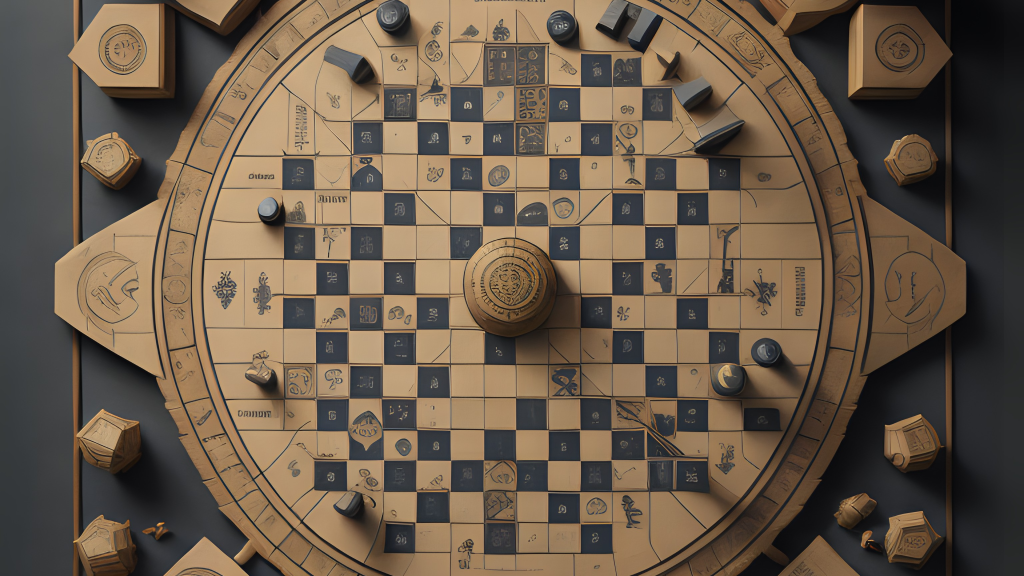
In conclusion, the integration of memory techniques with playful elements holds promise for enhancing cognitive abilities. As we continue to explore these methodologies, we uncover exciting new ways to learn and grow, transforming how we approach education in our rapidly evolving world.
DON’T MISS: Click here to enhance your strategic skills
Innovative Memory Techniques to Enhance Learning
To truly harness the potential of memory techniques combined with gaming, we must first explore some traditional approaches that have stood the test of time. These methods, when integrated with interactive elements, can create a formidable toolkit for improving retention and recall.
Traditional Memory Techniques
Several memory techniques have proven effective across generations. Here are a few foundational methods that can be adapted into playful formats:
- Mnemonics: This technique involves creating acronyms or phrases to remember complex information. For instance, the phrase “Every Good Boy Deserves Fun” aids music students in recalling the notes on the lines of the treble clef. Games can take this concept further by allowing users to create their own mnemonic challenges, turning learning into a fun competition.
- Visualization: The practice of picturing information can significantly enhance memory recall. By transforming abstract concepts into vivid images, learners can anchor facts more securely in their minds. Incorporating visualization into mobile games by prompting players to visualize certain scenarios can create a fun association with the concept.
- The Method of Loci: Also known as the memory palace technique, this method involves associating information with specific locations or landmarks. Players can engage in virtual reality environments where they navigate through a memory palace, finding clues that represent various facts or figures they need to remember.
These techniques have long been used in educational settings, but the integration of games offers a fresh approach that captivates learners’ attention. The combination can lead to a transformative experience, bridging the gap between passive learning and active engagement.
Gamification in Learning
The concept of gamification—the use of game elements in non-game contexts—has gained tremendous traction in recent years. By incorporating aspects like points, rewards, and challenges, traditional memory techniques can become more appealing. For example, educational apps like Quizlet utilize flashcard systems that users can customize, combining mnemonics with interactive quizzes that challenge memory recall in a fun format. Moreover, learning through gamified experiences can lead to a higher level of intrinsic motivation to study and retain new information.
Another fascinating example is the use of escape room themes in classroom settings, where students must solve puzzles based on memory techniques to “escape” within a set time. This approach not only reinforces retention through active problem-solving but also encourages collaboration among participants.
Ultimately, the integration of memory techniques and playful challenges can spark a new paradigm in education. By reshaping how we approach learning, we create opportunities for deeper understanding and longer-lasting memory retention. Embracing both traditional and innovative methods can unveil powerful strategies that empower learners to conquer even the most challenging subjects with ease and enjoyment.
| Memory Techniques | Description |
|---|---|
| Chunking | This method breaks down information into smaller, manageable units, making it easier to remember. For example, phone numbers are chunked into segments. |
| Mnemonic Devices | Using acronyms or phrases to associate with information helps in recall. For instance, PEMDAS stands for the order of operations in math. |
| Visualization | Creating mental images related to the information enhances memory retention. Visualizing a story can improve recollection of facts. |
| Games and Play | Incorporating games reinforces traditional techniques through interactive learning. Memory card games, puzzles, and quizzes engage learners, making retention fun and effective. |
Combining traditional memory techniques with playful challenges provides a holistic approach to learning. Memory games not only make the experience enjoyable but also enhance cognitive skills. Whether using chunking or mnemonic devices, integrating these methods into game formats can captivate users and encourage further exploration of memory improvement techniques. Research shows that playful learning fosters higher engagement and promotes knowledge retention, bridging the gap between serious study and enjoyable practice. As we dive deeper into this fusion of learning styles, one cannot overlook how the playful integration of memory strategies will reshape educational landscapes. This methodology inspires learners to not only retain information but also apply it effectively.
DISCOVER MORE: Click here to enhance your memory with puzzles
Engaging Games that Reinforce Memory Skills
In addition to integrating traditional memory techniques into gameplay, there are various types of games specifically designed to challenge and enhance memory skills. These games can serve as practical tools both in educational environments and for individual learners seeking to improve their cognitive capabilities.
Memory Puzzles and Brain Games
Memory puzzles, such as memory match games, have longstanding popularity for their ability to improve recall abilities. These games usually involve matching pairs of cards or tiles that are laid face down. Players must remember where each item is located, training their working memory. Online platforms like Lumosity and Peak offer a range of memory-enhancing games that blend entertainment with practical skills.
Furthermore, newer technology has embraced augmented reality (AR) to create immersive experiences. For example, apps like AR Flashcards allow students to interact with animated objects by pointing their device at a flat surface. The 3D visualizations can help reinforce educational concepts while keeping learners engaged in a visually striking way. Such dynamic interactions provide an exciting twist on traditional techniques, allowing learners to visualize and connect facts in captivating ways.
Storytelling and Role-Playing Games
Incorporating storytelling into memory games creates a narrative structure that enhances retention. Role-playing games (RPGs), such as Dungeons & Dragons, require players to interact with complex characters and plots, encouraging them to remember intricate details about their adventures. This storytelling element enhances memory recall because it fosters emotional connections with the material. When students are required to remember specific facts or phrases in the context of a story, they are significantly more likely to retain that information.
Beyond conventional settings, educational institutions are increasingly turning to gamified learning experiences for diverse subjects. For instance, history is taught through interactive simulations where students take on historical figures. As they navigate through scenarios, learners acquire context and anecdotal memories that solidify their understanding of events.
Competitive Learning Environments
New perspectives on education emphasize competition as a powerful motivator in retaining information. Trivia games and quiz competitions can offer learners the chance to engage with their peers in a fun and stimulating environment. Platforms for quizzes like Kahoot! allow educators to create personalized trivia game sessions wherein students face off, selecting answers in real-time. This approach not only promotes camaraderie but also fosters a deeper understanding of the subject matter through repeated exposure and recall under pressure.
Moreover, participation in competitive learning scenarios helps reinforce memory as players actively engage with the content rather than passively consuming it. Studies have shown that competition can spur greater neural activity, particularly in memory-related areas of the brain, emphasizing why integrating competition in learning environments can yield impressive results.
All these methods reinforce the idea that learning doesn’t have to be a tedious task. By queuing playful challenges alongside traditional approaches, learners are given the tools and frameworks necessary to thrive academically while having fun. As we navigate this new frontier in education, the combination of memory techniques and engaging games paves the way for more effective and enjoyable learning experiences.
DIVE DEEPER: Click here to discover more
Conclusion
The blend of traditional memory techniques with innovative, engaging games represents a transformative shift in educational methodologies. By leveraging the allure of play, educators and learners alike can foster an environment that prioritizes not just knowledge acquisition but also the enjoyment of learning. From classic memory match games that challenge recall capabilities to immersive augmented reality experiences that stimulate visual engagement, the potential for enhancing memory skills is vast.
Moreover, the narrative-driven approach found in storytelling and role-playing games enriches the learning experience, allowing for emotional connections that significantly improve memory retention. Likewise, the inclusion of competitive elements through platforms like Kahoot! adds another layer of motivation, as learners are encouraged to participate actively and collaboratively.
As research continues to unveil the neural implications of these methods, incorporating playful challenges into the learning framework not only lightens the arduous load of memorization but also transforms it into a delightful adventure of discovery. This fusion of play with traditional learning strategies opens up a world of possibilities, encouraging both educators and learners to explore creative pathways toward memory enhancement. Embracing this holistic approach to memory can lead to not only better academic performance but also a lifelong love for learning. As such, the call to action is clear: it is time to prioritize playfulness in educational practices, unlocking the full potential of memory techniques for generations to come.
Related posts:
Boost Memory with Puzzles Types Effectiveness Explored
The Impact of Memory Games on Cognitive Rehabilitation: Strategies for Patients with Brain Injuries
Gamification of Memory: The Impact of Interactive Challenges on Learning and Memory
The Benefits of Active Memory: How Memory Games Stimulate Creativity and Innovation
Memory and Technology: The Role of Digital Games in Improving Cognitive Functions
The Impact of Brain Games on Memory Retention in Older Adults

Linda Carter is a writer and puzzle expert specializing in mind games, brain teasers, and cognitive challenges. With extensive experience helping individuals enhance their problem-solving skills and think critically, Linda shares her knowledge on our platform. Her goal is to empower readers with practical advice, engaging puzzles, and strategies to sharpen their minds and achieve success in the captivating world of mind games and puzzles.