Gamification of Memory: The Impact of Interactive Challenges on Learning and Memory
Gamification is revolutionizing education by integrating interactive challenges that enhance memory retention and learning engagement. By employing game mechanics, students experience active participation, immediate feedback, and social interaction, resulting in improved knowledge recall and motivation. This innovative approach reshapes educational paradigms, making learning more effective and memorable.
The Benefits of Active Memory: How Memory Games Stimulate Creativity and Innovation
Engaging in memory games enhances active memory, boosting creativity and innovation. These activities improve problem-solving, concentration, and cognitive flexibility, making them vital for personal and professional growth. By fostering collaboration and emotional regulation, memory exercises unlock creative potential and cultivate an environment for innovative thinking.

Learning Strategies: How Memory Games Can Enhance Retention in Students
This article explores how memory games serve as innovative learning strategies that enhance retention in students. By promoting engagement and catering to diverse learning styles, these games improve cognitive skills and foster collaboration, ultimately transforming educational outcomes in classrooms. Embracing such techniques paves the way for deeper understanding and academic success.
The Evolution of Memory Games: From Tradition to Modern Apps
Memory games have evolved from traditional card-matching classics to modern mobile apps, enhancing cognitive skills through interactivity, customizable challenges, and social connectivity. This transformation highlights advancements in technology and offers engaging experiences for users of all ages, reinforcing their importance in cognitive development and mental health.

The Importance of Memory Games in Healthy Aging: Preventing Cognitive Decline
Memory games play a crucial role in healthy aging by enhancing cognitive function, fostering social interaction, and improving emotional well-being. Engaging in these activities can help prevent cognitive decline and enhance neuroplasticity, making them vital for maintaining mental agility and overall quality of life in older adults.
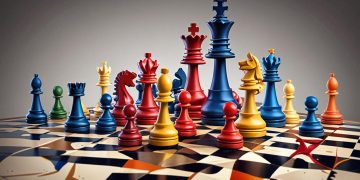
Analysis of Game Strategies in Chess Skills and Their Impact on Critical Thinking
Chess emerges as a vital tool for enhancing critical thinking skills through strategic game analysis. Players develop problem-solving, decision-making, and long-term planning abilities, which extend beyond the game. Research highlights improved academic performance and cognitive benefits, reinforcing chess's role in nurturing essential skills for personal and professional growth.

Memory Games and Social Connection: Strengthening Relationships Through Playful Activities
Memory games are powerful tools for enhancing social connection, promoting communication, and fostering emotional bonding among friends and family. These engaging activities provide cognitive benefits while creating happy memories, making them ideal for bridging relationship gaps in a fast-paced, digital world. Embrace playful activities to strengthen relationships through shared laughter and teamwork.

The Intersection of Memory Games and Mindfulness Techniques: Enhancing Concentration and Retention
Explore how integrating memory games with mindfulness techniques can significantly enhance concentration and retention. This synergistic approach fosters cognitive clarity, boosts memory recall, and reduces stress, paving the way for improved learning and cognitive performance in our distraction-filled lives. Embrace this holistic strategy for sharper mental acuity.

Developing Strategic Intuition Through Mystery and Deduction Games
Mystery and deduction games uniquely foster strategic intuition by blending critical thinking, problem-solving, and teamwork. Engaging in these games enhances cognitive skills like analytical reasoning and creative problem-solving, providing players the tools to navigate real-life complexities and improve decision-making in personal and professional contexts.
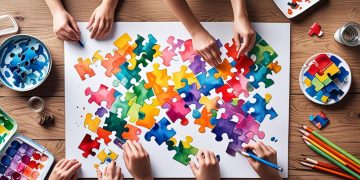
Developing Strategic Thinking Skills Through Modern Puzzles
The article explores how modern puzzles enhance strategic thinking skills, offering various types—logic puzzles, strategy games, and escape rooms—that foster cognitive flexibility and problem-solving. Engaging with these puzzles not only entertains but also equips individuals with valuable real-world skills essential for personal growth and professional success.