
The relationship between mathematical puzzles and the development of critical thinking in youth
Mathematical puzzles enhance critical thinking in youth by promoting analytical skills, persistence, and creativity. Engaging with these challenges fosters problem-solving abilities essential for navigating real-world complexities, encouraging a culture of lifelong learning. Integrating puzzles into education empowers students to develop the cognitive flexibility necessary for future success in various fields.
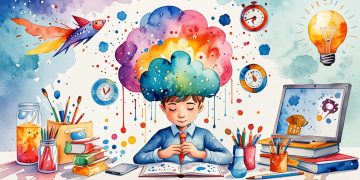
How the gamification of cognitive challenges can increase motivation in educational environments
Gamification in education enhances motivation by transforming cognitive challenges into engaging, game-like experiences. By integrating competition, collaboration, and personalized learning, educators can foster a dynamic classroom environment. This innovative approach not only boosts student engagement but also develops essential problem-solving skills for future success.

The relationship between chess practice and the improvement of working memory in students
Chess practice significantly enhances working memory in students, fostering critical thinking, problem-solving, and emotional resilience. Engaging with chess not only sharpens cognitive skills but also promotes collaboration and communication, ultimately benefiting academic performance and personal growth. Its integration into educational curricula presents a powerful tool for cognitive enhancement.
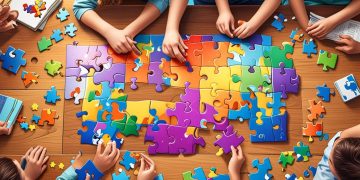
How Interactive Puzzle Games Can Stimulate Collaboration and Learning in School Groups
Interactive puzzle games enhance collaboration and learning in school groups by fostering teamwork, critical thinking, and effective communication. These engaging activities create a dynamic environment where students work together to solve problems, develop interpersonal skills, and improve academic performance, making learning both fun and impactful.

The role of strategy games in promoting logical thinking in young adults
Strategy games play a vital role in enhancing logical thinking among young adults. By fostering critical analysis, problem-solving, and decision-making skills, these games not only entertain but also prepare players for real-world challenges. Engaging in strategic gameplay promotes teamwork, leadership, and resilience, essential skills for success in academic and professional environments.

How Reasoning Challenges Can Improve Cognitive Resilience in Students
Reasoning challenges enhance cognitive resilience in students by fostering critical thinking, problem-solving abilities, and emotional intelligence. Engaging in these tasks promotes adaptability and collaboration, equipping learners with essential skills for navigating complex situations. Integrating reasoning challenges within educational frameworks prepares students for academic success and future uncertainties.
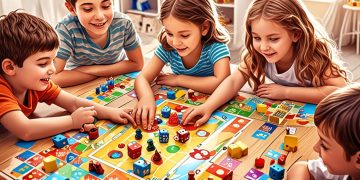
The role of cooperative board games in the development of social and cognitive skills in children
Cooperative board games significantly enhance children's social and cognitive skills by promoting teamwork, communication, and problem-solving. These engaging games foster empathy and emotional intelligence, equipping kids with essential life skills that extend beyond play, ultimately preparing them for successful interactions in academic and social environments.
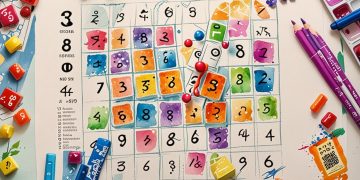
The connection between Sudoku practice and the increase in concentration capacity in adolescents
Engaging in Sudoku can significantly enhance concentration capacity in adolescents. Regular practice sharpens problem-solving skills, improves attention span, and fosters cognitive resilience. This enjoyable puzzle serves as an effective tool for combating distractions in the digital age, ultimately preparing teens for academic success and greater mental agility.

Boost Adult Cognitive Skills Logic Games Impact and Benefits
Mind games and puzzles are essential for boosting cognitive skills in adults, enhancing memory, concentration, and problem-solving abilities. Engaging in logic games not only sharpens the mind but also provides relaxation and stress relief, making them a valuable tool for mental health and personal development.

How Puzzles Boost Creativity and Problem Solving in Kids
Mind games and puzzles ignite children's creativity by enhancing critical thinking and fostering innovation. These activities improve concentration, boost analytical skills, and encourage adaptive learning. As kids solve puzzles, they learn to approach problems creatively, making them better equipped to tackle complex challenges.