Cognitive Challenges: Puzzles that Improve Memory at All Ages

The Cognitive Benefits of Engaging with Puzzles
Engaging with cognitive challenges has become a vital pursuit for individuals of all ages. Whether you’re a child in school, a busy professional, or enjoying retirement, enhancing your memory and cognitive skills is essential to maintaining mental agility. In an era where mental fitness is increasingly recognized as important as physical health, puzzles serve as an effective tool for mental exercise.
Research has shown that solving puzzles can lead to significant benefits, including:
- Improved Memory: Engaging regularly with puzzles boosts recall and retention, making it easier to remember names, dates, and other essential information.
- Enhanced Problem-Solving Skills: Working through complex puzzles develops critical thinking and encourages innovative solutions to everyday challenges.
- Increased Focus: Puzzles require concentration, thereby training our ability to sustain attention over extended periods, which translates to improved productivity in work and personal life.
From crossword puzzles to Sudoku, these engaging brain exercises stimulate various areas of the brain. They not only provide an enjoyable way to pass the time but also enhance mental connectivity. For families, solving puzzles together can become a cherished bonding activity where members of varying ages can collaborate and support each other through challenges.
Puzzles for Different Age Groups
For instance, puzzles designed specifically for children can:
- Encourage creative thinking by challenging them to find multiple solutions, improving their ability to think outside the box.
- Enhance vocabulary and language skills, particularly with word searches and crossword puzzles that introduce new terminology in a fun way.
Meanwhile, activities aimed at seniors focus on:
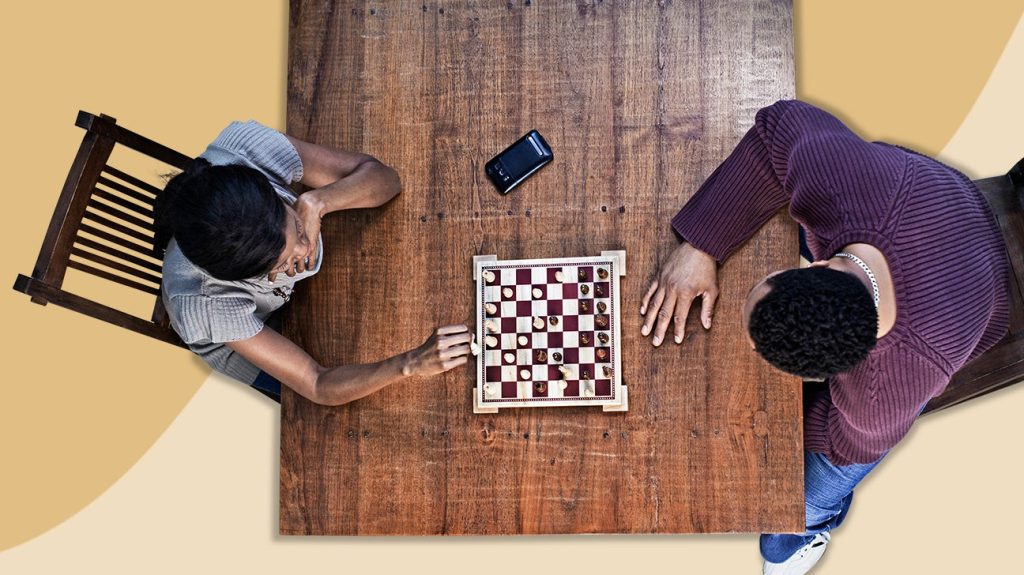
- Maintaining cognitive function, keeping the brain active and engaged, which is critical as they navigate longer lifespans.
- Reducing the risk of memory-related issues such as dementia or Alzheimer’s by fostering neural connections through regular brain workouts.
As we navigate through our daily lives, integrating these mental workouts into our routines can pave the way for a sharper mind and a more fulfilling life. Whether it’s through daily crossword puzzles accompanying your morning coffee, engaging in an afternoon Sudoku challenge, or collaborating on jigsaw puzzles during family gatherings, there are countless ways to reap the cognitive benefits offered by these stimulating activities. Discover the myriad ways puzzles can transform your cognitive abilities, regardless of your age, and challenge yourself to take this exciting journey into the intricacies of your own mind!
DISCOVER MORE: Click here to delve deeper
Types of Puzzles That Enhance Cognitive Abilities
As the importance of cognitive health becomes more widely recognized, various types of puzzles have emerged, each offering unique benefits tailored to different age groups and cognitive needs. These brain teasers do more than entertain; they act as effective tools for enhancing memory and mental agility. An exploration of specific puzzles reveals the variety of options available to individuals looking to challenge themselves and improve their cognitive functions.
Crossword Puzzles: A Vocabulary Builder
One of the most beloved forms of puzzles, crossword puzzles, has captivated audiences for decades. These word-centric challenges require both general knowledge and creative thinking, making them ideal for individuals aiming to enhance their vocabulary and retention skills. Studies have indicated that regular engagement with crossword puzzles can improve not only vocabulary but also the ability to recognize patterns in language, greatly benefiting literacy skills across all ages.
Sudoku: Logical Reasoning and Pattern Recognition
Sudoku has emerged as a quintessential logic-based puzzle that sharpens mathematical skills and enhances concentration, particularly among adults. The objective of filling a grid with numbers requires players to employ deductive reasoning and critical thinking, which are essential components of cognitive functioning. Research suggests that engaging in Sudoku regularly can significantly bolster spatial reasoning and problem-solving capabilities, making it a valuable tool for both young learners and seniors. With variations ranging from easy to extremely challenging, Sudoku puzzles are accessible to all age brackets.
Jigsaw Puzzles: Visual-Spatial Skills and Memory Retention
Jigsaw puzzles serve as a fantastic medium for fostering collaboration and communication amongst families and groups. These tactile puzzles challenge participants to assemble pieces into a cohesive image, requiring not only visual-spatial skills but also patience and persistence. Engaging in jigsaw puzzles can lead to improvements in memory retention, as the brain must recognize and recall shapes and colors to achieve the end goal. More importantly, the social aspect of completing these puzzles together provides an opportunity for intergenerational bonding, enhancing emotional well-being alongside cognitive development.
Logic Puzzles: Sharpening Critical Thinking
Another avenue for cognitive enhancement is through logic puzzles, which include riddles, brain teasers, and mathematical scenarios that require critical thinking and analysis. These challenges encourage players to think outside the box, refining their problem-solving skills in a fun yet demanding way. Individuals who regularly tackle logic puzzles may experience improved abilities in analytical thinking, which translates well into real-life decision-making scenarios, from managing finances to everyday strategic planning.
In conclusion, the variety of puzzles available today caters to diverse interests and cognitive needs, ensuring that people of all ages can maintain their mental fitness. With numerous choices like crossword puzzles, Sudoku, jigsaw puzzles, and logic puzzles, individuals can embark on an exciting journey to enhance their cognitive abilities, improve memory retention, and foster social connections, all while having fun.
| Advantage | Description |
|---|---|
| Enhances Cognitive Skills | Puzzles stimulate various brain functions, enhancing skills such as problem-solving and critical thinking. |
| Improves Memory Retention | Engaging with cognitive challenges boosts memory retention, even showing benefits for individuals of all ages, from children to the elderly. |
Puzzles are not just entertaining; they serve as powerful tools for cognitive development across the lifespan. By engaging in various forms of cognitive challenges, people can experience a range of benefits that contribute to greater mental agility. For instance, activities like crossword puzzles or Sudoku not only spark creativity but also foster sharper analytical abilities, which are essential in everyday decision-making.Moreover, studies indicate that regular participation in memory-enhancing activities can have a lasting impact on long-term cognitive health. Older adults who regularly engage in such puzzles have shown a decreased rate of cognitive decline, indicating that the brain remains capable of growth and adaptation, even in later stages of life. Thus, whether you are enhancing a child’s learning experience or maintaining cognitive health in aging adults, introducing puzzles can be a fun and effective strategy. Explore the world of cognitive puzzles and witness the remarkable effects they can bring!
DISCOVER MORE: Click here to learn about cognitive skills enhancement
The Impact of Digital Puzzles on Cognitive Development
In the age of technology, digital puzzles have gained immense popularity, providing a modern twist on traditional brain teasers. These online and app-based challenges are not only engaging but also enhance cognitive skills by offering endless variety and convenience. Digital puzzles, such as mobile crossword apps and interactive Sudoku games, appeal to a broader audience, particularly younger generations who are often glued to their screens. But do these digital formats truly deliver cognitive benefits comparable to their analog counterparts?
Mobile Brain Games: A New Wave of Learning
Recent studies have shown that mobile brain games can be equally, if not more effective, in improving memory and cognitive abilities. Applications like Elevate and Lumosity offer a plethora of challenges designed by neuroscientists to target specific cognitive skills, including memory, attention, and problem-solving. Users can track their progress over time, fostering a sense of achievement that further encourages participation. This gamified aspect not only makes learning enjoyable but has also been praised for its ability to keep younger players engaged for longer periods.
Online Puzzle Communities: A Social Dimension
Digital puzzles often possess a rich social component, enabling users to connect with friends and other puzzle enthusiasts. Platforms like Puzzazz and Crossword Compiler integrate social features that allow users to share their scores, collaborate on challenges, or even compete against one another. This social interaction not only adds a layer of motivation but also cultivates cognitive skills through communal problem-solving. Engaging with others in this manner can help reinforce learning, making cognitive enhancement a byproduct of shared experiences.
Brain Training Websites: Comprehensive Cognitive Enhancement
Websites dedicated to brain training offer a multifaceted approach to mental fitness. Platforms such as Peak and Brain Metrix feature a wide variety of puzzles, including memory games, sequence-solving tasks, and logic challenges, tailored to different age groups. By regularly practicing different types of puzzles, users can experience significant improvements in both short-term and long-term memory. According to research published in the journal Cognitive Training, individuals participating in consistent brain training sessions reported enhancements in cognitive flexibility—a skill highly beneficial for adapting to new information and situations.
The Benefits of Regular Puzzle Engagement
Engaging in puzzles of all forms—digital and print—has become increasingly supported by scientific evidence, highlighting the positive correlation between cognitive challenges and mental health. A study conducted by the National Institute on Aging revealed that participants who engaged in brain exercises regularly demonstrated a reduced risk of cognitive decline. The findings concluded that whether one opts for traditional puzzles like crosswords or interactive digital games, the key lies in consistency and a willingness to embrace the challenge.
With the ever-evolving landscape of cognitive puzzles, it is clear that options are abundant for individuals seeking to improve their mental fitness. Diverse formats, including digital brain games, online puzzle communities, and brain training websites, cater to various interests and preferences, making cognitive enhancement accessible to people of all ages. As technology continues to advance, the prospects for engaging with puzzles will only grow, opening new avenues for improving memory and cognitive abilities in an increasingly stimulating world.
DIVE DEEPER: Click here to learn about strategic thinking in board games
Conclusion: Unlocking the Power of Puzzles
The exploration of cognitive challenges through puzzles has illuminated a path towards enhancing memory and cognitive skills across all age groups. As we have seen, engaging with both traditional and digital puzzles can significantly impact cognitive development, showcasing the versatility and accessibility of these activities. From mobile brain games that cater to modern learners to the community-driven spirit of online puzzle platforms, there is something for everyone looking to sharpen their mental acuity.
What sets puzzles apart is their unique ability to blend enjoyment with learning, fostering an environment where users not only challenge themselves but also reap tangible benefits in memory retention and cognitive flexibility. Research from reputable institutions, like the National Institute on Aging, continues to affirm that regular participation in such activities can combat cognitive decline, thus supporting long-term mental health.
As we navigate an increasingly fast-paced and complex world, the emphasis on maintaining a sharp mind becomes ever more crucial. The multitude of options—from classic crosswords to innovative brain training apps—ensures that individuals can find engaging ways to incorporate these cognitive challenges into their daily routines. By making puzzles a consistent fixture in our lives, we can cultivate our mental prowess, paving the way for a future enriched by lifelong learning and cognitive resilience. In a world where the mind is our most valuable asset, let us embrace the challenge and unlock our potential, one puzzle at a time.
Related posts:
Memory and Play: The Impact of Board Games on Information Retention
Boost Memory with Puzzles Types Effectiveness Explored
Learning Strategies: How Memory Games Can Enhance Retention in Students
Visual Memory and Puzzle Games: How Images Stimulate Data Retention
The Evolution of Memory Games: From Tradition to Modern Apps
The Influence of Music in Memory Games: Enhancing Cognitive Performance

Linda Carter is a writer and puzzle expert specializing in mind games, brain teasers, and cognitive challenges. With extensive experience helping individuals enhance their problem-solving skills and think critically, Linda shares her knowledge on our platform. Her goal is to empower readers with practical advice, engaging puzzles, and strategies to sharpen their minds and achieve success in the captivating world of mind games and puzzles.