Developing Critical Thinking Skills Through Challenging Puzzles
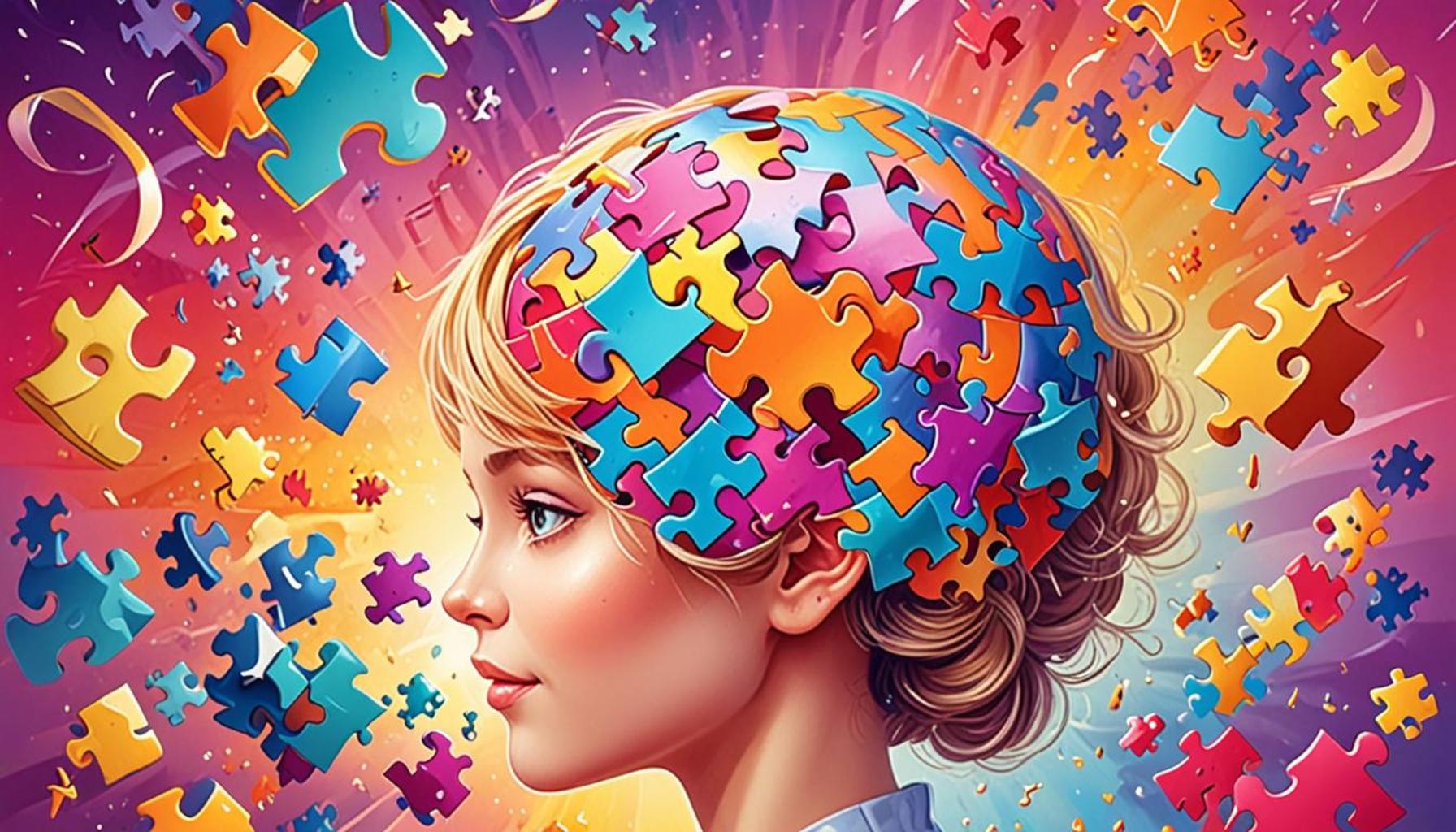
Unlocking Minds with Puzzles
In today’s fast-paced world, the ability to think critically is more important than ever. Challenging puzzles have emerged as effective tools for enhancing these essential skills. They not only stimulate the mind but also foster problem-solving abilities.
Why Puzzles Matter
Engaging with puzzles offers numerous benefits, playing a crucial role in intellectual development and mental agility. Here are some key advantages:
- Improved Analytical Skills: Analyzing patterns and deducing solutions from clues can significantly sharpen your reasoning ability. For instance, when solving logic puzzles, one must identify connections between different clues, fostering a systematic approach to problem-solving.
- Enhanced Creativity: Puzzles encourage thinking outside the box, leading to innovative solutions. When faced with a seemingly impossible crossword clue, for example, the brain is prompted to explore various vocabulary and lateral thinking skills, promoting creative connections across different knowledge areas.
- Increased Perseverance: Overcoming difficult challenges builds resilience and determination. The satisfaction derived from completing a complex jigsaw puzzle or mastering a challenging Sudoku grid reinforces the idea that persistence often pays off, a valuable lesson transferable to various aspects of life.
Puzzles in Everyday Life
From crosswords to Sudoku, puzzles are an integral part of American culture. These engaging activities can be found in various facets of daily life:
- Daily Newspapers: Many people kickstart their mornings with a cup of coffee and a crossword puzzle. This daily ritual not only stimulates the mind but also provides a platform for social interaction as friends and family share tips and compete for completion times.
- Board Games: Family game nights often feature thought-provoking challenges like Clue or Ticket to Ride. These not only serve as entertainment but also as educational tools, encouraging strategic thinking and collaborative problem-solving among family members of different ages.
- Mobile Apps: The digital age has birthed a plethora of puzzle apps like 2048 and Flow Free, providing convenience and instant access for busy individuals. These apps cater to various skill levels, allowing users to gradually increase their difficulty and hone their skills during short breaks throughout the day.
By incorporating these brain-teasers into your routine, whether through traditional newspapers or modern digital platforms, you can cultivate a more critical mindset. The journey towards enhanced critical thinking begins with a puzzle challenge, proving that engaging the mind with these activities can lead to profound personal development and greater success in problem-solving in both personal and professional realms.
DISCOVER MORE: Click here to enhance your memory with puzzles
The Cognitive Benefits of Engaging with Puzzles
As we delve deeper into the world of puzzles, it’s crucial to understand how these brain-teasers contribute to developing critical thinking skills. Through a combination of strategy, logic, and creativity, puzzles challenge our minds in ways that traditional learning methods often overlook. This engagement not only enhances our cognitive abilities but also translates into improved decision-making skills across various domains of life.
How Puzzles Enhance Critical Thinking
Puzzles can be categorized into various types, such as logic puzzles, crossword puzzles, and brain teasers, each promoting critical thinking in unique ways. Here are some of the cognitive enhancements one can expect from regular engagement with these challenging activities:
- Logical Reasoning: Solving a puzzle often requires drawing logical conclusions based on available information. For example, a classic Sudoku challenges players to use deductive reasoning to fill in empty squares, reinforcing the ability to make sound judgments based on given parameters.
- Pattern Recognition: Many puzzles involve identifying patterns or sequences that may not be immediately obvious. This skill is particularly useful in fields such as mathematics and computer science, where recognizing relationships can lead to innovative solutions and breakthroughs.
- Decision-Making Under Pressure: Time constraints often accompany certain puzzle formats, such as timed crossword challenges or escape room scenarios. These situations cultivate the ability to make quick decisions despite pressure, mirroring real-world environments where timely judgment is critical.
- Adaptability: Puzzles frequently require players to adapt their strategies based on the evolving complexity of the challenge. This adaptability is essential in both personal and professional settings, where circumstances can shift unexpectedly, necessitating alternative approaches to problem-solving.
Examples of Puzzles that Enhance Critical Thinking
There is a vast array of puzzles available, each designed to hone different aspects of critical thinking. Some notable examples popular among puzzle enthusiasts include:
- Logic Grids: These require players to make inferences based on a series of clues, often leading to a final solution that is only attainable through careful analysis.
- Crossword Puzzles: Engaging with words in creative ways not only strengthens vocabulary but also encourages lateral thinking, which is vital for creative problem-solving.
- Math Puzzles: By challenging numerical intuition and application, math puzzles develop both analytical and critical thinking skills simultaneously.
Exploring these puzzles fosters an environment where critical thinking can flourish. As you integrate puzzle-solving into your day-to-day activities, you’ll find that the lessons learned extend beyond the realm of fun and games, impacting decision-making and problem-solving capabilities, enhancing both personal and professional life outcomes.
Developing Critical Thinking Skills Through Challenging Puzzles
Engaging in puzzles extends beyond mere entertainment; it is a profound path to enhancing one’s critical thinking skills. Puzzles encourage the brain to develop new neural connections, thereby sharpening cognitive abilities that are crucial in decision-making processes. The act of solving complex problems enhances logical reasoning, increases adaptability, and fosters a mindset geared towards innovative solutions.
Moreover, the process of working through challenging puzzles cultivates perseverance. Individuals learn to approach problems from various angles and to remain determined despite obstacles. This resilience translates into real-world situations, where critical thinking becomes essential for navigating challenges and making informed choices.
The diverse range of puzzles available—from logic-based challenges to intricate crosswords—ensures that individuals can find activities that resonate with their personal interests, thereby increasing engagement and motivation. As you immerse yourself in the world of puzzles, you become not just a solver, but a thinker—empowered to tackle life’s complexities with a sharpened intellect.
| Advantages | Description |
|---|---|
| Improved Problem-Solving | Puzzles challenge you to think creatively and critically, enhancing your ability to tackle problems effectively. |
| Enhanced Cognitive Abilities | Regular puzzle-solving helps in strengthening memory, attention span, and logical reasoning which are essential in critical thinking. |
As the journey through challenging puzzles unfolds, you will likely find yourself becoming not only a better critical thinker but also a more innovative and strategic individual, equipped to face a variety of challenges. Dive into the world of puzzles and unlock your potential today!
DISCOVER MORE: Click here to enhance your memory with puzzles
The Social and Emotional Aspects of Puzzle Solving
While the cognitive benefits of puzzles are certainly noteworthy, it’s essential to recognize that they also foster important social and emotional skills that are critical for holistic development. Engaging with puzzles can be a communal experience, one that encourages collaboration and communication. This dual aspect not only enhances critical thinking but also supports emotional intelligence, which is often overlooked in traditional educational settings.
Collaboration and Teamwork
Puzzles can serve as catalysts for collaboration, as many are designed to be tackled by groups. Consider the rise of escape rooms, where teams must work together to solve a series of interconnected puzzles in a race against the clock. This environment fosters cooperation, as participants must share information and contribute their unique perspectives to arrive at solutions. The act of communicating clearly, listening to others, and combining individual strengths can have profound impacts on team dynamics, modern workplaces, and problem-solving methodologies.
Emotional Resilience
Encountering challenges in puzzles can also build emotional resilience. When faced with difficult puzzles, one learns to cope with frustration and setbacks. For instance, a player may spend significant time working on a particularly tough crossword or logic puzzle, only to find that their solutions don’t work out. Navigating this emotional rollercoaster teaches the importance of patience and persistence, vital traits in both everyday life and professional environments. These experiences cultivate a growth mindset, allowing individuals to view obstacles as opportunities for learning rather than insurmountable barriers.
The Impact on Academic Performance
Research has shown a positive correlation between puzzle engagement and academic performance, especially in fields that require critical thinking, such as mathematics and science. Students who participate in puzzle-based activities tend to have stronger problem-solving skills, which can lead to improved outcomes in standardized testing and other assessments. Furthermore, the integration of puzzles into educational curricula has gained popularity, with educators employing them to stimulate student interest and encourage active learning. Schools that have adopted this method report increased student engagement and a keen enthusiasm for subjects traditionally viewed as challenging.
Building a Life Skill Toolkit
The skills cultivated through puzzle solving extend well beyond mere entertainment. Critical thinking, adaptability, and emotional intelligence come together to form a comprehensive toolkit that individuals can draw upon in various aspects of life. Whether it’s navigating complex workplace challenges, managing personal relationships, or engaging in civic duties, the skills acquired through puzzling can significantly enhance one’s capacity for effective problem-solving.
As puzzles continue to evolve with technological advancements, from mobile apps to virtual reality experiences, the accessibility of these critical thinking exercises is greater than ever. Anyone can jump into the world of puzzles, irrespective of age or background, and begin reaping the benefits. The integration of challenging puzzles into our daily lives not only nurtures our intellectual abilities but also equips us with essential tools for personal and communal growth, steering us towards becoming more sophisticated thinkers and communicators.
DISCOVER MORE: Click here to enhance your strategic play
Conclusion: The Transformative Power of Puzzles
In today’s fast-paced world, the importance of developing critical thinking skills cannot be overstated, and engaging with challenging puzzles serves as a powerful tool in this endeavor. Throughout this exploration, we’ve seen how puzzles stimulate not only cognitive reasoning but also enhance vital social and emotional skills. By promoting collaboration, patience, and resilience, puzzles prepare individuals to navigate the complexities of both personal and professional landscapes.
The correlation between puzzle-solving and academic performance highlights the valuable role these activities play in the learning process. As educators increasingly incorporate puzzle-based methods into curricula, students stand to gain a deeper understanding of challenging subjects while simultaneously sharpening their analytical abilities.
Moreover, the versatility of puzzles—from traditional jigsaw to modern escape rooms—ensures that they remain engaging and accessible for all age groups. This accessibility opens up avenues for communal bonding, as families and friends come together to tackle problems, fostering a sense of connection and teamwork.
In essence, integrating puzzles into our daily lives not only nurtures intellectual curiosity but also equips us with a robust toolkit for success in various life challenges. As we embrace the joys of puzzling, we foster an environment ripe for critical thinking and emotional growth. The next time you pick up a puzzle, remember it’s not just a pastime—it’s an opportunity for personal development and a step towards becoming a more discerning thinker.
Related posts:
Exploring the Connection Between Mind Games and Resilience in Problem Solving
The Influence of Strategy Games on Decision-Making Abilities in Real-Life Problem Solving
Developing Problem-Solving Skills Through Puzzles and Strategy Games
The Role of Non-Traditional Puzzles in Enhancing Lateral Thinking Skills
Investigating How Visual Puzzles Can Enhance Spatial Reasoning in Problem Solving
How Escape Rooms Enhance Critical Thinking and Collaborative Problem-Solving Skills

Linda Carter is a writer and puzzle expert specializing in mind games, brain teasers, and cognitive challenges. With extensive experience helping individuals enhance their problem-solving skills and think critically, Linda shares her knowledge on our platform. Her goal is to empower readers with practical advice, engaging puzzles, and strategies to sharpen their minds and achieve success in the captivating world of mind games and puzzles.