How Competitive Puzzle Solving Can Boost Confidence in Real-Life Challenges
The Transformative Power of Puzzle Solving
Engaging in competitive puzzle solving is not merely about piecing together images or words; it serves as an innovative platform for fostering personal growth. This mental sport, revered by enthusiasts, boasts a myriad of benefits that go well beyond the realm of puzzles, impacting various facets of life. The cognitive skills developed through this engaging pastime can lead to substantial improvements in everyday scenarios, ultimately enhancing one’s quality of life.
Cognitive Skills Enhanced Through Puzzles
- Critical Thinking: Competitive puzzle solvers must quickly analyze complex patterns and data while often under pressure. For example, when faced with a crossword puzzle, participants have to consider not only the individual clues but also how they interconnect with other words. This demands a high level of critical analysis and quick decision-making, skills that are transferable to academic and professional settings.
- Problem-Solving: Each puzzle presents unique challenges that require innovative approaches to overcome. For instance, solving a Sudoku puzzle requires understanding numerical patterns and logical sequences. This experience hones one’s ability to navigate real-life dilemmas, making difficult decisions seem less daunting.
- Time Management: Many puzzle competitions have a strict time limit, pushing participants to optimize their efficiency in solving. This can mirror workplace situations where deadlines are critical. By managing time effectively in these high-pressure environments, individuals can improve their performance and productivity across various tasks.
The Emotional Boon from Puzzle Solving
As individuals engage with these intricate challenges, they also experience a profound transformation on an emotional level. The skills acquired through competitive puzzle solving can lead to:
- Increased Self-Esteem: Successfully conquering a particularly difficult puzzle instills a sense of achievement. For many, this feeling cascades into other areas such as job performance, where the confidence gained from solving complex puzzles may encourage individuals to take on more significant challenges at work.
- Improved Resilience: The setbacks encountered along the way teach valuable lessons about persistence. Learning to approach a failed attempt at a puzzle with a mindset of learning rather than frustration contributes to a resilient character. This resilience translates to personal relationships and professional environments, where setbacks are inevitable.
- Enhanced Social Skills: Competing against others often necessitates teamwork, particularly in team-based puzzle competitions. This fosters communication skills and the ability to collaborate effectively, which are paramount in both social interactions and professional dynamics.
Applying Skills in Real Life
In a world characterized by rapid change and complexity, the cognitive and emotional advantages gained through competitive puzzle solving are invaluable. Whether navigating challenges in the boardroom or enhancing interpersonal relationships, the toolkit developed from puzzling can empower individuals to address obstacles with renewed confidence and vigor. By embracing this engaging mental sport, individuals not only sharpen their minds but also nurture their emotional well-being, leading to a more fulfilled and empowered life.
DISCOVER MORE: Click here to uncover the benefits of puzzles
Building Confidence Through Competitive Puzzle Solving
The journey of unlocking the potential of competitive puzzle solving extends far beyond the confines of strategy and timing—it’s a profound exercise in self-discovery. As individuals immerse themselves in this intricate world, they are greeted with opportunities to boost their self-confidence in ways they might not have anticipated. Each puzzle solved signifies a victory, a moment of clarity amid complexity, that can spark a transformational shift in personal and professional realms.
Embracing the Challenge
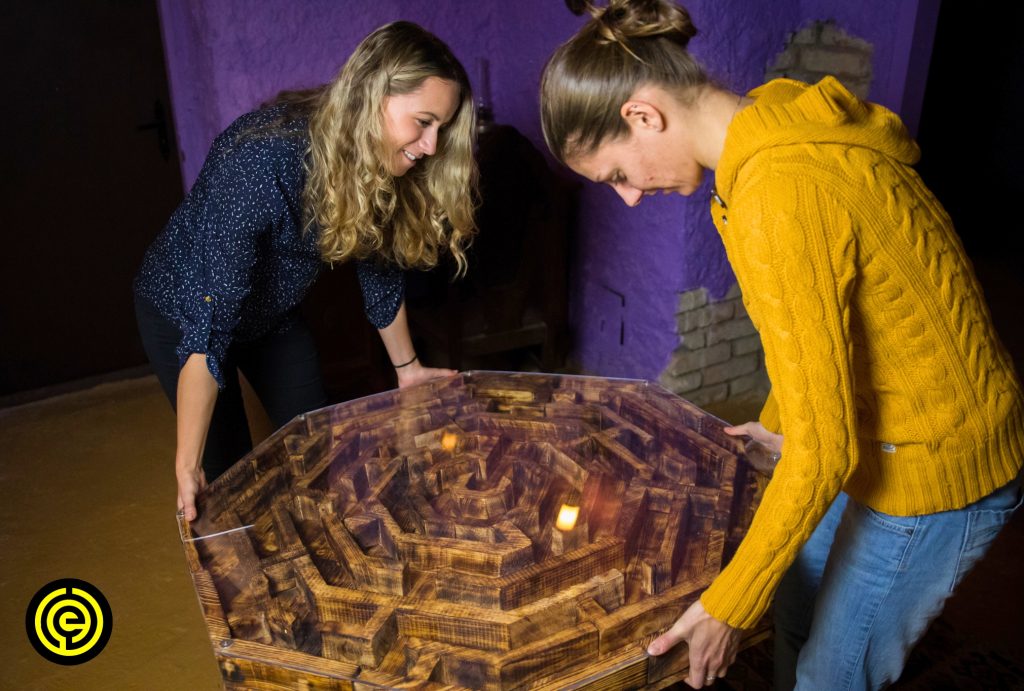
One of the most compelling aspects of competitive puzzle solving is the emphasis on embracing challenges. Participants are often thrust into situations where they must confront uncertainty, a setting that mirrors real-life scenarios. For example, during a trivia competition or a team-based escape room challenge, solvers must quickly adapt to evolving questions and obstacles. This environment cultivates a mindset of adaptability, enabling individuals to approach challenges outside the puzzle realm with greater confidence and resilience.
- Dealing with Complexity: Puzzles often present multifaceted problems that require solvers to cultivate a diverse set of strategies. In doing so, they learn to dissect complex issues into manageable components, a skill that’s essential for tackling intricate projects at work or navigating personal dilemmas.
- Finding Solutions Under Pressure: The thrill of competition leads to rapid problem-solving under time constraints. This experience prepares solvers for high-stress situations encountered in their careers or daily life, where quick decision-making can be crucial. The ability to remain calm while tackling pressing issues cultivates self-assurance.
- Cultivating a Growth Mindset: Within the framework of competitive puzzle solving, participants develop a growth mindset—a belief that abilities and intelligence can be developed through dedication and hard work. Fostering this mindset translates to a more profound willingness to take calculated risks in one’s career, where stepping out of the comfort zone may yield substantial rewards.
Translating Puzzle Success into Real-Life Achievements
With every puzzle solved, solvers gain not just confidence but a deeper understanding of their capabilities. A striking example is the world of professional coding competitions, where participants are challenged to write algorithms that meet specific requirements under time constraints. The skills honed during these competitions boost technical proficiency and ignite a sense of accomplishment that can be pivotal in securing job promotions or starting entrepreneurial ventures.
Moreover, puzzle communities often provide a supportive network that further nurtures self-esteem. Engaging with peers who share similar interests fosters camaraderie and reinforces one’s sense of belonging, making it easier to transfer that confidence to real-world interactions. As solvers become more comfortable in their puzzle circles, they are naturally encouraged to translate that boldness into affinity with colleagues and peers, enhancing their social presence in various situations.
In essence, competitive puzzle solving acts as a microcosm of life’s challenges. By stepping into this realm, individuals not only enhance their cognitive skills but also cultivate an unshakeable wellspring of confidence that empowers them to confront and overcome obstacles in the wider world.
As competitive puzzle solving gains popularity, its transformative impact on individuals extends beyond the gaming table and into real-life situations. Engaging in puzzles, whether they are crosswords, sudoku, or logic games, compels participants to enhance their problem-solving skills and develop unique strategies. This skillset is directly transferable to everyday challenges.Moreover, the social aspect of competitive puzzle solving fosters collaboration and communication skills, allowing individuals to work effectively in teams. This cooperative environment builds a sense of camaraderie and mutual support, which can be crucial during stressful times. Additionally, as individuals tackle intricate problems, they experience a surge of dopamine, promoting a feeling of accomplishment that naturally boosts confidence.In an ever-changing world, the ability to think critically and adapt is paramount. Puzzle solving nurtures these qualities, encouraging players to take calculated risks and think outside the box. This mental flexibility is invaluable in both professional settings and personal endeavors, empowering individuals to navigate complex decisions with ease.Ultimately, as participants immerse themselves in the world of competitive puzzle solving, they not only sharpen their cognitive abilities but also cultivate a resilient mindset that can be applied to all facets of life. The repetitive practice of facing and overcoming challenges directly correlates with increased self-esteem, making puzzle solving not just a game, but a vital exercise for personal growth. Additionally, with the digital age providing greater access to competitions and community events, more people are encouraged to join this enriching experience. As they engage, they not only refine their skills but also build lasting networks that can further enhance their confidence and collaborative abilities.In essence, competitive puzzle solving serves as a unique training ground for nurturing resilience and fortitude, reinforcing the lifelong journey of personal development and empowerment. As more individuals embrace this activity, they inevitably unlock the potential to face real-life challenges head-on, proving that every puzzle solved is a step toward greater confidence in the world outside.
DIVE DEEPER: Click here to uncover the secrets
Unlocking New Perspectives Through Collaborative Puzzle Solving
Beyond individual achievements, competitive puzzle solving provides a platform for collaborative success, offering profound lessons in teamwork and communication—both vital components of self-confidence. In environments where solvers come together, they combine diverse skill sets and perspectives, demonstrating that collective effort often leads to innovative solutions. This collaboration ultimately enhances personal efficacy and nurtures the confidence to take the lead in group scenarios.
The Power of Team Dynamics
When engaging in team-based puzzle competitions, participants must navigate roles, responsibilities, and interpersonal dynamics. Working alongside others fosters essential skills such as conflict resolution, active listening, and leadership. These experiences not only contribute to solving the challenge at hand but also prepare individuals for the collaborative nature of real-world projects, whether in corporate settings or community initiatives. For instance, a coding bootcamp where teams compete to develop the best application can mimic workplace dynamics, allowing participants to practice cooperation under pressure.
- Enhancing Communication Skills: Effective communication is a cornerstone of successful puzzle solving. As team members share ideas and strategies, they refine their ability to express thoughts clearly and concisely. This translates into improved verbal and non-verbal communication skills in daily interactions, whether during workplace presentations or social gatherings.
- Learning from Mistakes: Competitive puzzle scenarios are inherently filled with trial and error. Embracing failures as learning opportunities fosters resilience and a growth mindset, empowering participants to face setbacks with renewed vigor. This lesson in adaptability cultivates a reflective approach to challenges, reinforcing the belief that every obstacle is a stepping stone toward success.
- Building Trust and Relationships: As team members navigate challenges together, they develop mutual trust and respect. These relationships not only contribute to a supportive environment but also reinforce personal confidence. The realization that others believe in one’s abilities can be a powerful motivator and bolster self-esteem in other areas of life.
Impact of Competitive Puzzle Solving on Personal Development
The personal growth derived from competitive puzzle solving can extend to various areas of life. The skills acquired during competitions can strengthen career prospects, hustle mentality, and interpersonal connections. For example, a participant in a puzzle-solving contest might discover a newfound aptitude for public speaking while presenting team strategies, leading to opportunities in leadership roles or community activism.
Moreover, engaging in competitive puzzle solving can broaden horizons by introducing participants to new hobbies, networks, or even career paths. Encountering varied puzzle formats such as Sudoku, crosswords, and logic puzzles can ignite passions that may lead to significant life changes. Participants are often inspired to explore deeper facets of their interests, encouraging them to dive into further education or related activities that enhance both their knowledge and self-assurance.
Ultimately, the act of engaging with others in puzzle solving cultivates a sense of community and purpose. As individuals bond over shared challenges and victories, they learn invaluable lessons about themselves and what they can achieve together. Such experiences reinforce a lasting sense of confidence that transcends the competitive landscape of puzzles, equipping individuals with the tools necessary for triumph in the broader scope of life’s real-world challenges.
DIVE DEEPER: Click here to enhance your memory with science-based techniques
Conclusion: Empowering Confidence Through Puzzle Solving
In the intricate tapestry of life, challenges are inevitable, but the skills honed through competitive puzzle solving can significantly shape our approach to overcoming adversity. This engaging activity not only enhances cognitive abilities but fosters essential soft skills such as teamwork, communication, and resilience. As participants navigate the intricacies of puzzle-solving, they learn to embrace failure as a necessary stepping stone toward success, nurturing a growth mindset that is invaluable in real-world scenarios.
Moreover, the collaborative nature of competitive puzzles encourages connections and fosters trust among team members, reinforcing the belief that individuals can rely on one another in challenging situations. This level of support and camaraderie translates seamlessly into professional environments, where effective teamwork and constructive communication are paramount. Just as puzzle solvers share their individual strengths to unveil solutions, so too can they draw on collective resources when faced with workplace challenges.
Additionally, delving into the diverse world of puzzles can stimulate interests that lead to career advancements or unexpected passions. Whether through an enhanced aptitude for public speaking or newfound skills in project management, these experiences develop a sense of self-assuredness that extends far beyond the competitive realm. Ultimately, engaging in competitive puzzle solving is not merely about finding answers; it is a transformative journey that equips individuals with the confidence to tackle life’s myriad challenges with poise and determination.
As we continue to embrace the potential of puzzles not just as leisure activities but as avenues for profound personal development, it becomes clear that the skills learned through these competitions are essential tools for navigating the complexities of modern life. The next time you confront a challenge, remember that the strategic thinking and confidence cultivated in competitive puzzle solving may very well lead you to success.
Related posts:
Examining the Role of Sudoku in Developing Systematic Approaches to Complex Challenges
Exploring the Connection Between Mind Games and Resilience in Problem Solving
The Role of Logic Puzzles in Enhancing Problem-Solving Skills
Investigating How Visual Puzzles Can Enhance Spatial Reasoning in Problem Solving
The Relationship Between Mathematical Puzzles and Logical Reasoning in Everyday Problem Solving
Developing Problem-Solving Skills Through Puzzles and Strategy Games

Linda Carter is a writer and puzzle expert specializing in mind games, brain teasers, and cognitive challenges. With extensive experience helping individuals enhance their problem-solving skills and think critically, Linda shares her knowledge on our platform. Her goal is to empower readers with practical advice, engaging puzzles, and strategies to sharpen their minds and achieve success in the captivating world of mind games and puzzles.