How Memory Games Enhance Pattern Recognition in Children

Unlocking the Power of Memory Games
In today’s fast-paced world, pattern recognition plays a crucial role in children’s development. Understanding patterns is not just important for their academic success but also vital for everyday problem-solving. One engaging method to bolster this skill is through memory games.
The Benefits of Memory Games
Memory games are not merely simple pastimes; they serve as powerful tools that can significantly enhance a child’s cognitive abilities. By engaging in these activities, children experience numerous benefits, including:
- Improved Cognitive Skills: Regular practice with memory games can bolster overall mental agility. For instance, games that require children to recall card positions not only enhance memory but can also stimulate critical thinking.
- Enhanced Concentration: These games train kids to focus on details, sharpen attention spans, and develop the ability to remember sequences. Research shows that children who participate in memory activities demonstrate improved attention in school settings.
- Social Interaction: Playing with peers fosters teamwork and communication skills. Collaborative memory games can create opportunities for children to share strategies and celebrate each other’s successes, nurturing positive social bonds.
Research indicates that children who engage in these games demonstrate a significant increase in their ability to recognize and predict patterns. As they play, they learn not just to recall images or items but to understand the underlying concepts and relationships that link those items together.
Why Pattern Recognition Matters
Developing strong pattern recognition abilities is pivotal for several reasons, as it can lead to:
- Better Math Skills: Patterns serve as the backbone of mathematics, helping children navigate everything from basic arithmetic, such as addition and subtraction, to advanced problem-solving in algebra and geometry. For example, recognizing numerical patterns can simplify complex equations.
- Creative Thinking: Identifying patterns encourages creativity. It empowers children to make connections between seemingly unrelated concepts, enabling innovative solutions to problems. This quality is invaluable in artistic ventures as well as scientific pursuits.
- Life Skills: Enhanced pattern recognition supports daily decision-making and critical thinking. For instance, a child who understands the routine patterns of their day can better manage their time and responsibilities.
Memory games are interactive, stimulating, and can be easily incorporated into everyday activities. From traditional card games to digital applications, the variety available ensures that children remain engaged. As we delve deeper into the fascinating intersection of memory games and child development, it becomes increasingly clear that these activities are essential in nurturing the next generation’s cognitive abilities. Encouraging regular play with these games not only equips children with skills for academic success but also prepares them for the complexities of daily life.
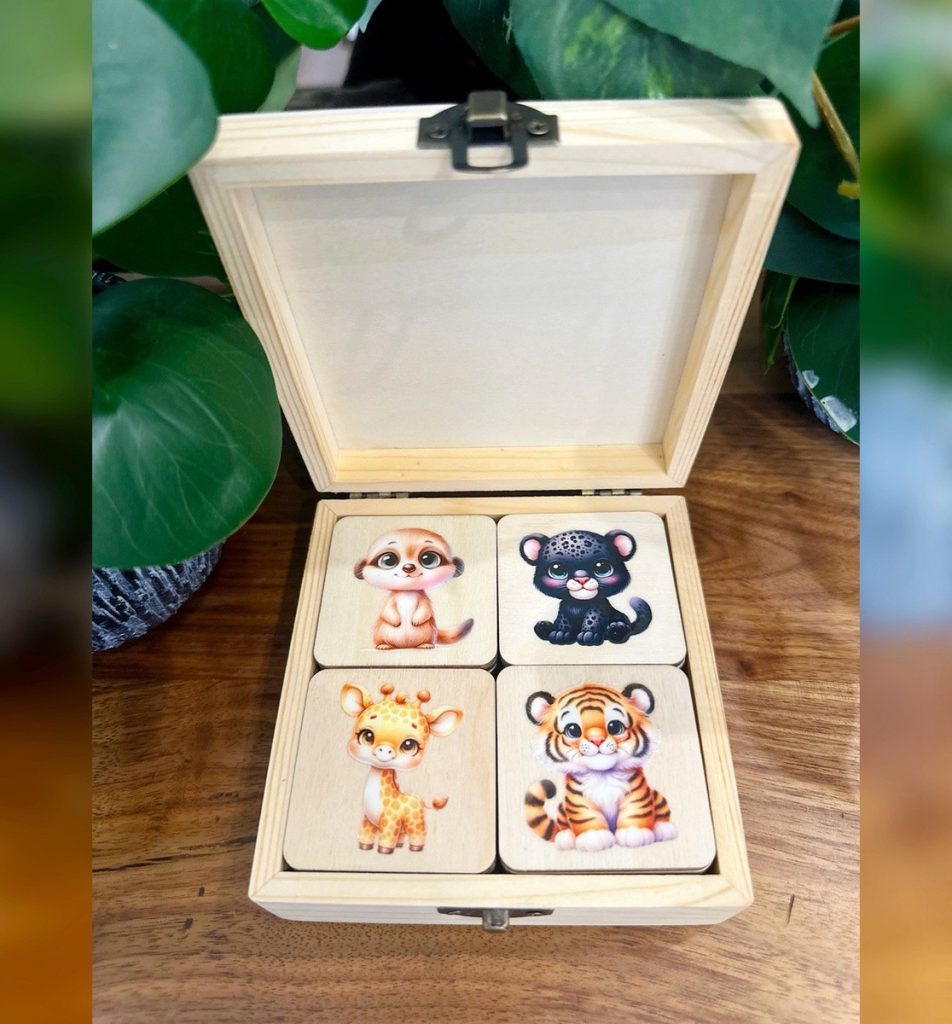
EXPLORE MORE: Click here to dive deeper
The Mechanisms Behind Memory Games
Memory games engage children on multiple cognitive levels, making them not only entertaining but also profoundly educational. At the core of these games lies the principle of reinforcement learning, where repeated exposure to specific stimuli enhances a child’s ability to recognize and predict patterns. This occurs through the processes of encoding, storage, and retrieval of information, which are crucial components of memory development.
How Memory Games Function
When children participate in memory games, they are actively training their brains to identify and work with patterns. The mechanics of these games often involve matching pairs, recalling sequences, or identifying changes within a set of items. Through these activities, children practice essential skills:
- Visual Memory: Memory games enhance visual recognition by encouraging players to remember the locations and characteristics of various cards or images. This improvement in visual memory fosters the ability to identify shapes, colors, and visual patterns in everyday life.
- Sequential Memory: Many memory games require children to remember the order of objects or actions. Strengthening this aspect of memory helps children recognize sequences in mathematics, language, and even routines in their daily lives.
- Spatial Awareness: As children interpret spatial relationships within memory games, they develop a better understanding of how objects relate in space. This skill not only aids in pattern recognition but also translates to real-world applications such as navigation and geometry.
Moreover, brain research supports the idea that playing memory games stimulates the areas responsible for cognitive functioning. For example, a study conducted by researchers at University of California, Berkeley showed that children who played memory-enhancing games exhibited not only improved recall but also greater activation in the prefrontal cortex, which is associated with advanced cognitive processes, including problem-solving and pattern recognition. These findings suggest that memory games serve not only as entertainment but as important building blocks in a child’s cognitive toolkit.
Incorporating Technology in Memory Games
The digital age has ushered in innovative memory games that can further enhance learning experiences. Traditional card games can now be complemented with mobile applications and online platforms, providing interactive environments where children can play. These technological adaptations often incorporate colorful graphics, sounds, and engaging narratives that capture children’s attention and enhance their motivation to learn.
Furthermore, mobile memory games can offer customized difficulty levels, adapting to a child’s skills and progress, which allows for personalized learning. This adaptability is crucial; children can challenge themselves without becoming frustrated, thus ensuring they remain engaged and eager to improve their pattern recognition skills over time.
The combination of traditional and digital memory games offers a delightful approach to learning, making it easier for parents and educators to reinforce cognitive development through play. As children immerse themselves in these games, they not only enjoy themselves but also cultivate essential skills that will serve them well throughout their lives, in and out of the classroom.
Importance of Pattern Recognition
Pattern recognition is a critical skill that lays the foundation for various cognitive abilities in children. It allows them to identify connections, predict outcomes, and solve problems effectively. By engaging in activities that promote pattern recognition, children enhance their cognitive flexibility, which is essential in academic and everyday contexts. Memory games serve as an excellent tool to train this skill, making learning enjoyable and interactive.
How Memory Games Work
Memory games often incorporate visual or auditory patterns that children must recognize and remember. These games typically involve matching pairs of cards, which requires the child to recall the locations of previously seen items. This reinforcement of memory and recognition is not only beneficial for cognitive development but also serves to boost a child’s confidence as they succeed in completing challenges.
Further Cognitive Benefits
Research indicates that consistent play of memory games can lead to improvements in various aspects of cognitive function, such as attention span and visual memory. Enhancing working memory through structured gameplay helps children succeed in more complex tasks, whether in school or at home.
| Category | Description |
|---|---|
| Cognitive Development | Memory games encourage children to enhance their cognitive skills, leading to better problem-solving. |
| Social Interaction | Playing memory games often involves teamwork and cooperation, improving social skills. |
Engaging Techniques
Incorporating a variety of engaging techniques can also enhance the effectiveness of memory games. For instance, adding elements of storytelling can captivate children’s attention, making the learning experience even more enriching. The combination of fun and education is crucial for maintaining children’s interest, ensuring that they reap the maximum benefits from memory games.
DISCOVER MORE: Click here to unlock strategic insights
Memory Games and Social Development
In addition to bolstering cognitive skills, memory games play a significant role in fostering social development among children. These games often provide a platform for interaction, wherein children learn to collaborate, compete, and communicate with their peers. Such social dynamics further enrich the learning experience, as playing alongside others cultivates vital life skills.
The Role of Group Play
Group play that involves memory games allows children to engage in cooperative learning, which is essential for developing empathy and teamwork. When children play in groups, they are exposed to diverse strategies and thought processes. For instance, they may witness a peer employing a particular method to remember the location of cards, prompting them to adapt or modify their own strategies. This interaction fosters adaptability, a key component in improving pattern recognition.
Moreover, friendly competition can also act as a motivator. As children strive to outperform one another in memory games, they enhance their ability to discern patterns more rapidly. This competitive spirit encourages them to be more perceptive and responsive, thereby improving their cognitive agility. Studies have shown that children who engage in competitive play tend to develop a heightened ability for pattern recognition, as they are compelled to analyze and anticipate their opponents’ moves.
Connecting Memory Games with Real-Life Skills
The skills acquired through memory games extend beyond the confines of the gaming environment and into everyday life situations. Children learn to apply their enhanced pattern recognition abilities to various contexts—such as mathematics, reading, and even in personal relationships. For example, when learning mathematics, recognizing numerical patterns can lead to a better understanding of concepts such as addition and subtraction sequences.
In language development, memory games that utilize words, phonetics, or sentences can bolster a child’s capacity to recognize language patterns, ultimately aiding in reading fluency and comprehension. Research indicates that children who actively engage in formal memory games exhibit superior language skills, leading to advancements in vocabulary acquisition and overall verbal proficiency.
Parental Involvement and Benefits
Parental involvement in memory games further amplifies their cognitive benefits. When parents participate in these activities, they not only support their child’s learning, but they also create an enriched environment for social bonding. Co-playing memory games enables parents to model effective memory strategies and pattern recognition techniques, which children can then incorporate into their own play routines.
Additionally, involving parents in memory games can help them closely monitor their child’s cognitive and social development. Strategies such as discussing the patterns recognized during gameplay or encouraging reflection on performance can deepen understanding and learning. This engagement turns gameplay into a meaningful experience, leading to stronger familial connections and a support system that promotes lifelong skills.
Ultimately, the benefits provided by memory games extend far beyond simple cognitive enhancement. By integrating social interaction, real-life applications, and parental involvement, these games emerge as a holistic tool in shaping well-rounded, capable children ready to tackle the complexities of life.
DIVE DEEPER: Click here to unravel the secrets of pattern recognition
Conclusion
In summary, memory games serve as a multifaceted tool that not only sharpens children’s cognitive abilities but also enhances their pattern recognition skills through engaging and interactive play. The interaction inherent in these games facilitates a learning environment where children can comfortably develop essential skills such as focus, critical thinking, and logical reasoning. As they navigate the patterns and sequences involved in memory games, children foster a stronger connection to the world around them, whether that be through recognizing numerical patterns in math or identifying language patterns that contribute to their reading fluency.
Moreover, involving peers and parents adds a layer of social interaction that is crucial for developing emotional intelligence, empathy, and communication skills. Through cooperative and competitive play, children not only learn to discern patterns quicker but also cultivate adaptability in their learning approaches, which can have lasting implications in diverse areas of their lives.
As educators and parents, nurturing an environment that promotes the use of memory games can lay a foundation for lifelong learning. By emphasizing the significance of these games, we can inspire future generations to become more observant and capable individuals, adept at recognizing and responding to patterns both in academia and in their personal lives. Thus, leveraging the benefits of memory games becomes not just a playful activity, but a powerful catalyst for holistic development in children.
Related posts:
The Psychology Behind Pattern Recognition in Logic Games Explained
Pattern Recognition in Trivia Games: Stimulating Knowledge and Memory
The Impact of Pattern Recognition on Solving Puzzles and Cognitive Challenges
The Psychology Behind Pattern Recognition in Logic Games
Pattern Recognition and Its Relationship with Creativity in Complex Puzzles
Developing Pattern Recognition Skills through Puzzles

Linda Carter is a writer and puzzle expert specializing in mind games, brain teasers, and cognitive challenges. With extensive experience helping individuals enhance their problem-solving skills and think critically, Linda shares her knowledge on our platform. Her goal is to empower readers with practical advice, engaging puzzles, and strategies to sharpen their minds and achieve success in the captivating world of mind games and puzzles.