How Mind Games Foster Creative Thinking and Innovative Solutions
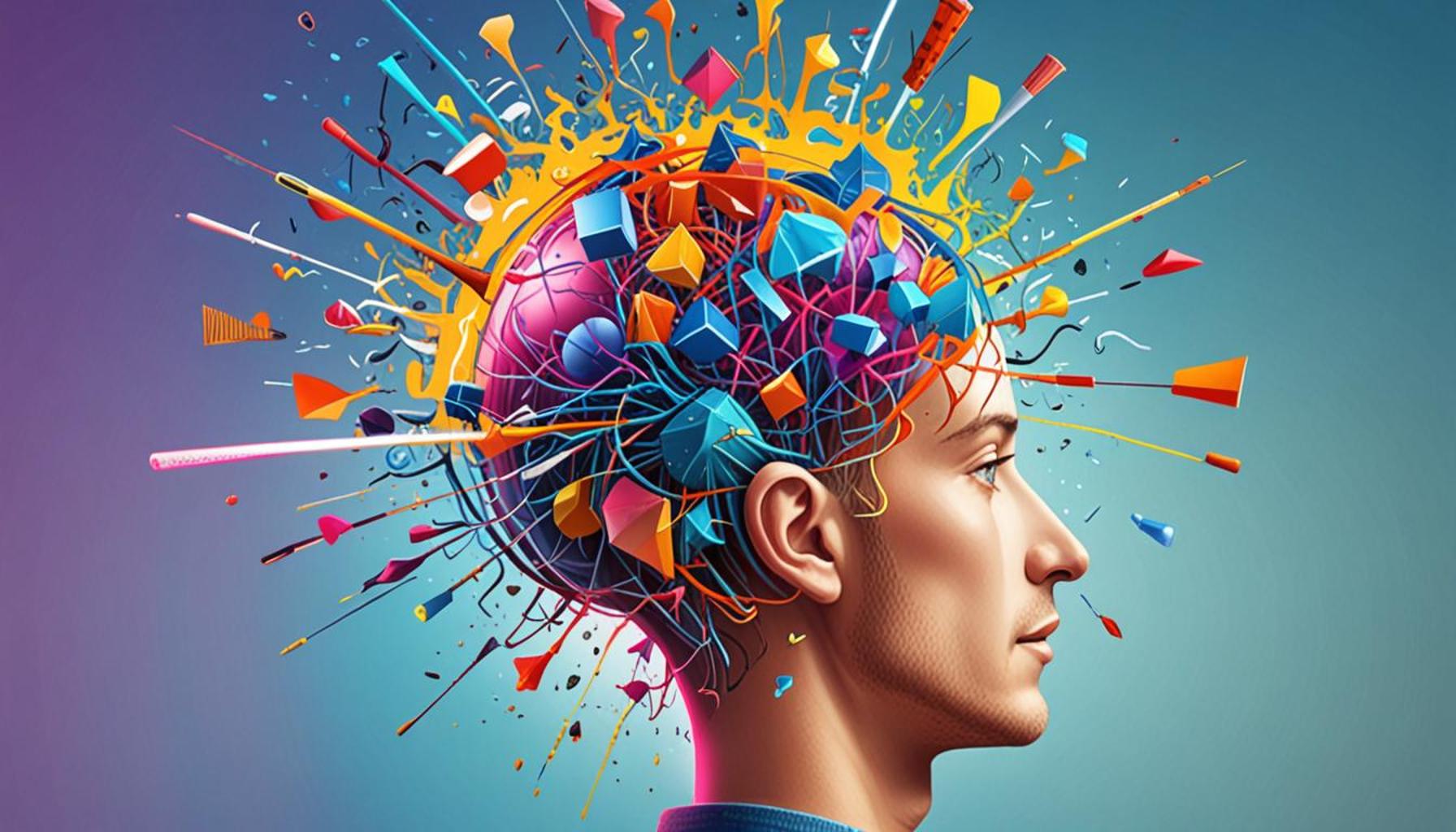
The Role of Mind Games in Enhancing Creative Thinking
In today’s fast-paced world, the need for innovative solutions to complex problems is more pressing than ever. As we navigate this landscape, mind games emerge as essential tools that can enhance our creative thinking capabilities. These cognitive exercises are not merely enjoyable pastimes; they play a crucial role in facilitating mental agility, teamwork, and unique problem-solving strategies.
Variety of Mind Games
Mind games encompass a broad range of activities that stimulate the brain. Some popular types include:
- Puzzles and Riddles: These often require lateral thinking and can take the form of visual puzzles or wordplay that challenges one’s perspective.
- Strategy Board Games: Games like chess and Settlers of Catan encourage players to anticipate opponents’ moves and devise long-term strategies, thus sharpening decision-making skills.
- Brain Teasers and Logic Puzzles: These activities require analytical skills and often provide scenarios that test logical reasoning, enhancing cognitive flexibility.
Benefits Beyond Entertainment
The advantages of engaging in mind games extend far beyond mere enjoyment. Research has shown that these activities can:
- Enhance Problem-Solving Skills: By regularly tackling different types of puzzles, individuals improve their ability to approach challenges from diverse angles.
- Encourage Out-of-the-Box Thinking: Exposure to unconventional thinking patterns fosters creativity, allowing individuals to contemplate innovative solutions.
- Boost Memory and Cognitive Function: Regular engagement in mind games has been linked to enhanced memory recall and overall cognitive vitality, which are vital for effective problem resolution.
Mind Games in Education and Business
Across the United States, educational institutions and businesses are increasingly recognizing the value of incorporating mind games into their curricula and workplace initiatives. Schools are utilizing engaging activities to promote critical thinking and collaborative skills among students, thereby fostering a culture of innovation. For instance, some educators have launched “Puzzle Clubs” where students can work together to solve various challenges, facilitating both learning and teamwork.
In the corporate sphere, companies like Google and Microsoft have adopted brain games within their team-building exercises, aiming to cultivate a dynamic work environment that encourages creative thought. By integrating these cognitive exercises into their corporate culture, organizations develop happier and more innovative teams capable of driving forward-thinking ideas.

The Future of Problem-Solving
As we continue to explore the intricate relationship between mind games and creative thinking, their potential to inspire groundbreaking ideas and effective solutions in various fields becomes increasingly evident. Whether in education, business, or beyond, the integration of these cognitive activities can have profound implications for our capacity to think differently and solve problems effectively. Are you prepared to dive deeper into the transformative power of mind games?
LEARN MORE: Click here to discover the benefits of brain games
Unlocking the Creative Mind Through Play
Mind games are more than just leisure activities; they are powerful catalysts for enhancing creative thinking and paving the way for innovative solutions to emerge. Engaging in these cognitive challenges stimulates the brain’s neural pathways, leading to improved cognitive flexibility and a heightened ability to approach problems with fresh perspectives. By participating in mind games, individuals can unlock their creative potential and gain invaluable skills that are applicable across various domains.
The Science Behind Mind Games
Recent studies have underscored the beneficial impacts of mind games on cognitive functions. Neuroscientific research indicates that brain games can literally rewire the brain, promoting neuroplasticity—the brain’s ability to form new neural connections throughout life. This phenomenon is crucial for fostering creativity as it enables individuals to draw on a wider array of thoughts, experiences, and ideas.
Furthermore, studies suggest that regular engagement with mind games—particularly those that challenge critical thinking—can cultivate a habit of innovation. A report from the American Psychological Association highlights that individuals who routinely engage in puzzles and strategic games demonstrate improved problem-solving capabilities in real-world scenarios.
Practical Applications of Mind Games
The practical applications of mind games in fostering creative thinking are evident across diverse fields. For instance, in the healthcare sector, simulation games allow medical professionals to explore complex case scenarios, honing their diagnostic and decision-making skills. Additionally, in engineering sectors, design challenges and brain teasers encourage teams to collaborate and generate inventive solutions under pressure.
Moreover, the realm of arts and entertainment also stands to benefit. Artists and writers often turn to mind games to overcome creative blocks. Activities like free association exercises or collaborative storytelling games create a space for unique ideas to flourish, thus giving rise to unexpected innovations.
Enhancing Team Dynamics Through Mind Games
Beyond individual development, mind games play a significant role in enhancing team dynamics. Collaborative mind games such as Escape Rooms or team-building challenges urge participants to work together toward a common goal. This not only fosters camaraderie but also encourages diverse viewpoints and synergy, which is essential in generating innovative solutions in workplaces.
- Team communication: Mind games improve interpersonal communication skills, allowing team members to express their ideas more freely.
- Conflict resolution: By engaging in strategic thinking together, teams learn to navigate differences and build consensus effectively.
- Creative collaboration: Such activities create an environment where brainstorming flourishes, leading to more creative outcomes.
The impact of enhanced teamwork is profound, leading to a more cohesive workplace culture and a stronger capacity for innovation. As companies increasingly prioritize creative thinking, integrating mind games can be a vital strategy in achieving long-term success.
How Mind Games Enhance Problem-Solving Skills
Mind games are more than just entertainment; they serve as powerful tools that enhance problem-solving skills. By engaging in activities like puzzles, strategy games, and brain teasers, individuals can develop a more dynamic approach to tackling challenges. These games require players to think critically, reassess strategies, and work collaboratively, which reflects the kind of innovative thinking needed in real-world scenarios. Research shows that regular participation in mind games leads to improved cognitive flexibility, enabling individuals to adapt their thought processes when facing novel problems.
Cognitive Benefits of Mind Games
Participating in mind games activates various areas of the brain, which promotes better memory retention and analytical thinking. For instance, games that require multitasking stimulate the prefrontal cortex, enhancing decision-making skills and creativity. As players devise new tactics and explore diverse solutions, they unknowingly strengthen neural pathways that contribute to improved cognitive function. Engaging regularly in these mental exercises provides lasting benefits, leading to innovative solutions in both personal and professional contexts.
The Role of Collaboration in Mind Games
Mind games often encourage collaborative efforts, which can significantly enhance creative thinking. Games that require teamwork foster communication skills and collective problem-solving, helping teams arrive at breakthroughs they might not achieve individually. This collaborative force encourages participants to share diverse perspectives, blending different approaches into comprehensive solutions. Additionally, such environments create a safety net for experimentation, where ideas can freely circulate, ultimately leading to innovative strategies that are beneficial in various fields, from business to education.
| Category 1 | Category 2 |
|---|---|
| Cognitive Skills | Enhances analytical thinking and memory retention. |
| Team Collaboration | Encourages diverse ideas and innovative problem-solving approaches. |
Incorporating Mind Games into Daily Routines
To harness the benefits of mind games, it’s essential to incorporate them into daily routines. Simple practices such as dedicating time to play strategic board games, participating in puzzles, or even engaging in digital brain games can cultivate a mindset geared towards creativity and innovation. Setting aside just a few minutes each day can lead to substantial cognitive improvements and foster an environment where practical solutions thrive. Making mind games a staple in one’s lifestyle allows individuals to sharpen their skills continuously and remain agile in their thinking.
DIVE DEEPER: Click here to discover more
Mind Games as Catalysts for Personal Development
Engaging in mind games not only sharpens critical thinking skills but also serves as a powerful tool for personal development. Individuals who regularly challenge themselves with cognitive games often report higher levels of self-efficacy, which is the belief in one’s ability to succeed. This boost in confidence can translate into a willingness to take risks and explore uncharted territories—essential components for creativity and innovation.
Boosting Mental Resilience
One of the lesser-known benefits of mind games is their ability to enhance mental resilience. The quick decision-making required in games like chess or strategy-based board games encourages the brain to develop better coping mechanisms in the face of challenging situations. A study published in the journal Intelligence suggests that players who engage in complex mind games demonstrate improved emotional regulation, allowing them to execute creative solutions even during stressful times.
For instance, video games that integrate problem-solving scenarios require players to adapt and strategize in real time, teaching them not just to survive a challenge but to thrive under pressure. This mentality can foster an environment where innovative ideas are not just welcomed but actively pursued, as research from the University of California indicates a direct correlation between gaming experiences and creative problem-solving skills.
Cross-Pollination of Ideas Through Experiential Learning
Mind games create avenues for experiential learning, whereby players can iterate their approaches based on their experiences within the game. This cycle of trial and error encourages risk-taking and experimentation—key elements in the creative process. According to a report by the Johns Hopkins University, environments that permit failure without the fear of repercussions lead to higher rates of innovation. Games like role-playing allow individuals to take on different personas and consider situations from various perspectives, ultimately expanding their cognitive toolkit.
The effectiveness of experiential learning through mind games can be seen in various sectors. For example, educators employ gamification in the classroom—using quizzes and interactive group challenges to engage students in STEAM (science, technology, engineering, arts, and mathematics) education. This approach has shown promising results, with students reporting greater interest and creativity in problem-solving tasks compared to traditional teaching methods.
The Role of Mind Games in Lifelong Learning
In a rapidly changing world, the importance of lifelong learning cannot be overstated. Mind games serve as effective tools for ongoing education, providing a platform for individuals of all ages to continually refine their skills. Whether through online puzzle apps, Sudoku, or crosswords, these activities promote a culture of curiosity and exploration that fuels creative thinking.
Moreover, intergenerational engagement through mind games can bridge the gap between young and old. Family game nights featuring strategy-based games not only foster relationships but also enhance collective creativity. Studies show that when different generations collaborate in mind games, the exchange of ideas can lead to remarkable breakthroughs and innovative solutions.
As organizations and individuals increasingly recognize the value of creativity in a competitive world, integrating mind games into daily routines becomes an essential practice. The path to innovation is paved with the unexpected connections and insights generated through play, making mind games not just a source of entertainment but a vital component of creative thinking.
DON’T MISS OUT: Click here to enhance your problem-solving skills
Conclusion: Unlocking Creativity Through Mind Games
As we delve into the myriad benefits of mind games, it becomes increasingly clear that these activities serve as valuable instruments in fostering creative thinking and facilitating innovative solutions. From enhancing critical brain functions to cultivating resilience and confidence, engagement in mind games empowers individuals to tackle challenges with a fresh perspective.
The interactivity and adaptive strategies found in games not only stimulate cognitive skills but also create an environment ripe for experiential learning. Players learn to embrace risk and view failures as a stepping stone towards success, ultimately making them more open to discovering innovative pathways. This notion aligns with modern initiatives in education and workplace training, where the gamification of learning is yielding positive results in student engagement and team collaboration.
Furthermore, the role of intergenerational play emphasizes the social aspect of mind games, showing how diverse perspectives can lead to collective creativity and groundbreaking ideas. As both young and old come together to engage in these cognitive pursuits, the potential for creative synergy multiplies, leading to innovative developments in various fields.
In an era that consistently demands out-of-the-box thinking, prioritizing mind games in daily routines can be a turbocharger for innovation. As you explore the world of mind games, consider how these playful mental challenges can not only entertain but also equip you with the tools needed to navigate complex issues and innovate like never before. Embrace the journey of creativity—one game at a time.
Related posts:
The Role of Logic Puzzles in Enhancing Problem-Solving Skills
Boost Problem-Solving Skills with Logic Games Top Benefits Explained
The Psychology behind Problem Solving in Logic Games
The Influence of Strategy Games on Decision-Making Abilities in Real-Life Problem Solving
How Competitive Puzzle Solving Can Boost Confidence in Real-Life Challenges
Developing Problem-Solving Skills Through Puzzles and Strategy Games

Linda Carter is a writer and puzzle expert specializing in mind games, brain teasers, and cognitive challenges. With extensive experience helping individuals enhance their problem-solving skills and think critically, Linda shares her knowledge on our platform. Her goal is to empower readers with practical advice, engaging puzzles, and strategies to sharpen their minds and achieve success in the captivating world of mind games and puzzles.