How to Create New Puzzles to Stimulate Strategic Thinking in Children
The Power of Puzzles in Strategic Thinking Development
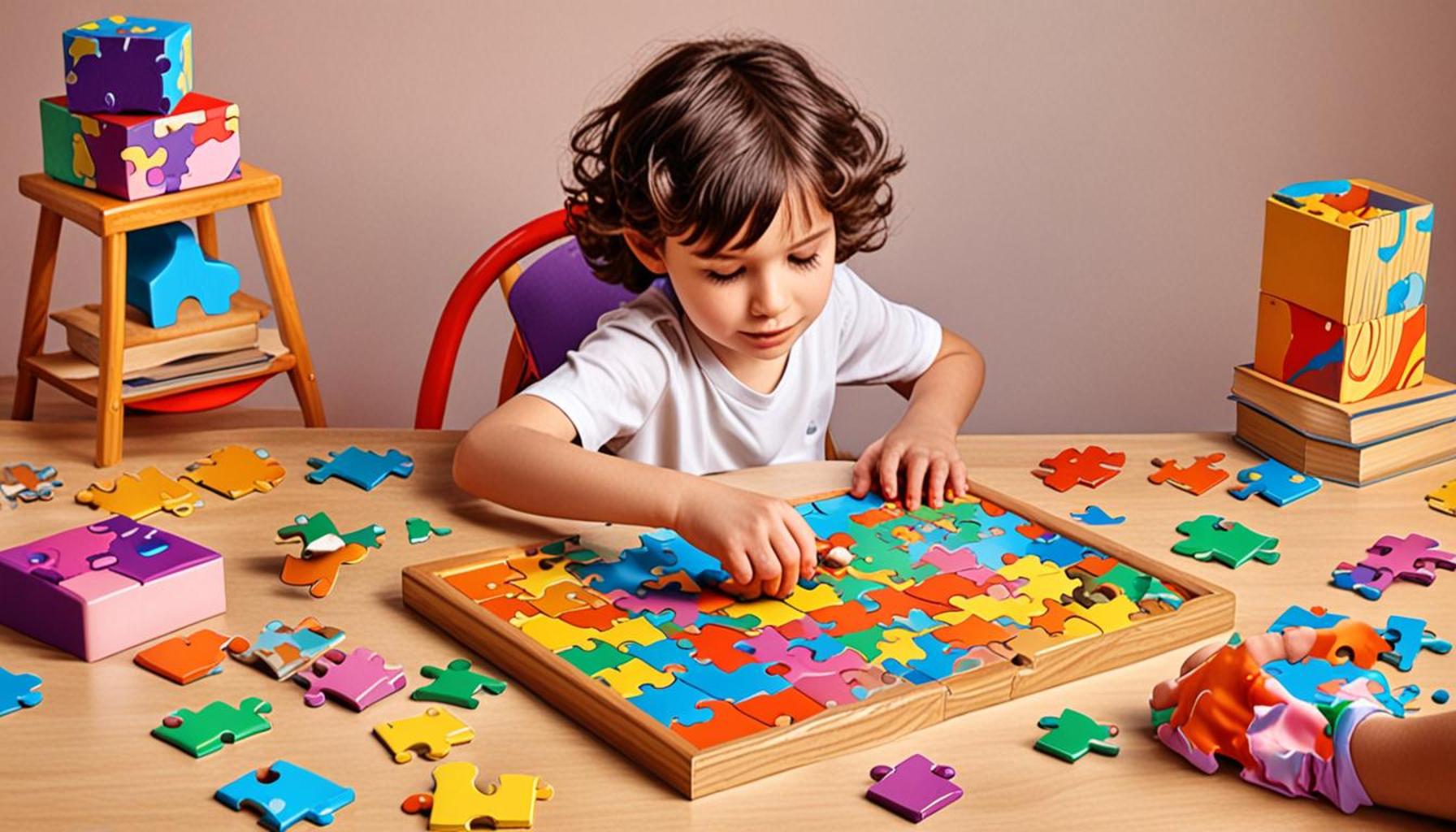
Puzzles serve as more than mere entertainment; they are effective instruments for fostering strategic thinking among children. Engaging youngsters in the art of puzzle-solving not only enhances their ability to think critically but also nurtures their capacity for creative problem-solving. By understanding how to craft engaging and educational puzzles, parents and educators alike can provide children with the tools necessary for cognitive growth.
Key Elements of Puzzle Creation
When embarking on the journey to create innovative puzzles, several key elements need to be considered:
- Variety: It is essential to incorporate a diverse range of puzzles to stimulate different aspects of a child’s thinking. From crosswords that bolster vocabulary skills to logic puzzles that require systematic reasoning, a variety of challenges ensures that children remain engaged and interested. Think about using jigsaw puzzles to enhance spatial reasoning or Sudoku to improve numerical logic.
- Difficulty Levels: Tailoring the complexity of puzzles to match the age and skill level of children is crucial. For instance, while younger children might benefit from simple addition puzzles or basic riddle series, older kids could tackle complex mathematical challenges or intricate story-based puzzles, striking a balance that keeps them motivated and challenged.
- Interactive Elements: Incorporating interactive or tactile components, whether digital or physical, can further enhance engagement. For example, using augmented reality apps for puzzle-solving can mesmerize tech-savvy children, making the experience immersive and exciting.
Essential Skills Developed Through Puzzles
As children tackle these unique puzzles, they simultaneously cultivate a variety of fundamental skills:
- Problem-solving: By engaging in puzzles, children learn to break down complex challenges into manageable parts, a skill that is invaluable throughout life.
- Logic: Structured puzzles teach children how to reason effectively, develop hypotheses, and deduce conclusions based on evidence.
- Collaboration: When children work together to solve puzzles, they learn the importance of teamwork, communication, and sharing diverse perspectives to arrive at a solution.
By thoughtfully designing engaging puzzles, educators and parents not only stimulate children’s minds but also create an environment conducive to exploration and learning. In subsequent sections, this article will provide in-depth strategies and practical tips for crafting new and stimulating puzzles that promote strategic thinking among children. The journey into the enchanting world of puzzles is filled with opportunities for both fun and intellectual growth, making it a critical tool in education today.
Dive Deeper: Click here to enhance your decision-making skills
Crafting the Ideal Puzzle Experience
Creating puzzles that foster strategic thinking in children is both an art and a science. To effectively stimulate children’s minds, one must not only consider the educational value of the puzzles but also the way in which they are presented. Here are several strategies to consider when designing captivating and effective puzzles for young learners:
Engaging Themes and Contexts
Children connect better with puzzles that incorporate themes and contexts they find relatable and engaging. Themes could range from beloved animated characters to exciting adventure scenarios that capture the imagination of young minds. For instance, creating a treasure hunt puzzle where children must solve riddles related to historical explorers or environmental themes can spark enthusiasm while promoting curiosity. Such contextualized puzzles allow children to see the relevance of strategic thinking in real-life situations.
Incorporate Real-World Challenges
Embedding real-world challenges within puzzle designs encourages children to apply strategic thinking to everyday problems. For example, consider creating a puzzle around a community issue—like recycling, community gardening, or even simple home organization. This not only enhances their problem-solving skills but fosters a sense of responsibility and teamwork. As children engage with challenges that they can relate to, they develop a deeper understanding of the implications of strategic decision-making in various situations.
Utilizing Technology for Interactive Learning
In the digital age, integrating technology into puzzle creation can significantly enhance engagement. Numerous interactive platforms allow parents and educators to design puzzles that include elements of gamification. Websites and apps focused on puzzle design enable you to create customized challenges that feature audio clips, animations, and dynamic visuals. For example, a digital storytelling puzzle could encourage children to piece together a narrative by solving riddles or logical puzzles that lead them to different parts of the story. This not only stimulates their cognitive abilities but also immerses them in a rich and interactive learning environment.
Feedback and Iteration
Designing effective puzzles entails an ongoing process of feedback and iteration. After children engage with your puzzles, gathering feedback through casual discussions or structured evaluations can provide insights into what worked well and what could be improved. Were the puzzles too challenging or too simple? Did the themes resonate with the children? This constant refinement ensures that the puzzles remain relevant and enjoyable, keeping children motivated while honing their strategic thinking skills.
As educators and parents take steps to craft engaging puzzles, they set the stage for children to thrive in critical thinking and problem-solving. The strategies outlined in this section serve as a foundation for creating thoughtfully designed puzzles that not only challenge children’s minds but also entertain them. In the following sections, we will delve deeper into practical examples and templates that can be used to bring these puzzle ideas to life, enriching the educational experience for children everywhere.
How to Design Intriguing Puzzles for Children
Creating effective puzzles that stimulate strategic thinking in children requires a thoughtful approach to their interests and cognitive development stages. Puzzles can range from simple riddles to complex brain teasers, but all should encourage critical thinking and problem-solving skills. Here are some strategic guidelines to consider:
1. Identify Age-Appropriate Challenges
It’s essential to match the complexity of puzzles to the children’s age group. For younger children, employ straightforward patterns and basic mathematical concepts. For older children, consider multi-step problems that require logical reasoning and abstract thought. This tailored approach ensures engagement and keeps frustration levels at bay.
2. Incorporate Themes that Resonate
Utilizing themes that children are passionate about, such as animals, space, or their favorite television shows, can make puzzles more appealing. For example, crafting a treasure hunt that leads them through a story set in their favorite fantasy world can enhance their involvement and make problem-solving a fun adventure.
3. Encourage Collaborative Problem Solving
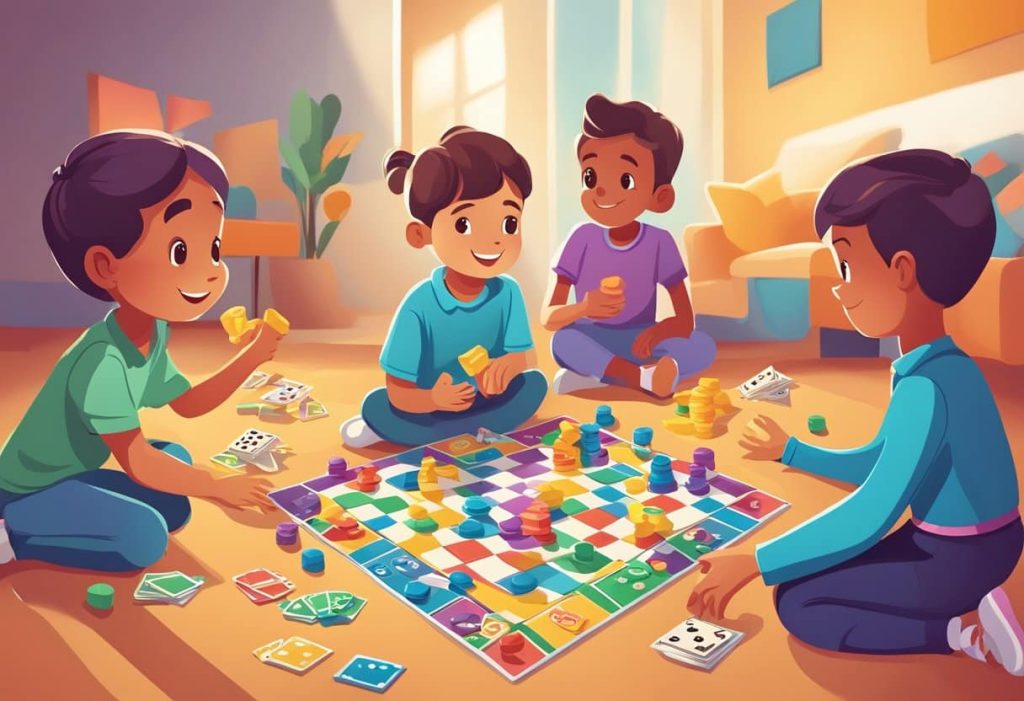
Group-based puzzles can encourage teamwork, social skills, and dialogue among peers. Consider designing puzzles where children must work in pairs or small groups, allowing them to share diverse strategies and ideas. This not only stimulates strategic thinking but cultivates an environment of learning from each other.
4. Use Visual Aids and Materials
Integrating visual components such as diagrams, colorful images, or physical objects can greatly enhance cognitive processing in children. Visual puzzles can help distill complex concepts into more digestible formats, improving comprehension and retention while making the learning experience interactive.
5. Allow for Failure and Iteration
Introduce the concept of trying multiple solutions and not being afraid to fail. Puzzles that allow for trial and error encourage resilience and adaptive thinking. By creating an environment where mistakes are valued as learning opportunities, children will build confidence and a deeper understanding of problem-solving mechanics.
| Puzzle Type | Key Advantages |
|---|---|
| Logic Puzzles | Enhances analytical thinking and reasoning skills. |
| Story-Based Puzzles | Encourages creativity along with strategic problem-solving. |
| Math Puzzles | Strengthens numerical skills while developing logical reasoning. |
| Collaborative Challenges | Builds teamwork and communication abilities among peers. |
By utilizing these strategies in puzzle design, parents and educators can effectively enhance children’s strategic thinking abilities while keeping the learning process enjoyable and engaging.
DISCOVER MORE: Click here to dive deeper
Innovative Formats and Techniques for Puzzle Creation
To truly captivate children and enhance their strategic thinking skills, it’s essential to explore innovative formats and techniques that go beyond traditional puzzle types. Here are some creative approaches that can make puzzle-making a more dynamic and enriching experience.
Multi-Layered Puzzles
One intriguing approach in puzzle creation involves developing multi-layered puzzles. This concept requires children to solve a puzzle that reveals another puzzle upon completion. By layering the puzzles, such as a jigsaw that forms a map leading to a treasure hunt, children can experience a gradual progression of challenges. This not only builds anticipation but also encourages them to think strategically about their next steps and how different solutions lead to varied outcomes.
Cooperative Puzzles
Engaging children in cooperative puzzles helps develop teamwork and communication skills while simultaneously promoting strategic thinking. For instance, create a puzzle that requires multiple participants to solve, each working on a component that ultimately contributes to a shared goal. An example could be a puzzle where each child must find a piece and contribute to a larger picture depicting a significant theme, like wildlife conservation. This not only nurtures critical thinking but also emphasizes the importance of collaboration to achieve success.
Scenario-Based Challenges
Introducing scenario-based challenges can be a powerful tool to stimulate strategic thought. For example, present children with a hypothetical situation, such as a town in need of revitalization. Then, create a puzzle where children must allocate resources wisely to solve various problems, like traffic congestion or pollution. By navigating these scenarios, kids develop critical decision-making skills, as they must evaluate options, foresee consequences, and think ahead—all essential aspects of strategic thinking.
Puzzles That Adapt to Skill Levels
Another innovative strategy is to design adaptive puzzles that adjust in complexity based on the child’s performance. Using technology, it’s possible to create a digital puzzle platform that monitors how children solve puzzles and increases or decreases difficulty accordingly. For instance, a math puzzle app could start with simple addition questions but could adapt to include multiplication or division as the child masters earlier concepts. This not only keeps children engaged but also effectively nurtures their problem-solving abilities at a personalized pace.
Utilizing Visual Aids and Storytelling
Puzzles can also benefit greatly from the integration of visual aids and storytelling. Incorporate vibrant images, infographics, or even short animations that engage children’s imaginations. For example, a story-based puzzle could feature a storyline where children must solve different challenges to advance the plot, leading them to develop strategic thinking as they predict future events based on their current decisions. This narrative approach makes puzzles more relatable and enjoyable, fostering an environment where children can experiment and learn without fear of failure.
As puzzle designers explore these fresh strategies and techniques, they can create a new realm of engaging challenges that stimulate strategic thinking in children. By emphasizing innovation, collaboration, and adaptability, parents and educators can better equip young learners with the cognitive tools they need to navigate complex situations both in and outside of the classroom.
DISCOVER MORE: Click here to dive deeper
Conclusion: Elevating Children’s Cognitive Skills Through Puzzles
Creating new puzzles that stimulate strategic thinking in children is an exhilarating journey that can foster problem-solving, creativity, and teamwork. As parents, educators, and puzzle designers delve into innovative formats—like multi-layered puzzles, cooperative challenges, and scenario-based games—they open doors to enriching experiences tailored to children’s evolving needs. The integration of visual aids and storytelling not only captures their imagination but also connects abstract concepts to tangible experiences, making learning both interesting and effective.
Moreover, adapting puzzles to suit varying skill levels ensures that each child remains engaged, allowing for a personalized approach that accommodates diverse learning styles. By providing children with multifaceted challenges that require strategic decision-making, we equip them with the foresight needed to tackle real-world problems and complexities. This approach teaches them to evaluate outcomes, anticipate consequences, and collaborate effectively with peers.
As we embrace this innovative puzzle-making philosophy, we encourage communities to prioritize strategic thinking as a vital skill in education. The puzzles we create today not only excite young minds but also lay the foundation for resilient, thoughtful, and adaptable individuals of tomorrow. By weaving these techniques into puzzle design, we can create an environment rich in learning opportunities that are not only entertaining but profound, ultimately enriching children’s cognitive development for years to come.
Related posts:
The Intersection Between Simulation and Strategy Games in Business Leader Development
How Logic Puzzles Increase Strategic Thinking Flexibility
The Impact of Word Games on the Development of Strategic Thinking
The Influence of Card Games on Planning and Movement Anticipation Ability
Analysis of Game Strategies in Chess Skills and Their Impact on Critical Thinking
How Logic Challenges Stimulate Creativity in Strategic Solutions

Linda Carter is a writer and puzzle expert specializing in mind games, brain teasers, and cognitive challenges. With extensive experience helping individuals enhance their problem-solving skills and think critically, Linda shares her knowledge on our platform. Her goal is to empower readers with practical advice, engaging puzzles, and strategies to sharpen their minds and achieve success in the captivating world of mind games and puzzles.