Memory and Play: The Impact of Board Games on Information Retention
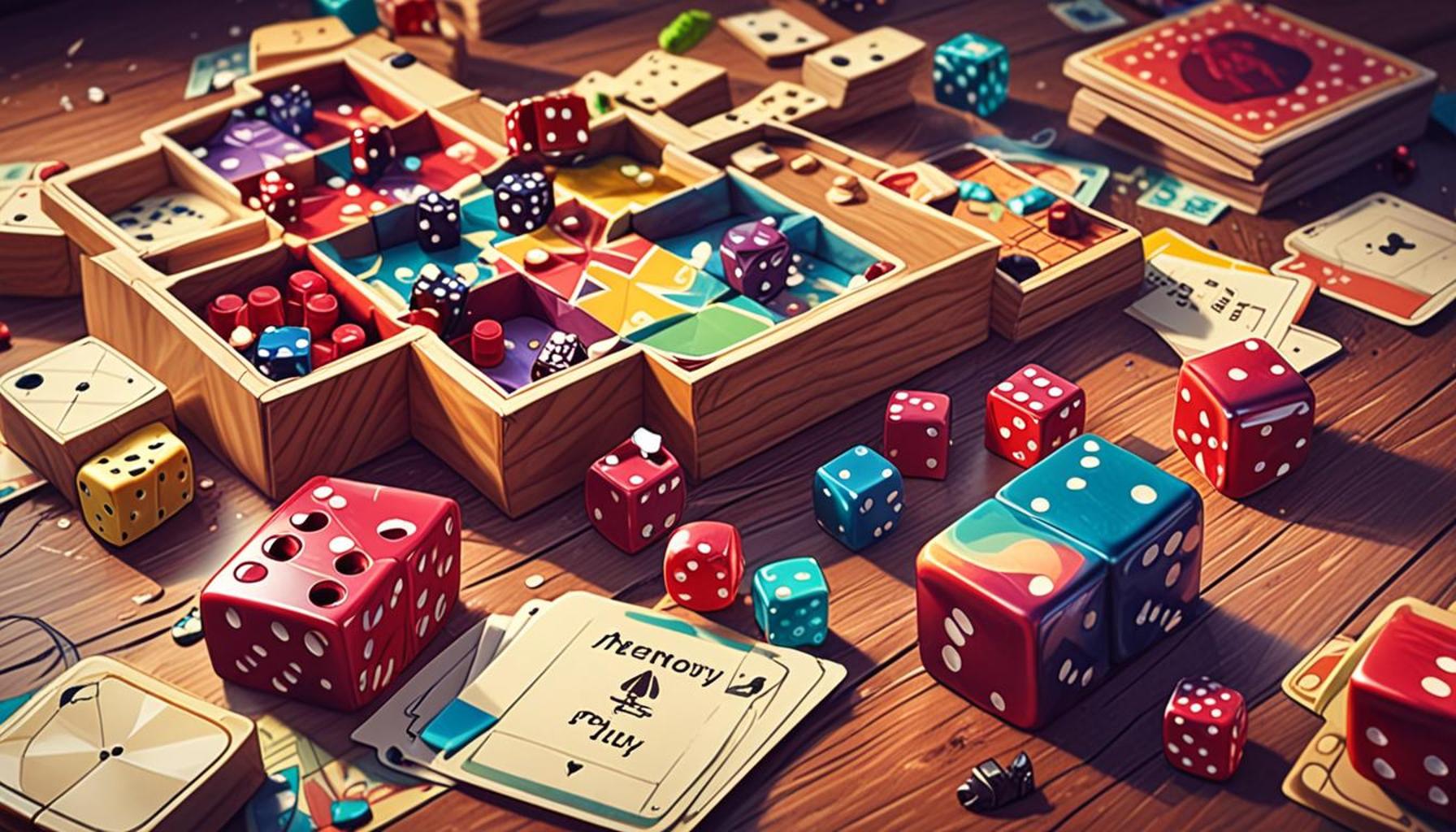
Exploring the Dynamics of Play and Memory
The intricate bond between memory and play has captivated researchers, educators, and hobbyists alike for decades. Board games, a classic medium of entertainment, are more than just a pastime; they hold the potential to enhance our cognitive abilities. When players engage in these interactive experiences, they stimulate various regions of the brain, promoting neural connectivity that aids in memory retention and overall cognitive function.
Engaging with board games offers numerous benefits, each contributing to the cognitive development of players. Some of these key advantages include:
- Social Interaction: Board games often require players to communicate and collaborate, encouraging the development of strong social skills. For instance, games like Codenames or Werewolf necessitate discussions and teamwork, which can help players refine their verbal skills and learn the importance of working together.
- Cognitive Challenges: Many board games are designed with complex rules and strategies that challenge players intellectually. Games such as Chess or Settlers of Catan require critical thinking, planning, and the ability to adapt to opponents’ moves. These cognitive demands stimulate mental agility and enhance problem-solving capabilities, which can improve decision-making skills in real life.
- Memory Techniques: Certain games incorporate mnemonic devices within their mechanics. For example, trivia games often require players to recall facts from various topics, reinforcing memory retention through repetition and active recall. This method can be particularly effective for players looking to study or memorize information for educational purposes.
Numerous studies have demonstrated that participants engaged in board games often report significant improvements in their ability to remember facts and strategies. The variety of game genres—ranging from word games like Scrabble to strategy-centered games like Ticket to Ride—appeals to a diverse audience across the United States, unifying people from different backgrounds in a common activity. This remarkable capability of board games to foster both enjoyment and cognitive growth is a testament to the power of play.
As we examine the impact of games on cognitive function further, it becomes evident that structured play environments can positively influence learning and memory retention. More than just a source of entertainment, board games can serve as valuable educational tools. Enthusiasts and educators alike are increasingly recognizing how these interactions can be harnessed in classrooms, after-school programs, and even in adult learning scenarios, illustrating the transformative potential of play in our lives.
In a world that often emphasizes the importance of technology and screen time, board games remind us that tactile, face-to-face interactions can lead to meaningful connections and cognitive advancements. They offer a platform to not only foster friendships but to enhance our mental faculties, making them a timeless and vital part of our cultural landscape.

EXPLORE MORE: Click here to enhance your skills
The Cognitive Benefits of Board Games
The impact of board games on memory retention is a fascinating intersection of play and cognitive science. Engaging in board games activates different areas of the brain, which can enhance both short-term and long-term memory. In essence, when players immerse themselves in a game, they are not merely having fun; they are inadvertently exercising their brains, preparing them to absorb and retain information more effectively.
Research suggests that board games can provide a unique blend of cognitive stimulation. Specifically, the combination of strategy, social interaction, and rule-based gameplay fosters an ideal environment for memory enhancement. Here are some cognitive benefits attributed to the regular play of board games:
- Active Engagement: Unlike passive forms of entertainment, board games require players to actively participate and think critically. This active engagement boosts the potential for information retention, as players must remember rules, strategies, and the actions of other participants.
- Repetition and Recall: Many games involve repeating certain actions or recalling previous turns, allowing players to practice important memory techniques. For instance, games such as Memory or Simon are designed specifically around the concept of recalling information, thereby reinforcing memory pathways through repetition.
- Stress Reduction: Playing board games often fosters a relaxing environment that can mitigate stress. Lower stress levels are linked to improved cognitive function and memory, enabling players to absorb and retain information more effectively while engaging in the fun of gameplay.
- Multisensory Learning: The tactile experience of handling game pieces, the visual aspect of the game board, and the auditory elements of gameplay form a comprehensive multisensory experience. This integration of senses significantly helps in consolidating memories, making them more likely to be retained and recalled later.
Furthermore, studies indicate that regular participation in board games correlates positively with improved cognitive skills across various demographics, from children to seniors. According to recent research published in the Journal of Cognitive Training, participants aged 60 and older who engaged in board games showed a 25% increase in memory recall compared to a control group. Such findings underscore the potential of board games as viable tools for enhancing cognitive function and memory across the lifespan.
As educators seek innovative ways to improve learning outcomes, many are looking to the board game resurgence as a powerful medium to bolster information retention. Classrooms incorporating games into their teaching methodology have reported heightened student engagement and improved retention of complex subjects. The idea that play can be a mode of serious learning is gaining traction, particularly in a rapidly evolving educational landscape.
Play and Memory: A Reciprocal Relationship
The interplay between play and memory retention emphasizes the reciprocal relationship that exists in cognitive development. When students engage in interactive board games, they are building not just knowledge but also the ability to connect information in meaningful ways—an essential skill for lifelong learning. As interest in the educational potential of board games grows, so does the understanding that these games could be pivotal in shaping how we learn and remember.
| Category | Key Features |
|---|---|
| Cognitive Development | Board games challenge players to think critically and strategically. |
| Social Interaction | Games promote teamwork, negotiation, and communication skills. |
| Memory Enhancement | Engaging in memory-based games can significantly improve retention capabilities. |
| Stress Relief | Playing games provides a fun way to unwind, reducing anxiety and enhancing focus. |
The social aspect of board games is particularly intriguing as they provide opportunities for meaningful connections among players. Participation in such activities can foster a sense of belonging, proving essential for emotional well-being. Furthermore, the cognitive challenges presented in games stimulate brain functions, promoting memory retention through active engagement. Research shows that the act of playing board games involves various sensory experiences, further reinforcing pathways for information storage.For example, games like Scrabble and Trivial Pursuit not only encourage learning vocabulary or trivia but also require players to recall previous information, enhancing their memory. Through strategic play, individuals cultivate skills in problem-solving and decision-making, essential components in everyday life. The blend of entertainment and education within board games presents a unique platform for retention techniques, making the process enjoyable and effective. As the popularity of board games continues to rise, understanding their impact on information retention remains a riveting topic for further exploration.
DISCOVER MORE: Click here to learn about the cognitive benefits of mind games
The Role of Strategy in Memory Retention
Board games often feature intricate strategies that require players to think several steps ahead, which significantly enhances cognitive performance. Games like Chess and Settlers of Catan are not just tests of luck; they demand the use of logic, planning, and resource management. These strategic elements contribute to a deeper engagement of memory structures in the brain, where players must hold multiple variables in consideration, including current states, opponent moves, and potential future outcomes.
By engaging in these strategic processes, players are more likely to encode information effectively. This engagement may lead to the development of novel memory strategies, making recall easier. For example, in Chess, the ability to remember opening moves and opponent strategies can translate into improved memory retention in other contexts, paving the way for enhanced problem-solving skills in academic and personal pursuits alike.
The Social Dimension of Learning through Board Games
The social aspect of board games plays a pivotal role in enhancing memory retention. When individuals play games together, they communicate, negotiate, and share experiences, all of which facilitate cognitive bonding. This social interaction not only enhances the enjoyment of the game but significantly impacts the effectiveness of memory retention. Studies demonstrate that collaborative learning experiences can improve recall by as much as 35%. This is due in part to the shared narratives and emotional connections formed during gameplay, which can make information more memorable.
Moreover, the discussion that emerges during a gaming session allows players to clarify concepts and reinforce learning. When players articulate their strategies or challenge one another’s moves, they engage in cognitive rehearsal, which is crucial for memory consolidation. This dynamic mirrors classroom discussions and group projects that promote deeper understanding, emphasizing the role of dialogic learning in memory retention.
Mindful Play and Focused Attention
The concept of mindful play emerges as another critical factor in enhancing information retention through board games. Players who focus fully on the task at hand, free from distractions, are more likely to retain information. In our fast-paced digital era, board games present a purposeful alternative that fosters sustained attention and deep engagements. Cognitive psychologists argue that this type of focused play can lead to the formation of robust memory traces, as the absence of multitasking allows for heightened awareness and absorption of game mechanics, strategies, and outcomes.
Additionally, games often call upon players to memorize and adapt to ever-changing circumstances, which can sharpen focus and improve mental agility. Games like Carcassonne or Pandemic require players to adapt strategies based on constant developments, ensuring that participants remain mentally active. This kind of adaptability is an essential skill that translates beyond the confines of the game, allowing individuals to flexibly approach various challenges in life and learning contexts.
Ultimately, by incorporating elements of strategy, social interaction, and focused attention, board games create a rich tapestry that enhances memory retention significantly. These components remind us that the world of play holds more than mere entertainment—it offers profound cognitive benefits that can influence how we learn and remember throughout our lives.
DIVE DEEPER: Click here to learn more about brain games and memory retention
Conclusion
In exploring the intersection of memory and play through the lens of board games, it becomes evident that these engaging activities offer far more than mere entertainment. They are powerful tools for enhancing information retention. The intricate strategies demanded by games stimulate cognitive abilities, while the social interactions foster meaningful connections that solidify memories. Furthermore, the practice of mindful play promotes focused attention, enabling players to immerse themselves fully in the game’s mechanics and narratives.
As research continues to demonstrate, the cognitive benefits derived from board gaming extend into various domains, including education and personal development. Those who actively engage in board games may find themselves with improved problem-solving skills, greater adaptability, and heightened retention of information, preparing them for challenges both on and off the board. Taking a closer look at popular games like Chess, Settlers of Catan, or Pandemic, it is clear that their potential for enhancing memory is intricately tied to their strategic complexity and the social dynamics they cultivate.
Ultimately, embracing board games as a regular component of play can transform our approach to learning and memory. As individuals and communities, we should recognize the profound cognitive and emotional impacts of these shared experiences, thereby reinforcing the notion that the act of play is not simply a way to pass the time, but an essential aspect of human development. In a rapidly evolving world, fostering engaging and interactive environments through board games could unlock new pathways for learning, discovery, and memory retention that resonate throughout our lives.
Related posts:
Memory Techniques and Games: How to Combine Traditional Approaches with Playful Challenges
The Evolution of Memory Games: From Tradition to Modern Apps
Visual Memory and Puzzle Games: How Images Stimulate Data Retention
The Influence of Music in Memory Games: Enhancing Cognitive Performance
Boost Your Memory Science-Based Mind Games Techniques for Enhancement
The Impact of Brain Games on Memory Retention in Older Adults

Linda Carter is a writer and puzzle expert specializing in mind games, brain teasers, and cognitive challenges. With extensive experience helping individuals enhance their problem-solving skills and think critically, Linda shares her knowledge on our platform. Her goal is to empower readers with practical advice, engaging puzzles, and strategies to sharpen their minds and achieve success in the captivating world of mind games and puzzles.