Memory Games and Social Connection: Strengthening Relationships Through Playful Activities

Connecting Through Memory Games
In a frenetic age marked by constant notifications and digital distractions, fostering deep connections is more crucial than ever. Memory games serve as a compelling avenue to bridge gaps in interpersonal relationships, blending enjoyment with opportunities for emotional development. These games, whether played in a living room or taken outdoors for a picnic, become a canvas for memories, laughter, and connection.
Engaging in memory games contributes not just to a good time but also unlocks a variety of cognitive and social benefits:
- Enhanced cognitive skills: Memory games are designed to challenge participants in a fun way, stimulating the brain and helping to improve memory retention. Studies suggest that regular engagement in cognitively challenging activities can delay the onset of dementia and improve overall brain health.
- Strengthened communication: When players tackle these games together, they must communicate effectively, strategizing and sharing tips to enhance their chances of winning. This form of collaboration can refine interpersonal skills and strengthen existing relationships.
- Increased emotional bonding: The inherent competitiveness and element of surprise in games invoke laughter and shared joy. These positive emotions contribute to deeper emotional connections, mirroring the effects of shared experiences such as family vacations or momentous occasions.
As friends and families gather for a game night, it’s apparent they are weaving a shared narrative filled with meaning and coherence. Each game played offers a glimpse into the players’ personalities and histories, sparking conversations about the past, shared jokes, and memorable victories. These moments aren’t merely about winning; they are about creating a tapestry of relationships enriched by shared experiences.
In the context of the United States, where board games and card games often figure prominently into family gatherings, the integration of memory games not only revives nostalgia but also builds contemporary connections. For instance, games like “Find It” and “Memory Match” can lead to intense familial rivalries yet, ultimately, fortify bonds as participants cheer each other on or share in friendly jest over lost rounds.
While technology continues to introduce virtual gaming options, the charm of traditional memory games remains untouched. Their simplicity allows for wide accessibility, making it easy to involve individuals of all ages. Whether at home or in a local park, memory games can bring generations together, transforming passive interactions into engaging opportunities for growth and connection.
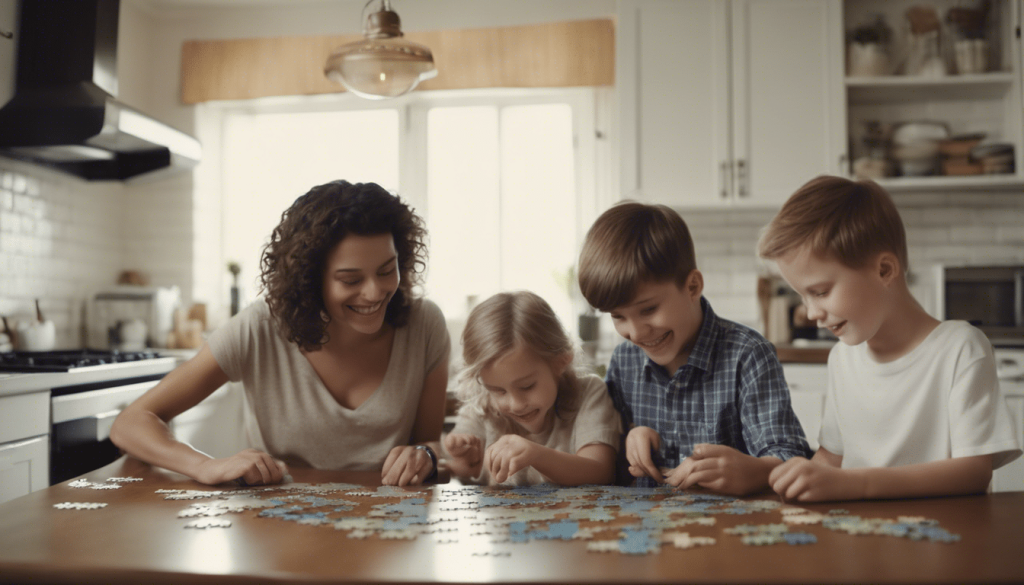
Incorporating memory games into your social routine not only enriches interactions but also underscores the importance of human connection, reminding us that sometimes the simplest activities can have the most profound impacts on our relationships.
DIVE DEEPER: Click here to discover the psychology behind pattern recognition
The Benefits of Memory Games in Strengthening Relationships
Memory games provide a unique blend of entertainment and mental exercise, making them a powerful tool for enhancing social connection. The engaging nature of these games invites players of all ages to come together, fostering not only competition but also collaboration. When families and friends huddle around a table to play classic memory games, they ignite a spark of connection that can transcend the barriers of daily life.
One of the foremost advantages of incorporating memory games into regular social interactions is the opportunity for cognitive development. As players engage in these activities, they are not merely participating in a fun pastime; they are also actively participating in mental workouts that strengthen memory and concentration. Research has shown that activities requiring memory recall enhance brain function and can significantly delay cognitive decline as we age. Thus, memory games can be a proactive measure in maintaining mental health while simultaneously improving social dynamics.
Additionally, memory games promote effective communication. In most game formats, players must convey thoughts and strategize collectively to outperform their opponents. This necessity for discussion cultivates an environment of cooperation, enabling individuals to express themselves clearly while honing their listening abilities. The ongoing dialog not only aids in gameplay but also serves to reinforce bonds, nurturing an atmosphere of trust and understanding.
Moreover, the emotional engagement that arises during gameplay creates a breeding ground for shared joy and laughter. The friendly banter, playful teasing, and occasional mischief that accompany these games often lead to joyful outbursts. Such moments of hilarity are essential in reinforcing relationships, as laughter has been scientifically proven to lower stress and facilitate a sense of belonging. As families and friends exchange jokes and celebrate each other’s success, they build a reservoir of positive memories, enriching their social fabric.
Consider the various scenarios where memory games play a pivotal role in relationship building. During family reunions, memory games can serve as icebreakers, encouraging distant relatives to engage and discover shared interests. In educational settings, teachers utilize these games to not only improve student memory skills but also foster camaraderie among classmates. Even in office environments, simple memory challenges can promote teamwork and elevate morale within a group.
Let’s explore some popular memory games that have proven effective in enhancing social connections:
- Memory Match: A classic card game where players flip over cards to find matching pairs, requiring concentration and a keen memory.
- Find It: A scavenger hunt-style game that stimulates both memory and observation skills as players search for hidden objects.
- Simon Says: This game demands listening skills and attention, ensuring players remain engaged and attentive to others’ instructions.
- Story Cubes: Players roll dice with pictures on them and create stories, fostering creativity while encouraging collaboration and communication.
Incorporating these games into social gatherings can also teach valuable life skills such as patience, strategy, and resilience—qualities that further solidify interpersonal relationships. By understanding the crucial role memory games play in enhancing social connections, individuals can make a conscious effort to integrate them into their lives, enriching their relationships while promoting collective mental wellness.
| Category | Advantages |
|---|---|
| Cognitive Development | Memory games enhance cognitive skills by improving memory, attention, and problem-solving abilities. |
| Social Engagement | Playful activities foster deep social connections, allowing participants to build friendships and strengthen relationships. |
| Emotional Well-being | Engaging in memory games can significantly boost mood and promote feelings of happiness and satisfaction. |
| Teamwork Skills | Playing these games often requires collaboration, enhancing teamwork and communication skills among players. |
The integration of memory games into social settings not only enriches relationships but also offers numerous cognitive benefits. By participating in these activities, individuals can experience significant growth in their cognitive abilities such as enhanced memory and focus. The collaborative nature of these games encourages teamwork and communication, essential skills in both personal and professional environments. Additionally, the fun and interactive elements of memory games serve to alleviate stress, enhancing emotional well-being through laughter and connection. This vibrant, engaging atmosphere is crucial for fostering strong bonds that can last a lifetime, making memory games a valuable tool for those looking to improve their social interactions. As the world becomes increasingly digital, revisiting these playful activities can pave the way for meaningful relationships founded on shared experiences.
DISCOVER MORE: Click here to delve deeper
Building Lasting Connections Through Engaging Play
In today’s fast-paced world, the power of play is often overlooked as families and friends become consumed by their hectic schedules. However, incorporating memory games during social interactions can transform the mundane into extraordinary meaningful moments. Simple activities like playing memory games provide opportunities to reconnect, while simultaneously building new connections among participants.
One profound aspect of memory games is their capacity to reduce social anxiety. For many individuals, particularly children and those who may struggle with social interactions, approaching new people or environments can feel intimidating. Engaging in memory games can act as a comforting shield, providing a structured format in which players can interact without the pressure of one-on-one conversations. As players focus on the game, they can forge connections more easily, making it a powerful ally for those looking to expand their social circles.
Furthermore, memory games also cultivate empathy and understanding among players. For instance, in a family setting, a shared experience of playing these games allows members to witness each other’s strengths and weaknesses in a fun and lighthearted manner. This can lead to discussions about emotional responses, such as sharing the frustration of forgetting cards or the triumph of making a successful play. These discussions deepen interpersonal understanding, as players express their feelings openly and learn to appreciate each other’s unique perspectives.
As we look at different age groups, memory games can be tailored to suit various developmental stages. For toddlers, simple matching games serve as an introduction to memory skills while encouraging early cognitive development. For older adults, adjustable challenges provide mental stimulation, helping to maintain their cognitive function. Tailoring games based on age fosters a sense of inclusivity, allowing family members from different generations to participate and bond over shared experiences.
The impact of memory games extends beyond family and friends; they can also be harnessed in community settings. Initiatives aimed at strengthening community ties often incorporate memory challenges. For example, local libraries and community centers may host memory game nights, where neighbors can gather to engage in friendly competition. These events are instrumental in promoting a sense of belonging among participants, demonstrating that community cohesion can flourish with playful engagement.
In workplaces, team-building exercises often integrate memory games to bolster teamwork and collaboration among employees. Research indicates that when coworkers participate in playful activities, it fosters a culture of trust and open communication. Memory games can serve as icebreakers during corporate retreats, promoting interaction among employees who may have limited opportunities to connect during regular work hours. This leads to enhanced productivity and job satisfaction as employees build rapport in a relaxed environment.
As we explore the vast array of memory games available, it becomes clear that the possibilities for enhancing social connection through play are limitless. For instance, card games such as Uno or memory-themed apps can add a modern twist to traditional gaming experiences, making them appealing across generations. Hosting game nights can encourage friends and families to engage, creating lasting bonds while getting lost in the delightful world of memory games.
DIVE DEEPER: Click here to learn more about strategic thinking in board games
Conclusion: Rekindling Bonds Through Playful Engagement
As we navigate through the complexities of modern life, it becomes increasingly vital to embrace the simple joy of memory games as a means to foster social connections. These games not only serve as a delightful pastime but also act as an effective tool for building deeper relationships among family, friends, and even colleagues. By facilitating laughter, collaboration, and communication, memory games create a unique environment where individuals of all ages can come together, share experiences, and grow closer.
Through their ability to alleviate social anxiety, memory games provide a welcoming space for individuals who might otherwise struggle to engage in traditional social settings. This creates opportunities for open dialogue and emotional exploration, ultimately paving the way for more profound understanding and compassion among participants. The adaptability of these games across different age groups ensures that everyone—from toddlers to seniors—can partake in the fun, reinforcing bonds across generations.
Moreover, the impact of memory games can be magnified within community and workplace settings, fostering a sense of belonging and teamwork that transcends daily pressures. These playful activities can spark joy, enhance morale, and transform ordinary gatherings into memorable occasions. As we continue to explore and embrace the myriad ways to incorporate memory games into our lives, we open doors to the priceless gift of connection. It’s an invitation to prioritize play, reminding us that the path to strengthening our relationships is often paved with laughter, engagement, and a dash of friendly competition.
Related posts:
The Intersection of Memory Games and Mindfulness Techniques: Enhancing Concentration and Retention
Learning Strategies: How Memory Games Can Enhance Retention in Students
The Role of Memory Games in Early Childhood Education: Stimulating Early Learning
The Evolution of Memory Games: From Tradition to Modern Apps
The Importance of Memory Games in Healthy Aging: Preventing Cognitive Decline
Memory and Technology: The Role of Digital Games in Improving Cognitive Functions

Linda Carter is a writer and puzzle expert specializing in mind games, brain teasers, and cognitive challenges. With extensive experience helping individuals enhance their problem-solving skills and think critically, Linda shares her knowledge on our platform. Her goal is to empower readers with practical advice, engaging puzzles, and strategies to sharpen their minds and achieve success in the captivating world of mind games and puzzles.