The Benefits of Outdoor Activities for Family Bonding and Health
Why Getting Outside Together Matters More Than Ever
American families spend an average of 90% of their time indoors, according to the EPA, often glued to separate screens even while under the same roof. That statistic alone reveals a growing disconnect that’s reshaping how households function. Parents scroll through work emails on the couch while kids retreat to bedrooms with tablets, and dinner conversations increasingly compete with notification pings. The result is a quiet erosion of the shared experiences that once defined family life.
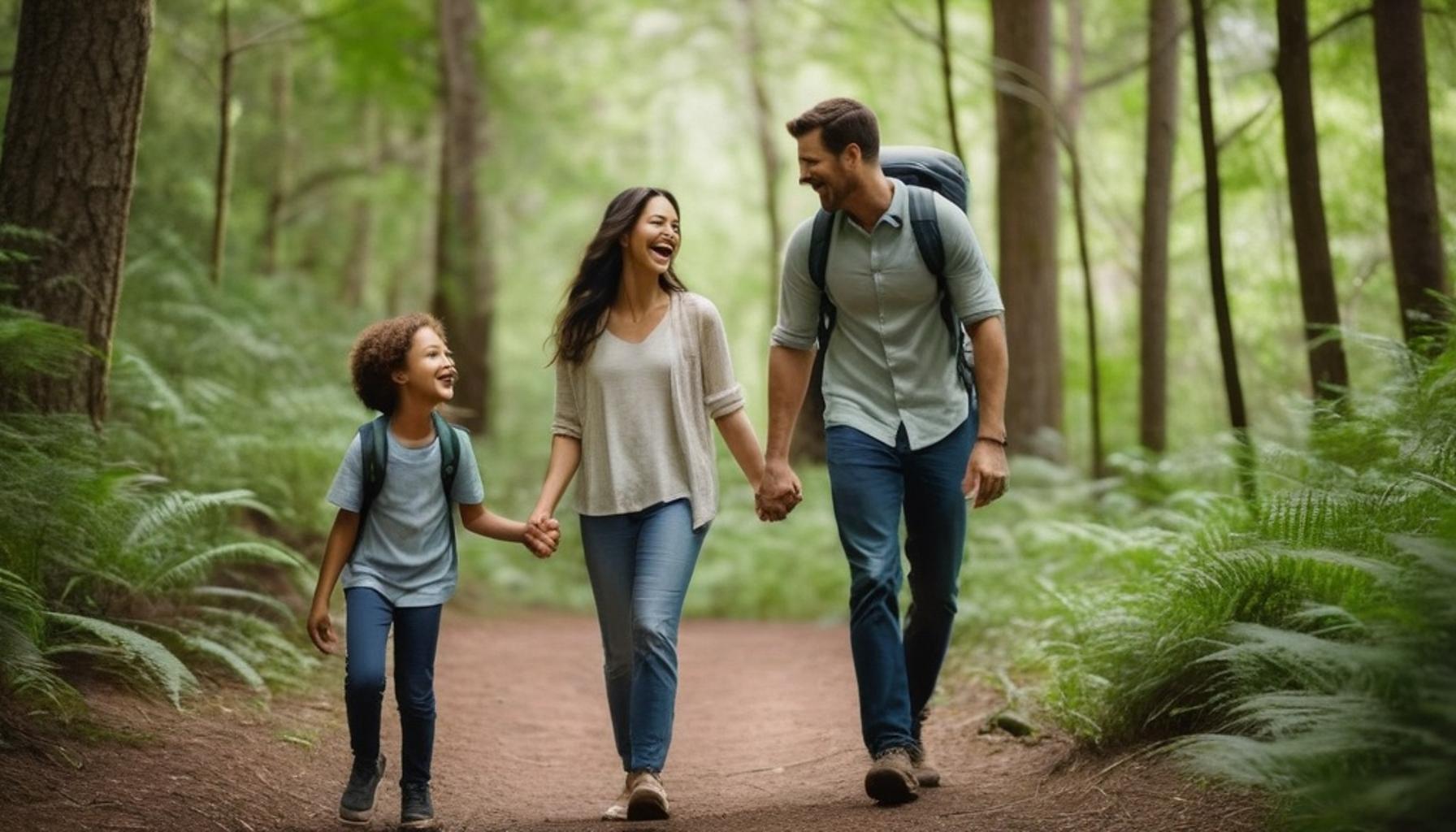
Yet a simple hike, bike ride, or backyard game can reverse this trend almost instantly. Outdoor Activities for Family Bonding offer a proven antidote to the isolation of modern digital life. Something as ordinary as tossing a frisbee at a local park or walking the dog together after dinner creates space for genuine conversation—no algorithms involved.
What Makes Nature Such a Powerful Connector
Research from the American Academy of Pediatrics highlights that family health and wellness improves significantly when unstructured outdoor play becomes routine. The benefits extend far beyond physical fitness alone. Pediatricians increasingly point to nature exposure as a low-cost, high-impact tool for strengthening family cohesion, particularly in an era where anxiety and screen dependency continue climbing among children and teens alike.
Consider what a single weekend outdoors can offer:
- Stronger emotional bonds through shared challenges and achievements
- Reduced stress hormones in both children and adults
- Improved sleep quality from natural light exposure
- Enhanced communication away from screens and distractions
Even brief outdoor exposure—say, twenty minutes at a nearby creek or community garden—has been linked to measurable drops in cortisol levels, suggesting that families don’t need elaborate vacations to reap these rewards. Small, consistent outdoor rituals may matter more than occasional grand adventures.
A Nationwide Shift Toward Active Togetherness
From national parks in Colorado to neighborhood trails in suburban Ohio, families across the country are rediscovering family bonding activities rooted in movement and exploration. This isn’t a passing trend—it’s a documented public health response. State park systems in places like California and Michigan have reported rising visitor numbers from multigenerational groups, a shift many attribute to pandemic-era realizations about the value of shared, tech-free time.
The following sections explore the specific benefits of nature for families, practical outdoor fitness for families ideas, and the science behind why unplugging outside creates lasting change—change that researchers suggest could influence how the next generation approaches relationships, resilience, and physical health for decades to come.
LEARN MORE: The importance of regular physical activity for mental health
# The Science Behind Sweat, Sunshine, and Stronger FamiliesDoctors and researchers aren’t just theorizing about the connection between outdoor time and family closeness—they’re measuring it. A 2023 study published in the International Journal of Environmental Research and Public Health found that families who engaged in outdoor activities together at least twice weekly reported 23% higher relationship satisfaction compared to those who primarily socialized indoors. That’s not a marginal difference. It’s the kind of statistic that makes pediatric psychologists sit up and take notice.
How Movement Outdoors Rewires Family Dynamics
There’s something about physical exertion in natural settings that dismantles the usual hierarchies and distractions of home life. When a father and daughter are navigating a rocky trail in the Smoky Mountains, rank and screen time don’t matter—only teamwork does. This dynamic shift is central to understanding the benefits of outdoor activities that go beyond simple exercise.
Occupational therapists frequently note that shared physical challenges—climbing, paddling, even geocaching in a local forest preserve—force families into cooperative problem-solving mode. Communication becomes necessary, not optional. A sibling pair figuring out how to portage a canoe around a fallen log in Minnesota’s Boundary Waters, for instance, learns something about patience and negotiation that no living room conversation could replicate.
Families across states like Oregon and Vermont, where outdoor culture runs deep, often report a noticeable shift in household mood after regular nature outings. Parents describe fewer arguments, more laughter, and children who seem more willing to open up during or after physical activity. Some researchers point to the role of sunlight exposure in regulating serotonin levels, which may partially explain why these mood shifts feel so consistent across different households and climates.
Interestingly, the effect doesn’t appear limited to any particular age group. Toddlers chasing bubbles in a backyard and teenagers mountain biking through a state park both seem to benefit from the same underlying mechanism: shared exertion in an unstructured environment lowers psychological guardrails that often stay up indoors.
Practical Ways Families Are Building Outdoor Fitness Habits
Incorporating outdoor fitness for families doesn’t require expensive gear or weekend-long commitments. Many households are finding success with small, repeatable actions that fit into busy American schedules, where time is often the scarcest resource of all.
- Morning bike rides before school or work, even just around the block
- Weekend farmers’ market walks combined with local trail exploration
- Backyard obstacle courses built from household items for younger kids
- Family kickball or soccer at a nearby public field once a week
- Evening stargazing paired with a short walk to a low-light area
What ties these activities together isn’t intensity—it’s consistency. Behavioral researchers suggest that repeated, low-pressure outdoor experiences build stronger neural associations between family time and positive emotion than sporadic, high-effort trips ever could. In other words, a family that walks the dog together every evening may be building more lasting emotional infrastructure than one that plans an elaborate national park vacation once a year.
Public health experts have also started tracking how community infrastructure—sidewalks, bike lanes, and accessible parks—shapes how often families actually follow through on these intentions. Cities investing in walkable neighborhoods may inadvertently be investing in family cohesion as well, a connection few urban planners openly discuss but many researchers now suspect.
This emerging body of evidence around family health and wellness suggests a simple truth: the outdoors doesn’t just entertain families. It fundamentally changes how they relate to one another, one walk, ride, or game at a time. As more longitudinal studies emerge, the question shifts from whether nature helps families bond to how much outdoor time is truly enough to sustain it.
CHECK OUT: The Impact of Daily Walking on Mental Health and Well-being
# From Backyard to Trailhead: Measuring the Long-Term PayoffThe conversation around outdoor activities for family bonding often stalls at anecdotes—happy photos, warm memories, a sunburned smile. But researchers are now pushing past sentiment into something more concrete: long-term health outcomes that show up in medical charts, not just family albums.
What Pediatricians Are Actually Seeing
The American Academy of Pediatrics has increasingly emphasized unstructured outdoor play in its guidance to parents, citing links between nature exposure and reduced rates of childhood obesity, improved attention spans, and even better sleep quality. A 2022 analysis tracking over 3,000 children across the Midwest found that kids who spent at least five hours weekly in outdoor family activities scored measurably higher on emotional regulation assessments than peers with less outdoor exposure.
That number—five hours—might sound daunting to a household juggling soccer practice, homework, and two working parents. But pediatric researchers note it doesn’t need to happen in one dramatic outing. Fifteen minutes after dinner walking around a suburban block in Ohio adds up. So does a Saturday morning spent raking leaves together in a Pennsylvania backyard.
The Overlooked Role of Nature in Stress Reduction
Cortisol, the body’s primary stress hormone, drops measurably after just 20 minutes spent in green spaces, according to research published by the University of Michigan. For families juggling the chaos of modern life—overflowing inboxes, school pickup lines, grocery runs—this physiological reset matters more than most realize.
The benefits of nature for families extend beyond the individual. When one family member’s stress hormones drop, household tension often eases collectively. Family therapists in California have started recommending “nature breaks” as a prescribed intervention for households experiencing high conflict, treating a simple hike not as leisure but as a form of preventative care.
Some notable outdoor settings families are turning to include:
- National and state parks offering free or low-cost entry days for residents
- Community gardens that combine physical activity with shared responsibility
- Local rivers and lakes for kayaking or simple wading sessions
- Neighborhood greenbelts increasingly common in cities like Austin and Denver
Why Consistency Beats Grand Gestures
Family therapists and behavioral scientists increasingly agree on one point: sporadic, high-budget outdoor adventures rarely produce the same bonding effect as small, repeated family bonding activities. A weekly bike ride builds a rhythm children come to expect and rely on, creating a sense of security that a once-a-year camping trip cannot replicate on its own.
This distinction matters for households evaluating how to invest limited time. The data suggests that family health and wellness isn’t built through occasional intensity but through predictable, low-stakes repetition—the kind of outdoor habit that barely feels like an event at all, yet quietly reshapes how a family functions together over months and years.
SEE ALSO: How to integrate physical exercises into your daily routine for a balanced lifestyle
The Bigger Picture: Small Steps, Lasting Change
The evidence keeps pointing to the same conclusion: Outdoor Activities for Family Bonding aren’t a luxury reserved for vacation itineraries or Instagram-worthy hikes. They’re a quiet, cumulative investment in how families function, communicate, and stay healthy over decades.
What started as anecdotal warmth—memories of backyard games or weekend trails—now has measurable backing. Lower cortisol levels, improved emotional regulation in children, reduced household conflict. These aren’t soft outcomes; they’re data points showing up in pediatric charts and behavioral studies across the country.
Rethinking What Counts as “Outdoor Time”
Perhaps the most useful takeaway is permission to think smaller. A driveway basketball game in Minneapolis counts. So does a stroller walk through a Phoenix neighborhood at dusk. Outdoor fitness for families doesn’t require elaborate gear or national park itineraries—it requires consistency more than intensity.
Families weighing where to start might consider:
- Setting a recurring weekly outdoor block, even 20 minutes, rather than waiting for a free Saturday
- Choosing locations within a 10-minute drive to lower the activation energy needed to go
- Rotating activities—walking, biking, gardening—to keep engagement from feeling routine
A Final Thought
The broader lesson here isn’t about chasing five hours a week like a prescription to fill. It’s about recognizing that family health and wellness often improves through unremarkable, repeated moments rather than singular grand efforts.
As more research emerges connecting green space to measurable physiological change, one thing seems increasingly clear: the backyard, the greenbelt, the local trailhead—these aren’t backdrops for family life. They may be quietly shaping its outcome.
Frequently Asked Questions
What are the best outdoor activities for family bonding on a weekend?
Hiking local trails, biking as a group, having a picnic at a park, or trying a family fishing trip are great weekend options. These activities are low-cost, adaptable to different fitness levels, and naturally encourage conversation and teamwork. Choose something that matches your family’s interests so everyone stays engaged.
How do outdoor activities for family bonding improve children’s health?
Regular outdoor play boosts cardiovascular fitness, strengthens bones and muscles, and improves motor skills through running, climbing, and jumping. Sunlight exposure also helps kids produce vitamin D, which supports immune function and mood. Additionally, being active outside reduces screen time, which is linked to better sleep and lower obesity risk.
How often should families do outdoor activities together to see bonding benefits?
Aiming for at least one dedicated outdoor family outing per week, plus shorter daily activities like a walk after dinner, can significantly strengthen relationships over time. Consistency matters more than duration, so even 20 to 30 minutes of shared outdoor time regularly builds stronger connections. The key is making it a predictable routine everyone looks forward to.
What outdoor activities work well for families with kids of different ages?
Nature scavenger hunts, group bike rides, and easy hiking trails with rest stops can accommodate both young children and older kids or teens. Backyard camping and outdoor scavenger games also allow younger kids to participate while giving older siblings more responsibility, like setting up tents. Adjusting pace and difficulty helps keep everyone included and having fun.
Can outdoor activities for family bonding help reduce stress for parents too?
Yes, spending time in nature lowers cortisol levels and reduces symptoms of anxiety and stress for adults, not just children. Shared outdoor experiences also give parents a break from work-related pressures while creating positive, distraction-free time with their kids. This combination of physical activity and quality connection benefits the whole family’s mental well-being.

Linda Carter
Linda Carter is a writer specializing in healthy habits and balanced living. With extensive experience helping readers build sustainable routines, she shares practical guidance on nutrition, physical activity, quality sleep, stress management, and emotional well-being. Her goal is to offer simple, accessible strategies that inspire people to care for their health and enjoy a more balanced life.