Pattern Recognition in Logic Games: How to Improve Mental Agility

The Importance of Developing Pattern Recognition Skills
In today’s fast-paced world, where critical thinking and quick decision-making are highly valued, the ability to recognize and understand patterns becomes increasingly essential. This skill is not just an asset in logic games, but it also plays a crucial role in various aspects of life, from professional environments to everyday problem-solving. Engaging in logic games that hone pattern recognition can vastly improve your mental agility and cognitive abilities.
Pattern recognition is the cognitive process of identifying and understanding regularities or structures in data. Logic games, often designed to stimulate this particular skill set, can help players sharpen their focus and enhance their ability to think strategically. Some popular logic games that underscore this skill include:
- Sudoku: This classic number-placement game challenges players to discern numerical patterns within the grid. The ability to spot which numbers are missing and anticipate how they fit into the larger picture is key to solving the puzzle efficiently. As players progress through different levels, they often find themselves identifying complex patterns that are less apparent at first glance.
- Chess: A game cherished by millions around the world, chess requires players to recognize patterns in gameplay, including common tactics and strategies employed by opponents. Players who can anticipate their opponent’s moves and visualize potential outcomes based on their previous games possess a significant advantage.
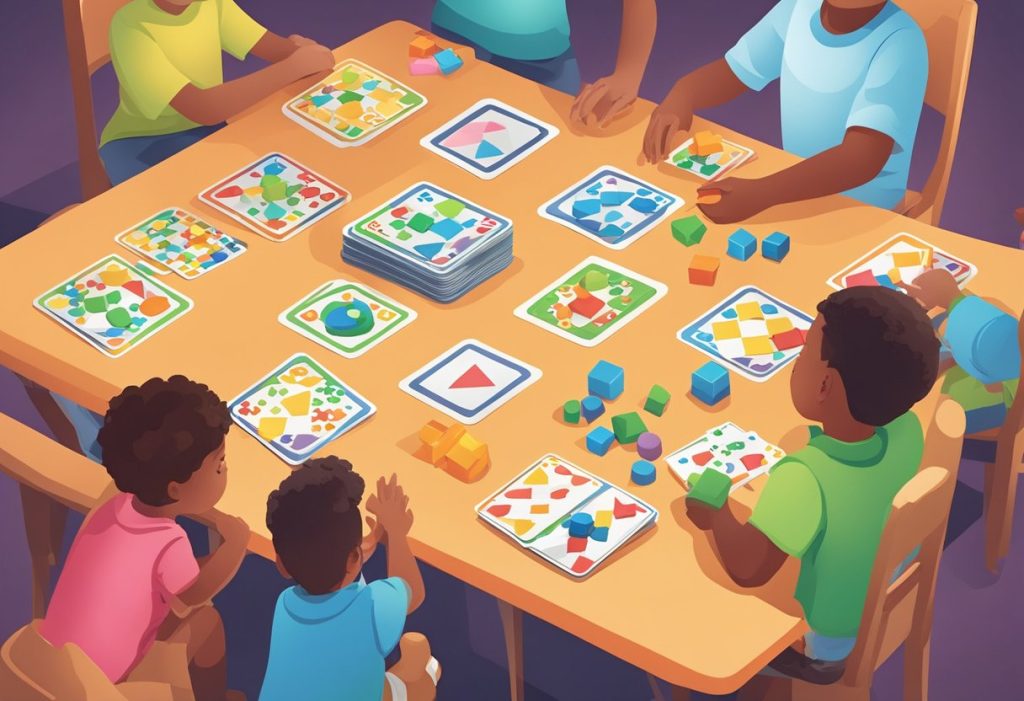
- Puzzles: Whether it’s jigsaw puzzles or 3D shape puzzles, visual pattern recognition is fundamental to piecing together elements. Players must identify colors, shapes, and interlocking patterns to succeed, enhancing their spatial awareness and observational skills as they progress.
By routinely engaging with these types of games, individuals can enhance their cognitive abilities beyond mere entertainment. Through consistent practice, players will become more adept in recognizing and applying patterns in diverse contexts. Moreover, cultivating effective observation skills, such as focusing on recurring themes and structures throughout games, plays a vital role in this developmental process. An additional key strategy is to conduct meaningful analysis by reflecting on past gaming experiences to comprehend which strategies lead to success or failure.
For those looking to delve deeper into the art of pattern recognition, numerous resources and communities exist. Online platforms provide a wealth of puzzles and games, as well as forums for discussing strategies with fellow enthusiasts. Engaging with such communities can offer new perspectives on methods of pattern identification and problem-solving, ultimately enhancing one’s gameplay experience.
In summary, the significance of pattern recognition in logic games cannot be understated. As you embark on this journey, armed with the knowledge of effective techniques and strategies, you will undoubtedly see improvements in your mental agility and cognitive flexibility. Exploring this fascinating aspect of logic games opens a world of opportunities for personal growth and intellectual challenge.
DISCOVER MORE: Click here to delve deeper
Unlocking the Secrets of Pattern Recognition in Logic Games
Pattern recognition is not merely a skill; it is a mental exercise designed to engage various cognitive faculties. Through immersive gameplay in logic games, players can cultivate this significant ability, which contributes to improved decision-making, enhanced creativity, and greater problem-solving capabilities. Let’s delve deeper into how engaging with these games fosters mental agility and offers pathways to sharpen your skills.
The cognitive benefits derived from practicing pattern recognition within logic games are profound. As players immerse themselves in these structured environments, they develop enhanced observational skills—learning to sift through vast amounts of information to extract relevant patterns. This can manifest in several areas, such as:
- Critical Thinking: Many logic games require players to analyze information and draw conclusions based on observed patterns. This type of thinking is critical when faced with real-life challenges, enabling players to solve problems methodically.
- Memory Enhancement: Logic games often involve repetitive patterns and sequences. Regularly working on these games enhances memory retention and recall, ensuring players can retrieve valuable information under pressure.
- Strategic Planning: By recognizing patterns in both their gameplay and their opponents’ actions, players can devise strategies that lead to better outcomes. This proactive approach to strategy is invaluable in competitive scenarios.
Other than the immediate intellectual stimulation, logic games help in fostering long-term cognitive development. Players often notice improved concentration and focus as they dedicate time to analyzing and understanding the intricacies of each game. Consistently engaging with challenging puzzles sharpens their mental faculties, reinforcing the brain’s ability to form connections and predict outcomes based on established patterns.
Furthermore, pattern recognition does not exist in a vacuum. Many players find that the skills they cultivate in logic games can transcend the gaming environment. For example, professionals in various fields—such as data analysis, software development, and even marketing—benefit from refined pattern recognition abilities. These skills translate into greater efficiency and effectiveness in their work, leading to innovative solutions and enhanced productivity.
While some individuals may believe that nature dictates their aptitude in pattern recognition, the truth is that practice can dramatically influence one’s capability in this area. By taking advantage of modern resources, including mobile apps and online puzzles, aspiring players can explore a broad range of logical challenges tailored to various skill levels. This accessibility democratizes learning, allowing anyone to harness their cognitive potential through engagement with an array of logic games.
In conclusion, the road to mastering pattern recognition in logic games is paved with opportunity. With the right approach, players can significantly enhance their mental agility and cognitive flexibility. As you embark on this exciting journey, remaining open to learning from each gaming experience can further enrich not only your gameplay but also your daily life.
Unlocking the Power of Pattern Recognition
Pattern recognition is crucial in developing mental agility, especially in logic games. Engaging with these games enhances cognitive skills, allowing players to identify connections and make faster decisions. This ability not only sharpens problem-solving skills but also fosters creativity, which is beneficial in both academic and professional settings.
Types of Logic Games that Foster Pattern Recognition
There are several types of logic games specifically designed to enhance pattern recognition. Puzzle games like Sudoku and crosswords challenge players to think outside the box, while strategy games such as chess encourage foresight and planning. By regularly practicing these games, individuals can improve their ability to recognize complex patterns quickly.Additionally, memory-based games like Simon Says and concentration pairs can enhance short-term memory and pattern recall, crucial components of mental agility. Engaging in a variety of these games can lead to improved performance in real-life scenarios, such as work-related problem solving or academic challenges.
Real-life Applications of Improved Pattern Recognition
Improved pattern recognition has practical applications that extend beyond gaming. In fields such as data analysis, scientists often rely on the ability to detect trends and anomalies. Similarly, educators might use these skills to recognize learning patterns among students, allowing for tailored teaching methods that cater to individual needs. Moreover, pattern recognition enhances decision-making abilities in everyday life. For instance, individuals can make quicker and more informed choices when faced with complex scenarios, from financial decisions to interpersonal conflicts.Ultimately, the skills developed through engaging with logic games can yield significant benefits across various contexts. By focusing on these games, players will not only enhance their cognitive abilities but also find themselves better equipped to navigate the complexities of the world.
| Category | Advantages |
|---|---|
| Enhanced Logical Thinking | Improves ability to analyze situations and develop solutions. |
| Increased Recall | Boosts memory retention for better performance in various tasks. |
LEARN MORE: Click here for deeper insights
Leveraging Logic Games for Cognitive Expansion
As the world moves rapidly into the digital age, the burgeoning realm of mobile apps and online platforms introduces a myriad of logic games designed to refine your pattern recognition skills. From classic Sudoku to interactive puzzle platforms, these games are accessible to anyone with an internet connection and a smartphone. The appeal lies not only in their availability but also in their adaptability; they cater to varying skill levels and allow players to progressively challenge themselves.
Research has shown that engaging with logic games can create measurable changes in neural connectivity. A study by the American Psychological Association found that individuals who regularly played strategic games exhibited significant improvements in their spatial and visual reasoning abilities. Neuroplasticity, the brain’s ability to reorganize itself by forming new neural connections, is significantly enhanced through consistent cognitive challenges. For example, math-based logic games like KenKen can bolster numerical fluency, while pattern-matching games such as Bejeweled strengthen visual recognition skills.
Moreover, logic games have entered the educational sphere, being utilized as effective teaching tools for subjects ranging from mathematics to science. Educators have acknowledged the importance of gamification—incorporating game mechanics into learning environments—as a means to motivate students and enhance critical thinking skills. For instance, games like “Rush Hour” encourage strategic foresight and planning, allowing students to experience principles of logic and problem-solving in a dynamic, engaging manner.
In professional settings as well, companies are increasingly leveraging logic games for team-building and training purposes. Organizations are incorporating these games into workshops to build a workplace culture grounded in analytical thinking and teamwork. For example, “The Game Changer” program uses collaborative logic puzzles to foster communication skills while enhancing participants’ abilities to identify patterns within group dynamics—an essential skill in today’s multifaceted corporate landscape.
Understanding your progress is also critical when it comes to sharpening pattern recognition. Many modern applications boast features such as performance tracking and adaptive learning paths. These tools analyze your play style, identify weaknesses, and adjust the difficulty accordingly. This approach not only keeps players engaged but also accelerates learning by focusing on specific areas of need.
Furthermore, the social aspect of logic games cannot be overstated. Multiplayer formats allow players to interact, share strategies, and learn from one another. Engaging with a community can expose players to diverse ways of thinking, challenging their cognitive frameworks and encouraging them to adopt new patterns of thought. Platforms such as Chess.com and online escape rooms invite collaborative problem-solving, emphasizing that cognitive agility can be greatly enriched in a social setting.
As you plunge deeper into the world of logic games, it’s essential to approach them with a mindset geared toward discovery and adaptation. Embrace the opportunity to face new puzzles and patterns, as each level represents not just a challenge but a gateway to enhancing your cognitive capabilities. Building a habit of regular play can unlock latent potential and lead to remarkable improvements in both personal and professional realms.
DISCOVER MORE: Click here to enhance your strategic thinking
Conclusion
In navigating the intricate landscape of pattern recognition in logic games, players not only enhance their mental agility but also cultivate essential cognitive skills that extend beyond the screen. These games have proven to be valuable tools for personal development, fostering neuroplasticity and improving various cognitive faculties such as problem-solving, reasoning, and spatial awareness. By actively engaging in brain-training exercises, individuals are placing themselves on a path toward sharper thinking and greater adaptability.
As highlighted throughout this discussion, the synergy of gamification in educational and corporate settings reveals immense potential. The unique blend of entertainment and cognitive challenge offered by logic games makes them a formidable ally in sharpening mental acuity. Whether used as teaching aids or team-building exercises, these games motivate individuals to persist through challenges while honing critical thinking skills. Moreover, the social interaction fostered in multiplayer formats enhances collaboration and exposes players to diverse perspectives, further enriching their cognitive experience.
Ultimately, maintaining a habit of regular engagement with logic games can unlock a wealth of cognitive benefits. As you embark on this exciting journey of exploration and improvement, remember to embrace the process itself—each puzzle solved is not merely an accomplishment but a step toward a more agile mind. The quest for cognitive enhancement through pattern recognition is one that promises rewarding insights and a more adaptive thinking style, keys to thriving in today’s ever-changing world.
Related posts:
Unveiling the Role of Pattern Recognition in Word Games
How Memory Games Enhance Pattern Recognition in Children
The Psychology Behind Pattern Recognition in Logic Games
The Impact of Pattern Recognition on Solving Puzzles and Cognitive Challenges
How Pattern Recognition Increases Competitiveness in Puzzle Competitions
The Evolution of Pattern Recognition in Sudoku Games: Strategies and Tips

Linda Carter is a writer and puzzle expert specializing in mind games, brain teasers, and cognitive challenges. With extensive experience helping individuals enhance their problem-solving skills and think critically, Linda shares her knowledge on our platform. Her goal is to empower readers with practical advice, engaging puzzles, and strategies to sharpen their minds and achieve success in the captivating world of mind games and puzzles.