The Connection between Pattern Recognition and Problem Solving in Escape Games

The Cognitive Mechanics of Escape Games
In the immersive realm of escape games, players are not just passively participating in a story; they are engaging in a rich cognitive workout. The heart of these thrilling experiences lies in two significant mental processes: pattern recognition and problem-solving skills. These skills serve as the framework for navigating complex scenarios, making escape games an intriguing blend of entertainment and intellectual challenge.
Understanding the components of these cognitive skills can enhance our appreciation of the escape game experience. First, let’s delve into pattern recognition. This facet of cognition involves identifying familiar sequences and recurrent themes, often through symbols, numbers, or visual cues scattered throughout the game. For instance, players might notice that certain colors correspond with specific puzzles or that hints follow a predictable layout. This ability to discern patterns is crucial as it allows players to connect disparate pieces of information, forming a cohesive strategy to progress.
Problem-solving complements this skill by demanding that players apply logic and creativity in real-time scenarios. Players frequently encounter puzzles requiring not just analytical thinking but lateral thinking as well—solving a riddle might demand an unexpected connection between seemingly unrelated clues. For instance, deciphering a code could hinge on recognizing that a series of geographical names translates into letters. This multifaceted approach to problem-solving enhances players’ ability to think critically and creatively, which are invaluable skills that translate into day-to-day challenges beyond just the escape room.
Additionally, the game design itself plays a pivotal role in honing these skills. Escape rooms are meticulously crafted experiences that integrate narrative elements with cleverly designed puzzles, creating a compelling environment that encourages players to engage both mentally and emotionally. Designers often layer complexities within games—players might be presented with puzzles that evolve as the game progresses, keeping them on their toes and further enhancing the demand for quick pattern recognition and effective problem-solving.
What sets escape games apart is their ability to merge these cognitive processes in a high-pressure setting. When the clock is ticking, and the stakes feel high, players must swiftly analyze clues while brainstorming solutions. This pressure cooker environment not only elevates the entertainment value but also simulates real-life situations where fast thinking and adaptability are crucial. Ultimately, understanding the relationship between pattern recognition and problem-solving in these games opens up fascinating avenues of exploration regarding cognitive development.
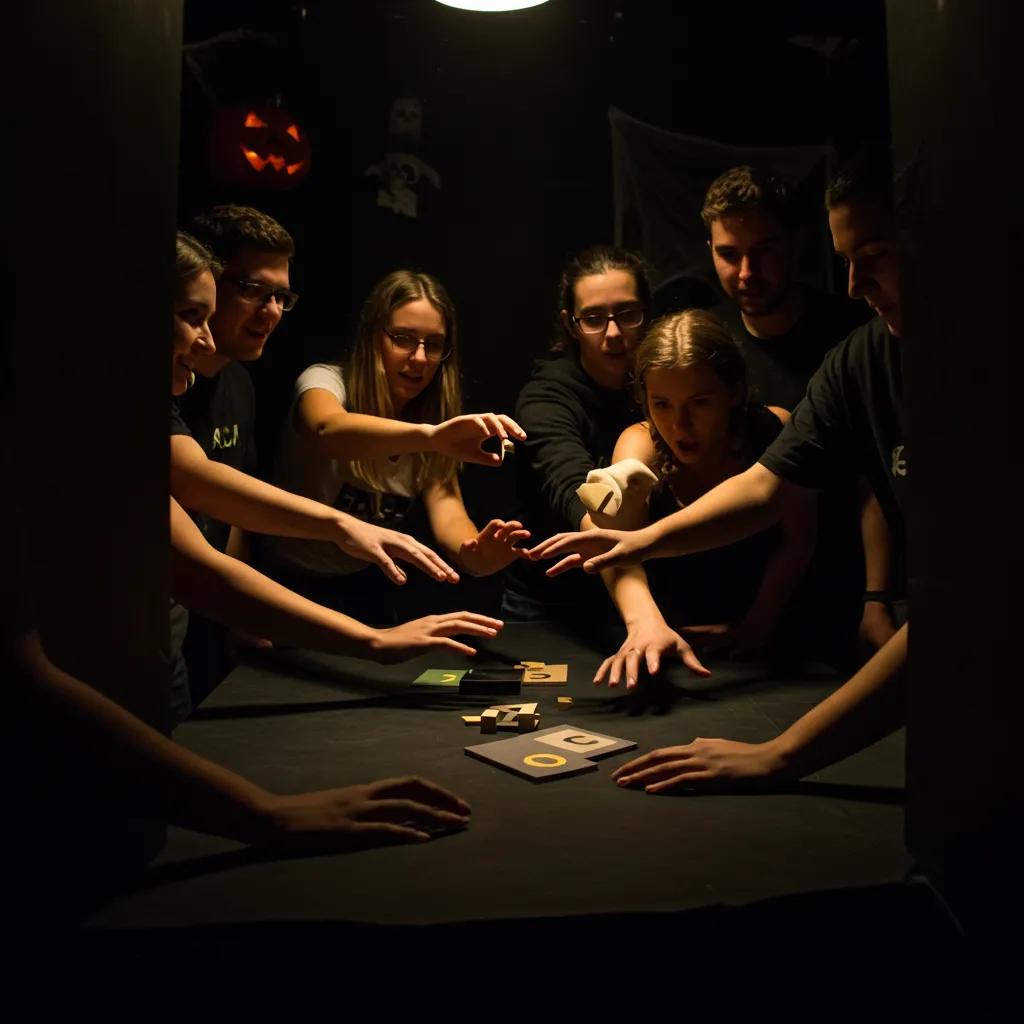
As we continue to uncover the interplay between these skills, we gain insights that have far-reaching implications beyond the realm of escape games. From enhancing our capacity to tackle everyday challenges to improving teamwork in professional settings, the lessons gleaned from such immersive experiences reflect the profound impact of cognitive engagement in our lives.
DISCOVER MORE: Click here to learn about strategic thinking skills
Unpacking Pattern Recognition in Escape Games
To truly understand the connection between pattern recognition and problem solving in escape games, it is essential to examine how these skills interact in the context of gameplay. Players are often tasked with interpreting a plethora of clues that must be approached through a keen sense of observation. This initial stage of the game is where pattern recognition becomes paramount. A player who can quickly identify repeating motifs—whether they be colors, symbols, or numerical sequences—will significantly enhance their chances of success.
In the intricate design of escape rooms, clues are seldom presented in isolation. Instead, they are interwoven in a manner that requires players to connect the dots through deductive reasoning. For example, a player may notice that certain shapes, when combined, unlock a hidden compartment. This form of critical discernment not only accelerates the pace of gameplay but also encourages deeper cognitive engagement, spurring players to make associations that might not initially seem apparent.
The psychological basis of pattern recognition lies in its evolutionary advantages; humans have developed this ability as a survival mechanism. In escape games, this instinctual skill is put to the test, as players are immersed in environments designed to challenge their cognitive faculties. By recognizing patterns amid the clutter of clues and distractions, players can formulate a clearer understanding of the overall narrative, enabling them to navigate through increasingly complex puzzles.
The Role of Game Mechanics
The very architecture of escape games fosters this cognitive synergy. Game designers strategically craft experiences that demand players not just to think but to think in ways that require integration of multiple cognitive skills. Here are some common elements that illustrate how escape game mechanics amplify pattern recognition:
- Multi-layered Clues: Clues often reveal deeper connections when scrutinized from various angles, encouraging keen observation.
- Environmental Storytelling: The physical setting often contains hidden elements that relate back to the primary puzzles, reinforcing pattern recognition.
- Time Constraints: The presence of a ticking clock intensifies focus and encourages rapid pattern identification, making success dependent on quick thinking.
- Collaborative Problem Solving: Teams must communicate effectively to share observations, prompting a richer analysis of patterns and clues.
Furthermore, the psychological impact of working under pressure cannot be overlooked. Faced with time limits, players often exhibit heightened alertness and faster cognitive processing speeds. This urgency enhances their ability to identify patterns quickly, as they push past any initial stressors that might inhibit their problem-solving capabilities.
By exploring the dynamic relationship between pattern recognition and problem solving in escape games, we can appreciate how these immersive experiences serve not just as entertainment, but as powerful tools for cognitive development. The discovery of patterns aligns with successfully navigating the twists and turns of challenging puzzles, opening a dialogue that extends far beyond the escape room.
The Connection between Pattern Recognition and Problem Solving in Escape Games
Escape games are not merely tests of your social skills or time management; they serve as fascinating case studies for understanding the intricate relationship between pattern recognition and problem-solving. As teams immerse themselves in the challenge, they begin deciphering clues that often share common themes or hidden connections, allowing players to employ cognitive strategies that further enhance their problem-solving abilities.
A crucial factor in this dynamic is how players assimilate information quickly from their surroundings. By identifying recurring motifs or symbols, they can form mental frameworks that guide their approach to solving puzzles. For instance, a player may notice that specific colors correspond to particular numeric codes, a realization that can truncate what would typically be a trial-and-error phase in solving a puzzle. This ability to form swift associations allows individuals to overcome obstacles more fluidly and efficiently.
In an escape room setting, time constraints heighten the stakes, forcing players to utilize their pattern recognition skills almost instinctively. As they encounter various riddles or mechanical locks, each incorporates elements from their previous experiences, whether momentary glances at a clue or the subtle hints dropped by fellow teammates. This interplay creates a rich tapestry of learning opportunities, where every success or failure accumulates to improve the team’s overall cognitive toolkit.
The exploration of these dynamics offers insights into not only gaming but also educational techniques, teamwork dynamics, and even problem-solving in real-world scenarios. As players emerge from their challenges, they carry with them enhanced skills that apply far beyond the confines of the escape room.
| Category 1 | Category 2 |
|---|---|
| Pattern Recognition | Enables players to identify recurring themes and clues efficiently. |
| Enhanced Problem Solving | Players develop quicker strategies and mental frameworks, improving group dynamics. |
Ultimately, understanding the connection between pattern recognition and problem-solving within escape games not only enriches the gaming experience but also provides valuable insights applicable in various facets of daily life. Players unlock new dimensions of cognitive capabilities, paving the way for improved collaboration and critical thinking.
LEARN MORE: Click here to discover how puzzles enhance cognitive skills
Enhancing Cognitive Skills through Gameplay
Beyond merely recognizing patterns, escape games initiate a dynamic interplay of cognitive skills that enhance players’ ability to solve complex problems. This game format not only engages players’ analytical thinking but also nurtures creativity, making it a rich educational tool. As players immerse themselves in these environments, they are encouraged to think outside the box—tapping into innovative solutions rather than relying solely on conventional logic.
One significant aspect of this cognitive enhancement is the concept of heuristics, which are mental shortcuts that simplify decision-making. In the context of escape games, players often develop and utilize these heuristics to quickly filter through vast amounts of information and prioritize clues that are more likely to lead to solutions. For instance, if a player consistently encounters clues that relate to a particular theme, such as Egyptian mythology, they might more readily interpret subsequent clues through that lens, thereby streamlining their problem-solving process.
Real-World Applications
The skills honed in these high-pressure environments extend far beyond the walls of the escape room. Many players find that the principles of pattern recognition and efficient problem solving fostered during gameplay translate into increased effectiveness in their daily lives. For example, professionals in high-stakes fields like emergency response, law enforcement, and medicine often rely on quick thinking and pattern recognition to make split-second decisions that can have life-or-death implications. Studies have shown that training in environments like escape rooms can improve decision-making skills in these critical professions, reinforcing the practical value of such gaming experiences.
Moreover, escape games promote teamwork—a vital aspect of many work environments today. The social dynamics present in these games encourage players to share their observations and insights, which leads to a collaborative approach in deciphering clues. Research indicates that diverse teams, made up of individuals with different perspectives, tend to perform better in problem-solving tasks. This aspect of teamwork not only fosters greater pattern recognition among participants but also empowers individuals to think critically and articulate their reasoning to others—key skills in effective communication.
Technological Integration
The evolution of escape games has also introduced advanced technologies, which further stimulate players’ pattern recognition and problem-solving faculties. Augmented reality (AR) and virtual reality (VR) experiences provide intricate, multi-sensory environments where players can physically manipulate objects, enhancing their engagement and cognitive exploration. For instance, an escape room that utilizes AR might present players with interactive clues that change based on previous actions, deepening the immersive experience and demanding heightened observational skills to recognize new patterns as the game progresses.
In addition, digital escape games available on various platforms have also made it easier for players of all ages to experience the cognitive benefits of these challenges. With options ranging from online puzzles to mobile applications, accessibility has expanded, ensuring that anyone can partake in this growing phenomenon. The increasing popularity of escape room-based challenges now presents opportunities for educators to integrate similar activities into their curricula, combining fun with cognitive skill development.
In summary, the intricate connection between pattern recognition and problem solving in escape games ultimately reveals the potential for these experiences to enhance cognitive simplicity and creativity, equipping players with skills that reverberate throughout their personal and professional lives. As more people engage with this unique form of entertainment, the discussions surrounding its applications and educational benefits continue to expand, suggesting that the implications stretch far beyond mere fun and games.
DIVE DEEPER: Click here to learn more
Conclusion
The exploration of pattern recognition and problem solving in escape games unveils a captivating intersection that holds profound implications for cognitive development. Through the immersive challenges presented in these games, players not only engage in critical thinking but also cultivate a comprehensive skill set that promotes both individual and collaborative problem-solving capabilities. The unique blend of analytical and creative strategies encouraged in these environments enables participants to navigate complex scenarios, ultimately leading to more effective decision-making in real-life situations.
Furthermore, the transferable skills acquired from gameplay extend into professional realms, empowering individuals in fields that thrive on quick thinking and adaptability. The teamwork dynamics inherent in escape games illustrate the power of diverse perspectives and collaborative efforts, reinforcing that true innovation often arises from shared insight and collective reasoning.
As the landscape of escape games continues to evolve with advancements in technology, opportunities for enhancing cognitive abilities will only grow. With the integration of augmented and virtual reality experiences, players are likely to experience heightened engagement and deeper cognitive challenges. This burgeoning medium paves the way for educators and trainers to harness the power of escape games as a tool for skill development, encouraging users of all ages to refine their cognitive capabilities.
In conclusion, the connection between pattern recognition and problem solving in escape games is not merely an intriguing phenomenon; it serves as a compelling reminder of how play can transform thinking patterns, ultimately enriching our personal and professional lives in profound ways. Engaging more deeply with these experiences can ignite further interest and research into their remarkable potential, encouraging individuals to explore the myriad benefits they can offer.
Related posts:
Pattern Recognition in Simulation Games: The Key to Strategic Decisions
Pattern Recognition and Its Relationship with Creativity in Complex Puzzles
The Psychology Behind Pattern Recognition in Logic Games
How Memory Games Enhance Pattern Recognition in Children
Pattern Recognition in Trivia Games: Stimulating Knowledge and Memory
The Psychology Behind Pattern Recognition in Mind Games

Linda Carter is a writer and puzzle expert specializing in mind games, brain teasers, and cognitive challenges. With extensive experience helping individuals enhance their problem-solving skills and think critically, Linda shares her knowledge on our platform. Her goal is to empower readers with practical advice, engaging puzzles, and strategies to sharpen their minds and achieve success in the captivating world of mind games and puzzles.