The Impact of Word Games on the Development of Strategic Thinking
The Evolution of Word Games
For centuries, word games have held an undeniable charm, transitioning from traditional board games like Scrabble and Boggle to contemporary digital formats such as Words With Friends and Wordle. These games are more than just a form of leisure; they serve as powerful tools for enhancing mental agility and fostering cognitive skills.
The Cognitive Benefits of Playing Word Games
Research indicates that engaging with word games can significantly influence strategic thinking in various meaningful ways. For instance, consider the aspect of problem-solving. Players are challenged to dissect and manipulate letters, often leading to creative word formulations under time constraints. This encourages the development of analytical abilities as individuals learn to prioritize which combinations yield the highest point value, reflecting real-life scenarios where strategic decision-making is paramount.
Furthermore, each move in a game requires decision-making skills. Players must consider multiple factors, including potential opponent responses and the long-term impact of their choices. This dynamic cultivates foresight, as participants learn to weigh benefits against risks, reinforcing their ability to strategize effectively both in-game and beyond.
In addition, pattern recognition emerges as a critical skill. Players become adept at identifying common prefixes and suffixes, as well as frequently used combinations, which enhances their overall analytical skills. This increased awareness can be invaluable in various academic and professional settings, where pattern recognition leads to quicker problem resolution and better decision-making.
The Social Dynamics of Word Games
Word games also create a unique environment that fosters both competition and collaboration. Popular titles such as Scrabble and Words With Friends not only sharpen individual intellect but also enhance social skills. Players often gather with friends or family, providing opportunities for communication, teamwork, and even mentorship. The shared experience of strategizing together can strengthen interpersonal bonds and promote healthy competition, making learning enjoyable.
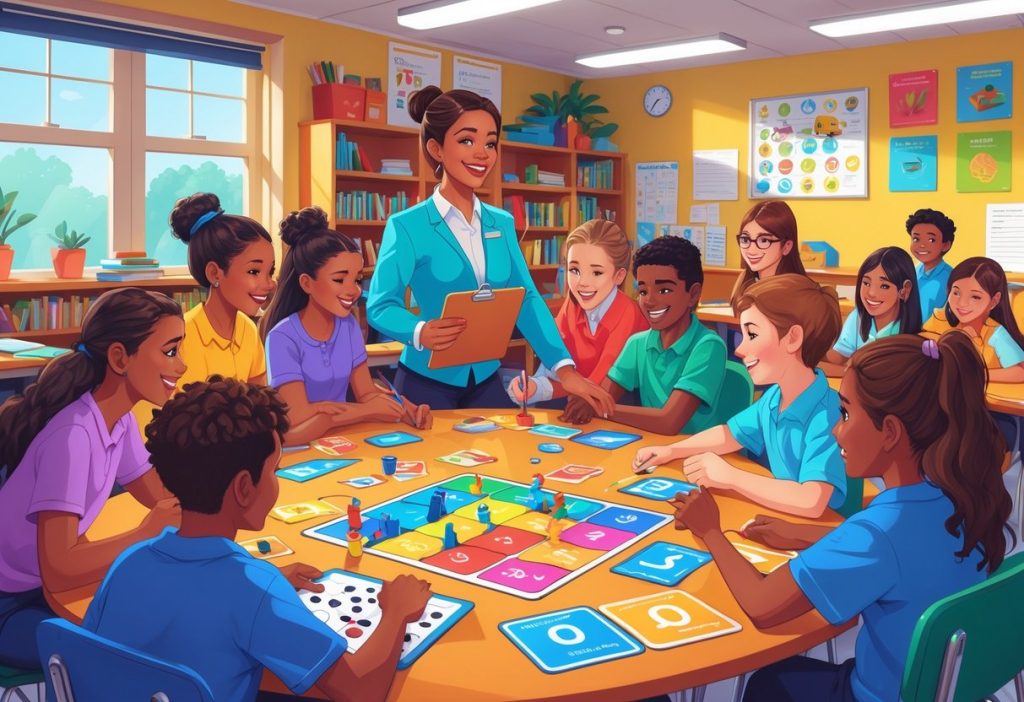
As we further explore the implications of these captivating games, particularly for educators and parents, it becomes evident that they serve as crucial instruments in developing a generation of thinkers capable of tackling complex challenges. By integrating word games into casual gaming or formal educational environments, one can stimulate curiosity, enhance language skills, and foster deeper cognitive engagement.
In conclusion, the evolution of word games underscores their importance not just as a source of entertainment, but as pivotal tools for cognitive and social enhancement, reminding us that sometimes, the simplest activities can yield profound developmental outcomes.
DISCOVER MORE: Click here to enhance your memory with puzzles
Boosting Strategic Thinking Through Word Games
As players immerse themselves in word games, they tap into a world of cognitive benefit that extends beyond mere entertainment. The mechanics of these games not only engage players intellectually but also prime them for strategic thought—an essential skill in everyday life. Engaging with word games encourages participants to think several steps ahead, leading to the development of effective strategies that can be applied in various scenarios, including problem-solving, decision-making, and competitive contexts.
The Mechanism of Strategy in Word Games
The very essence of strategic thinking can be dissected into several components, and word games serve as a practical training ground. The following elements are crucial in understanding how these games enhance strategic abilities:
- Anticipation: Players learn to predict their opponents’ moves, allowing them to adjust their strategies accordingly. This skill develops a deeper understanding of competitive dynamics.
- Resource Allocation: Each player must strategically choose their tiles, weighing the value of particular letters or words. This fosters an awareness of maximizing limited resources, a lesson applicable in various real-life scenarios.
- Flexibility: The nature of word games requires quick thinking and adaptability. Users often face unexpected moves or changes in scoring potential, pushing them to reassess their strategies on the fly.
Through these components, players enhance their strategic foresight. The ability to envision potential future scenarios based on current actions is foundational to both word games and strategic life choices. Studies have shown that individuals who regularly engage in word games often display sharper problem-solving capabilities in broader contexts. In fact, a study published in the Journal of Cognitive Psychology found that students who participated in word games excelled in standardized tests that emphasized critical thinking and problem-solving skills.
Moreover, the cumulative experience gained while playing word games contributes to better long-term planning. Participants learn that not every move leads to immediate rewards; sometimes, sacrifices must be made for greater future gains. This concept illustrates a key principle of strategic thinking: the ability to delay gratification in favor of more significant rewards down the line.
The Educational Implications of Word Games
Educators and psychologists alike have recognized the potential of word games to foster strategic thinking among learners. The incorporation of these games into classroom settings not only makes learning enjoyable but also cultivates higher-order thinking skills. For instance, teachers often deploy these games to:
- Encourage critical analysis of language usage
- Promote teamwork and social interaction among students
- Engage students with various literacy levels, ensuring inclusivity
As such, word games are not merely pastimes; they are strategic tools that prepare individuals for the complexities of modern life. The implications extend well into adulthood, where the decision-making skills honed through casual game play can translate to effective leadership and problem-solving in professional settings.
According to recent studies, engaging in word games significantly boosts cognitive function, particularly in strategic thinking. These games, such as Scrabble, Boggle or crossword puzzles, require players to make quick decisions, assess multiple possibilities, and weigh their options—all of which strengthen a player’s ability to think strategically.One of the key advantages of word games is their ability to enhance vocabulary. A richer vocabulary can lead to improved comprehension of various texts and the ability to articulate thoughts more effectively. Players often find themselves exploring new words, which prompts a deeper understanding of language structure and usage. With every game, players sharpen not only their communication skills but also their problem-solving capabilities, as they must anticipate opponents’ moves and adapt their strategies.Furthermore, studies have shown that word games encourage collaboration and social interaction. Playing these games in a group setting fosters teamwork, as players often discuss strategies and cooperate on word formations. This dynamic not only enhances the enjoyment of the game but also promotes critical thinking and a collaborative spirit, essential elements in developing strategic approaches in various life scenarios.Moreover, word games may serve as a stress reliever. Engaging the mind in this way can divert attention from daily pressures. This mental engagement is beneficial as it allows players to unwind while simultaneously nurturing their strategic and cognitive abilities.In conclusion, the far-reaching effects of word games on strategic thinking and cognitive development cannot be overlooked. Both young and old can benefit from these activities, making them not just a source of fun but also an excellent tool for self-improvement and strategic growth. To better illustrate these advantages, consider the table below, which outlines some key elements related to the impact of word games on strategic thinking.
| Cognitive Skills Developed | Examples from Word Games |
|---|---|
| Critical Thinking | Analyzing scenarios to optimize plays |
| Vocabulary Expansion | Learning new words and usage |
| Social Skills | Increasing collaboration through teamwork |
DISCOVER MORE: Click here to dive deeper
Word Games as Catalysts for Mental Agility
Beyond mere vocabulary enhancement, word games act as catalysts for developing mental agility, an essential component of strategic thinking. The ability to think on one’s feet and swiftly adapt to new information is critical, not only in games but in everyday problem-solving situations. Engaging with word games sharpens this mental acumen through challenges that require quick assessment and real-time strategy adjustments.
Enhancing Cognitive Flexibility
Word games such as Scrabble, Boggle, and Words with Friends encourage players to exhibit cognitive flexibility. This term refers to the brain’s ability to switch between thinking about different concepts or to think about multiple concepts simultaneously. Cognitive flexibility is crucial in strategic planning as it allows individuals to modify their strategies when faced with changing circumstances or unexpected challenges.
Research indicates that players who regularly participate in these games show improved cognitive flexibility. A study published in the journal Neuropsychology Review highlighted that engaging in word games helps strengthen neural pathways associated with adaptation and problem-solving. Specifically, children and adults alike demonstrate enhanced skills in managing conflicting information, a key aspect of effective decision-making.
Social Dynamics and Strategic Thinking
The social interaction embedded in multiplayer word games also plays a significant role in developing strategic thinking. Competing against others necessitates not only a keen understanding of language but an acute social awareness that involves reading opponents’ motivations and plans. The dynamics of these games teach players about collaboration and competition simultaneously.
- Understanding opponents: Players must learn to read their opponents’ cues and adjust their tactics based on perceived strengths and weaknesses.
- Negotiation skills: In friendly matches, discussions about strategies and game rules enhance verbal communication skills and negotiation tactics.
- Building resilience: Facing defeat teaches players to withstand disappointments and adjust future strategies, fostering resilience that transcends the game.
These social and competitive aspects underscore the importance of interpersonal relations in strategic thinking. Players often find themselves in situations where forming alliances or managing rivalries can affect gameplay, adding another layer of strategic consideration that mirrors real-life social interactions.
Empirical Evidence Supporting Strategic Benefits
Empirical studies reinforce the connection between word games and enhanced strategic thinking. A noteworthy experiment published in Intelligence Journal examined the impact of regular word game play on adults aged 18 to 65. The findings demonstrated that individuals who engaged in word games several times a week scored 15% higher on tests of executive function compared to non-players. The implications of these findings suggest that regular participation can lead to measurable improvements in strategic decision-making abilities.
In educational and occupational settings, these cognitive benefits translate into improved academic performance and job outcomes. As organizations increasingly value critical thinking and problem-solving capabilities, individuals who have honed these skills through word games may be better equipped for success in competitive environments.
In summary, through the interplay of mental agility, social dynamics, and cognitive benefits, word games serve as powerful tools in nurturing strategic thinking. This extends beyond the game board, preparing individuals for the multifaceted challenges found in everyday life and professional arenas.
DISCOVER MORE: Click here to enhance your problem-solving skills
Conclusion: The Lasting Influence of Word Games on Strategic Thought
In conclusion, word games serve as more than just a recreational pastime; they are instrumental in cultivating strategic thinking capabilities that extend into various aspects of life. By honing skills such as cognitive flexibility, players enhance their ability to pivot and adapt their strategies in the face of shifting challenges—whether in a competitive game or in day-to-day decision-making scenarios.
The merger of social dynamics and gaming further enhances the learning experience. Players engage in a rich tapestry of interactions that foster crucial interpersonal skills. These include not only understanding opponents but also sharpening negotiation skills and developing resilience. This multidimensional learning experience transforms mere gameplay into a substantial pedagogical tool that addresses real-world complexities.
Moreover, the empirical evidence bolstering the cognitive benefits derived from regular engagement with word games cannot be overlooked. The demonstrated increase in executive function scores indicates that there is a measurable advantage for individuals who actively participate in these activities. As educational institutions and workplaces increasingly prioritize critical thinking and innovative problem-solving, those who have developed these skills through word games stand out as more capable and prepared to meet diverse challenges.
Ultimately, the impact of word games on the development of strategic thinking is profound and far-reaching. As more people choose to make these games a part of their routine, they not only enhance their vocabulary but also enrich their mental toolkit for tackling the complexities of life. This offers a unique opportunity for individuals seeking both personal growth and professional success, highlighting the practical relevance of what may seem like simple wordplay.
Related posts:
Exploring the Relationship Between Mathematical Puzzles and the Development of Strategic Thinking
The Intersection Between Simulation and Strategy Games in Business Leader Development
The Connection Between Visual Puzzles and Strategic Analysis in Complex Situations
The Evolution of Strategic Thinking Through Narrative Puzzles
How Logic Puzzles Increase Strategic Thinking Flexibility
The Importance of Strategic Thinking in Board Games: How to Plan to Win

Linda Carter is a writer and puzzle expert specializing in mind games, brain teasers, and cognitive challenges. With extensive experience helping individuals enhance their problem-solving skills and think critically, Linda shares her knowledge on our platform. Her goal is to empower readers with practical advice, engaging puzzles, and strategies to sharpen their minds and achieve success in the captivating world of mind games and puzzles.