The Importance of Strategic Thinking in Board Games: How to Plan to Win
The Role of Strategic Thinking in Board Games
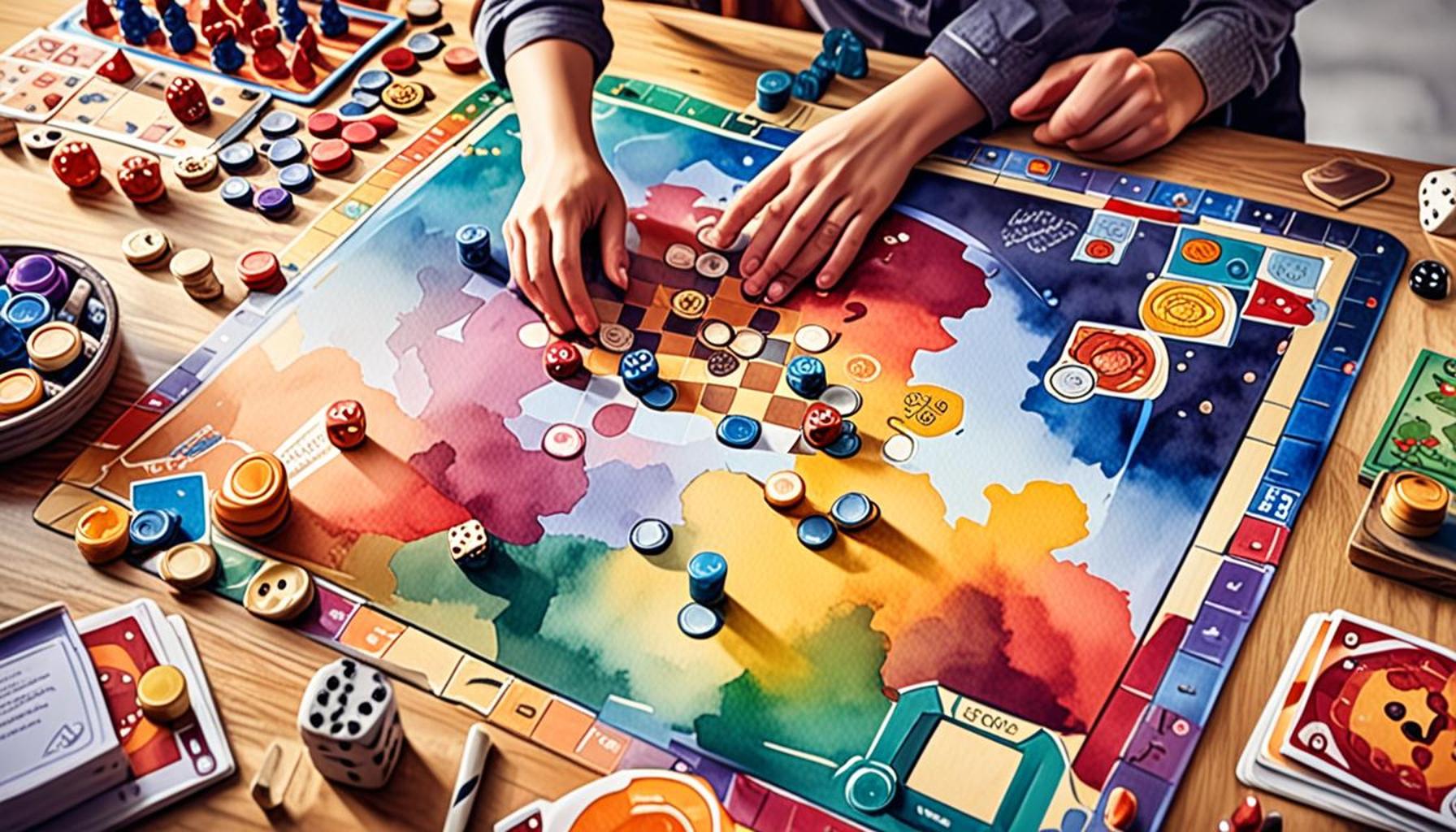
In the realm of board games, every move can be pivotal. While luck can play a part, it is the players’ ability to think strategically that often determines the final outcome. Strategic thinking involves carefully crafting a plan, analyzing current situations, and anticipating the actions of opponents. Players who thrive on the board are not merely responding to what is happening; they are actively shaping the game through their decisions.
One of the most critical aspects of strategic thinking is enhanced decision-making. In games like Settlers of Catan, players must assess various factors, such as resource availability and opponent strategies, to make optimal trades and build effective settlements. For instance, if a player identifies that brick is in low supply, they might decide to trade wood for brick, even if it means giving up a bit more than they prefer. Similarly, in games like Chess, players must contemplate their next moves in multiple dimensions, considering both offensive and defensive possibilities, which enhances their overall decision-making abilities.
The second key benefit is improved problem-solving. Board games often present complex challenges, and players are frequently required to come up with creative solutions under pressure. Take, for example, the game Risk, where players must think strategically about territory expansion and troop allocation. A well-timed alliance can turn the tide of the game, but it needs careful planning and adjustment based on the opponents’ responses. This dynamic of adapting to new challenges cultivates a mindset that is valuable in real-world scenarios, such as navigating workplace conflicts or daily decision-making processes.
Furthermore, increased anticipation of opponents’ moves is a hallmark of successful players. Understanding the psychology behind an opponent’s strategies can enable proactive play. In games like Bridge or Ticket to Ride, recognizing patterns in an opponent’s game style can provide a significant advantage, allowing players to block routes or anticipate necessary card plays. Anticipation develops not only through experience but also through careful observation and analysis, skills that are crucial in any strategic endeavor outside the game board.
As players immerse themselves in games that demand strategic thought, they discover skills that enhance their daily lives. Whether it’s honing negotiation skills during trades in a game or developing critical thinking through complex game scenarios, the applications of strategic thinking are far-reaching. This ability to plan ahead and analyze outcomes fosters personal growth, making it an invaluable asset in both gaming and life.
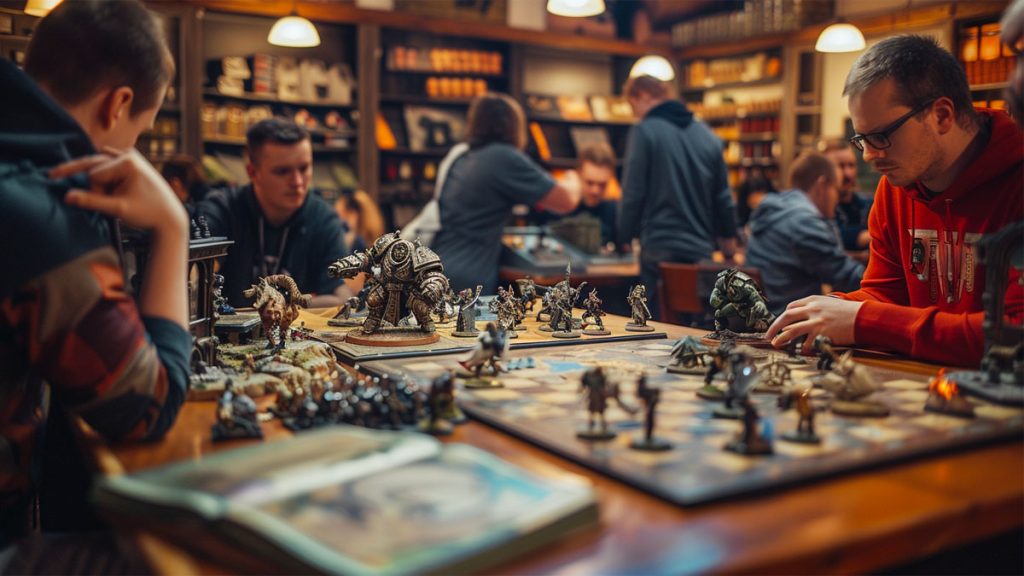
In conclusion, players looking to elevate their gaming experience should focus on cultivating their strategic thinking skills. Not only will this lead to more satisfying victories, but it will also sharpen their ability to tackle challenges in various aspects of life. Get ready to deepen your understanding of strategy and discover how it can pave the way to victory on and off the board.
DIVE DEEPER: Click here to uncover the secrets of pattern recognition
Harnessing Strategic Decision-Making in Board Games
Strategic thinking in board games extends beyond simple decision-making; it encompasses a multi-layered understanding of gameplay mechanics, player psychology, and long-term planning. To truly excel, players must not only react to the current state of play but also envision future outcomes based on their and their opponents’ potential actions. This foresight is what transforms casual gamers into formidable opponents.
One crucial element of strategic decision-making is the ability to calculate risks and rewards. In games like Monopoly, a player may have to choose whether to invest heavily in a property market with limited returns, or to play conservatively while waiting for better opportunities. This balancing act mimics real-life financial decisions, where players are constantly weighing potential gains against possible losses. A wise player understands that the thrill of the game lies not just in making bold moves but in those well-calculated ones that safeguard their position while advancing their goals.
Another compelling aspect of strategic thinking is the necessity for long-term vision. In games such as Ticket to Ride, players must plan routes that not only fulfill their immediate objectives but also thwart potential threats from opponents. This requires a forecast of how routes might evolve throughout the game, creating a web of dependencies that go beyond individual turns. Long-term planning encourages players to think several steps ahead, similar to navigating a chessboard where every move affects future possibilities.
Furthermore, players benefit significantly from assessing opponent behavior. The best board game strategists spend as much time studying their opponents’ habits and tendencies as they do on their own strategies. A useful approach in games such as Catan involves closely observing which resources opponents prioritize. Understanding their trading strategies allows a player to manipulate the game state—a process that involves psychological insight as much as tactical reasoning. This observation can lead to preemptive strikes that block opponents from achieving their objectives, thereby increasing one’s chances for victory.
To grasp the full breadth of strategic thinking in board games, consider the following key points:
- Risk Assessment: Evaluate the potential outcomes of each move and its impact on overall strategy.
- Long-Term Planning: Develop strategies that consider not only immediate goals but also future implications.
- Opponent Analysis: Learn to read the strategies and behaviors of others to better anticipate and counter their moves.
The world of board games serves as a remarkable microcosm for life’s strategic challenges. By embracing these lessons, players can refine their strategic thinking, elevating their gameplay while cultivating skills that resonate far beyond the game board. Whether navigating complex negotiations in business or making everyday decisions, the principles gained from thoughtful play are universally applicable, making strategy an invaluable asset.
The Psychological Edge of Strategic Thinking
Strategic thinking in board games does not merely involve understanding the mechanics of the game; it encompasses grasping the psychology of opponents. When players anticipate their opponents’ moves, they can formulate responses that not only protect their interests but also create offensive opportunities. For instance, a game like Chess demands players to think several steps ahead, fostering a deeper understanding of predictive strategies. This ability to analyze and adapt is instrumental, providing players with a significant psychological edge.
The Role of Risk Management
Incorporating strategic thinking also means recognizing and managing risks effectively. Board games often place players in positions where they must decide between potential gains and possible losses. Understanding the balance between risk and reward is fundamental for a winning strategy. A classic example is Monopoly, where strategic acquisition of properties can yield high returns if properly managed, but poor decision-making can lead to ruin. Developing this skill not only enhances gameplay but also translates to real-life situations, allowing individuals to make better decisions under uncertainty.
Building Long-Term Goals
Another key element of strategic thinking is the establishment of long-term goals. While immediate wins can be thrilling, successful players often focus on the broader picture. In games like Settlers of Catan, players must think beyond the current round, considering resource accumulation and trade routes to secure victory in future turns. This perspective encourages players to remain forward-thinking, a valuable skill that can be applied in various aspects of life, from career planning to personal relationships.
Collaboration and Team Dynamics
Strategic thinking is not only about individual play but also involves understanding team dynamics. In games that require cooperation, such as Pandemic, players must strategize collectively, blending their unique strengths to tackle challenges. This cooperative strategy fosters a sense of camaraderie and enhances communication skills. By working together effectively, team members can develop complex strategies that increase their chances of success. The ability to collaborate and communicate strategically can lead to more fulfilling and productive interactions outside the gaming context.
Continuous Improvement and Learning
Finally, strategic thinking in board games encourages a mindset of continuous improvement. Players are often faced with learning curves that require them to adapt and refine their strategies over time. Games like Terraforming Mars challenge players to pivot based on changing dynamics, promoting adaptability and resilience. This ongoing learning process not only enhances gameplay but also emphasizes the importance of embracing failure as a springboard to success, preparing individuals for challenges in both gaming and real-world scenarios.As players delve deeper into the realm of strategic thinking within board games, they unravel a treasure trove of cognitive skills and interpersonal strategies that can greatly impact their lives beyond the gaming table. Engaging with these concepts captivates both seasoned gamers and newcomers, inviting them to explore the fascinating intersection of strategy, psychology, and teamwork.
DISCOVER MORE: Click here to dive deeper
Enhancing Skills Through Strategic Play
The advantages of strategic thinking in board games extend well beyond the immediate context of a single game night, positively influencing players’ cognitive skills, emotional intelligence, and social interactions. Players cultivating their strategic prowess often find that these skills translate into real-life situations, enhancing decision-making abilities in personal and professional arenas.
A particularly significant benefit of engaging in strategic board games is the enhancement of critical thinking skills. For instance, in complex games like Twilight Struggle, players must analyze multiple layers of conflict between superpowers during the Cold War. Strategic choices determine the deployment of resources, influence in regions, and the potential for risk escalation. Each decision demands thorough analysis and minute attention to detail, improving the player’s aptitude for assessing multifaceted scenarios. Critical thinking skills sharpened through board gaming become invaluable in workplaces, enabling individuals to tackle challenges with a clearer, more analytical mindset.
Moreover, board games often require an element of collaboration and negotiation, crucial components in navigating many aspects of daily life. In games like Diplomacy, players must engage in discussions with opponents to form alliances or broker trades. The ability to read emotions, understand motivations, and communicate effectively is paramount. These interactions hone emotional intelligence, fostering empathy and enhancing interpersonal relationships. As players build alliances on the game board, they also practice pivotal negotiation skills that can serve them well in business meetings and social settings.
Board games also provide a unique platform for players to experience the impact of their decisions in real-time. In games such as Power Grid, players must effectively manage resources while competing against others to expand their network of power plants. The immediate feedback loop of winning or losing based on decisions made during the game reinforces the importance of strategic planning. This reflective practice helps develop a player’s ability to learn from mistakes, ensuring continuous improvement in both gaming and practical decision-making contexts.
As players delve deeper into the nuances of various games, they begin to appreciate the significance of being adaptive and flexible in their strategies. Board games often present unexpected twists, requiring quick-thinking and adjustments based on changing circumstances. For example, a player may plan a route in Ticket to Ride only to discover that an opponent blocks their pathway. This necessity for adaptability sharpens a player’s ability to pivot their plans, a critical skill in fast-paced business environments where market conditions change rapidly.
In summary, the intersection of strategic thinking and board games is rich and multifaceted. Players who engage deeply with these games can enhance their critical thinking, emotional intelligence, and adaptability—skills that extend far beyond the gaming table. Whether in competitive corporate arenas or everyday interactions, the strategies cultivated through board gaming prepare individuals to navigate life’s complexities with confidence and foresight.
DISCOVER MORE: Click here to enhance your strategic skills
Final Thoughts on Strategic Thinking in Board Games
In conclusion, the significance of strategic thinking in board games cannot be overstated. Not only do these games offer an engaging platform for recreation, but they also serve as a crucial training ground for essential life skills. As players navigate through complex scenarios, they develop critical thinking, enhance their emotional intelligence, and become adept at problem-solving. Each game presents unique challenges that compel participants to analyze, adapt, and negotiate—skills that find their relevance in various aspects of life, from professional settings to personal relationships.
The transformative power of board games extends beyond their entertainment value. By employing strategic planning throughout the gaming experience, individuals sharpen their capacity to approach real-world dilemmas with increased acuity. The adaptability required to change tactics on the fly mirrors the unpredictable nature of contemporary work and social environments, preparing players to respond effectively to unforeseen circumstances. As such, engaging with complex board games can lead to a profound understanding of strategy that enriches not only one’s gameplay but also everyday decision-making processes.
Ultimately, the embrace of strategic thinking in board games will foster a generation equipped to tackle challenges head-on. The skills honed within the competitive yet cooperative ambiance of these games can redefine how we view strategy—not merely as a means to win but as a vital approach to succeeding in life. So, whether you are a seasoned strategist or a casual gamer, dive into the world of board games and discover the valuable lessons they offer in planning to win.
Related posts:
How Modern Board Games Stimulate Strategic Thinking in Competitive Environments
Unraveling Complex Puzzles: The Role of Strategic Thinking in Solving Mental Challenges
The Evolution of Strategic Thinking Through Narrative Puzzles
The Influence of Card Games on Planning and Movement Anticipation Ability
The Importance of Strategic Thinking in Classic Board Games
The Role of Logic Games in Enhancing Strategic Problem-Solving Skills

Linda Carter is a writer and puzzle expert specializing in mind games, brain teasers, and cognitive challenges. With extensive experience helping individuals enhance their problem-solving skills and think critically, Linda shares her knowledge on our platform. Her goal is to empower readers with practical advice, engaging puzzles, and strategies to sharpen their minds and achieve success in the captivating world of mind games and puzzles.