The Influence of Strategy Games on Decision-Making Abilities in Real-Life Problem Solving
Understanding the Connection
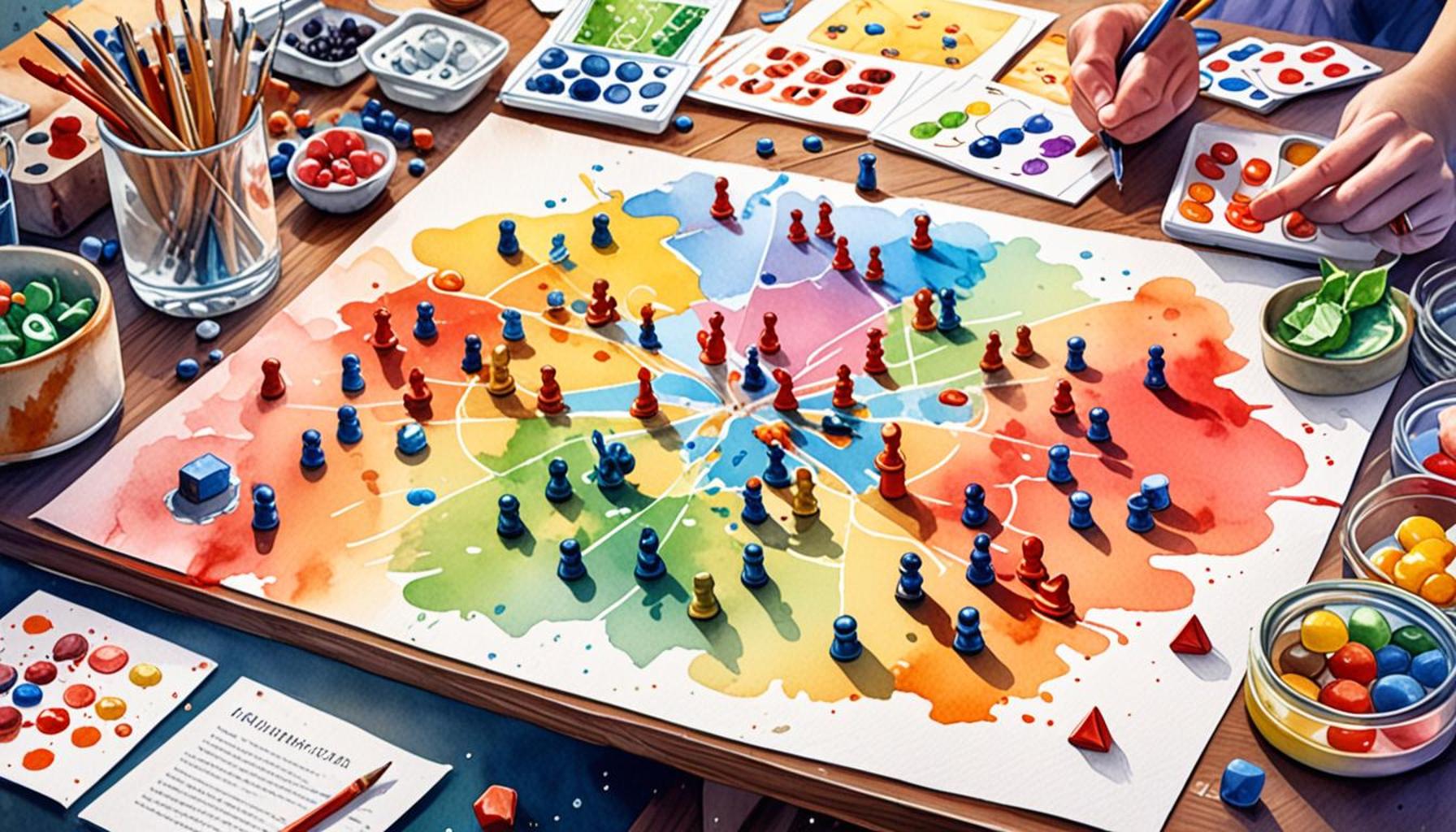
In today’s rapidly evolving world, where quick thinking and effective problem-solving are essential, strategy games have emerged as powerful tools for enhancing decision-making skills. These games, whether played on complex digital platforms or around a tabletop, challenge players to engage in critical thinking, strategic planning, and resource management.
One of the defining features of strategy games is their demand for critical thinking. Players must analyze a variety of possible outcomes and scenarios before making informed decisions that can significantly affect the game. For example, in a game like *Civilization*, players must consider the implications of choosing to go to war versus focusing on technological advancement, weighing short-term gains against long-term benefits. This analytical process encourages players to think several steps ahead, much like chess, where anticipating the opponent’s move is everything.
Moreover, players frequently find themselves engaged in risk assessment. Understanding the potential consequences of each action taken is crucial in navigating the challenges presented within these games. In *Risk*, a player who aggressively expands their territory might find themselves vulnerable to counterattacks, teaching the importance of balanced risk and reward strategies. These lessons are invaluable in real-life situations where assessing risks can lead to better decision-making.
Resource management is another vital component of strategy games that has real-world applications. Players must expertly allocate their limited resources, whether it’s in a game about building empires or managing a team in a sports simulation. Through this, individuals learn to prioritize effectively and develop a foresight that could be applicable in personal financial planning or project management in their careers. For instance, gamers often become adept at evaluating which resources to invest in to maximize their returns, a skill that translates directly into workplace efficiency.
Research supports the premise that engaging with strategy games can lead to enhanced cognitive skills and improved performance in daily tasks. Studies suggest that gamers often demonstrate improved problem-solving abilities, creativity, and adaptability in real-world scenarios. This connection between gaming and cognitive enhancement opens the door to several intriguing inquiries:

- How do these virtual experiences shape decision-making in high-pressure environments, such as during a crisis at work?
- Can strategy gaming contribute to better outcomes in business negotiations or personal relationships?
- What scientific studies provide evidence for the positive correlation between gaming and cognitive enhancement?
By delving into these questions, we begin to unravel the mechanics behind strategy games and their far-reaching effects on decision-making abilities. As we explore further, we may find that the lessons learned in these immersive experiences hold greater value than mere entertainment, offering insights that can profoundly impact various aspects of life.
DISCOVER MORE: Click here to unlock the secrets of strategic thinking
The Cognitive Benefits of Strategy Games
Strategy games are not merely an entertaining pastime; they serve as engaging platforms that cultivate valuable cognitive skills. These games require players to make quick and informed decisions in dynamic environments, forcing them to adapt and respond to new information almost instantaneously. Research indicates that such engagement may lead to significant improvements in decision-making abilities and overall cognitive performance.
One key area where strategy games shine is in the development of problem-solving skills. Consider games like *StarCraft* or *Age of Empires*, where players are tasked with constructing civilizations while fending off adversaries. Success in these games hinges on the player’s ability to identify challenges, devise innovative solutions, and implement strategies efficiently. Research has shown that players of real-time strategy games exhibit heightened problem-solving competencies, enabling them to approach real-life issues with increased creativity and agility.
The Art of Anticipation
An essential component of strategy gaming is the art of anticipation. Players must predict their opponents’ moves while concurrently planning their actions, a skill that translates well into real-world scenarios. For instance, executives negotiating contracts often need to anticipate the needs and responses of their counterparts. In this vein, studies suggest that individuals who engage in strategy games tend to display improved foresight and tactical thinking, enabling them to navigate complex decision-making landscapes.
- Enhanced Situational Awareness: Gamers become adept at reading cues and recognizing patterns within the game, a skill easily transferable to professional environments where understanding dynamics is critical.
- Strategic Flexibility: The ability to pivot one’s strategy based on the evolving nature of the game reflects how individuals can better manage change in high-stakes situations, such as during corporate restructuring.
- Improved Conflict Resolution: Engaging in competitive gameplay fosters a mindset that values negotiation and compromise, essential skills in both personal relationships and workplace interactions.
The influence of strategy games further extends to team-based gameplay, which promotes collaboration and communication among players. In multiplayer settings, individuals must work together to achieve a common goal, facilitating skills in teamwork that are crucial in virtually every field. For example, gaming environments often simulate scenarios resembling workplace dynamics, where effective communication and shared responsibility can lead to success or failure. This team dynamic reinforces the concept that effective decision-making doesn’t happen in isolation; it flourishes in a collaborative context.
As we dig deeper into these cognitive benefits, we begin to unravel how strategy games equip players with the tools necessary for effective decision-making in real-life problem-solving scenarios. The lessons learned within these immersive worlds provide players with a unique perspective on handling tasks and challenges that extend far beyond the confines of gaming.
| Advantage | Impact on Decision-Making |
|---|---|
| Enhanced Critical Thinking | Strategy games require players to analyze situations, forecast outcomes, and devise plans, promoting superior critical thinking skills essential for effective problem-solving. |
| Improved Risk Assessment | Engagement in strategic gameplay reinforces the ability to weigh potential risks against rewards, enhancing real-life decision-making capabilities. |
The exploration of strategy games reveals a profound influence on the cognitive functions tied to decision-making. Players often find that their experiences in these games mirror challenges faced in reality. For instance, making tactical decisions during gameplay encourages individuals to think on their feet and adapt to changing circumstances.Moreover, the simulation of resource management within these games cultivates effective prioritization skills. Players must allocate resources wisely, which mirrors real-life financial and managerial decisions. This holistic development works seamlessly to enhance both personal and professional decision-making processes.Curiously, studies have shown that individuals engaged in strategy games display a marked increase in their ability to solve complex problems. This effect comes from the repetitive nature of making decisions under pressure, allowing players to refine their instinctual responses—a skill invaluable in real-world scenarios. By delving deeper into this phenomenon, we can uncover new insights into how leisure activities can shape our reasoning and judgment in various facets of life.
DIVE DEEPER: Click here to learn more
Real-World Applications of Strategic Skills
The cognitive competencies developed through strategy games extend beyond gameplay and significantly influence players’ ability to navigate real-world challenges. Research has demonstrated that the strategic mindset fostered in gaming environments enhances performance in various fields, including business, education, and even healthcare. By cultivating a framework for adaptive thinking and strategic planning, individuals find themselves better equipped to tackle complex problems.
Business Strategy and Leadership
In the business sector, strategy games serve as effective training tools for aspiring leaders and decision-makers. Similar to games like *Civilization* or *Total War*, where players must manage resources and cultivate civilizations, corporate managers face parallel challenges. For instance, executives often engage in financial forecasting and resource allocation—skills honed through strategic gameplay. A notable study from the Journal of Business Research indicated that leaders who play strategy games exhibit superior judgment and decisiveness in critical situations, leading to enhanced business outcomes.
- Resource Management: Just as players must allocate resources effectively in strategy games, business leaders must prioritize budgets and manpower. This translates into better financial oversight and operational efficiency.
- Long-Term Vision: Strategy games encourage players to plan multiple steps ahead. This foresight is essential for strategic business planning, allowing leaders to position their companies advantageously in competitive landscapes.
Education and Learning Environments
Beyond the corporate world, educational institutions are increasingly integrating strategy games into curricula to bolster students’ decision-making skills. Schools utilizing games like *Civilization VI* in history classes have reported improvements in students’ analytical thinking and problem-solving abilities. According to educational research published by the American Educational Research Association, students who engage in strategic games demonstrate higher engagement levels and improved retention of complex concepts.
This gamified approach cultivates an environment where students learn to think critically and strategically. For example, teachers can create real-world problem-solving scenarios where students must collaborate to devise solutions, mirroring the teamwork required in *StarCraft* or *League of Legends*.
- Critical Thinking Development: Strategy games require players to analyze information, identify patterns, and make informed decisions, fostering critical thinking skills essential in both academic and real-world contexts.
- Collaborative Learning: Multiplayer strategy games encourage students to communicate and strategize together, reinforcing teamwork skills that are invaluable in modern workplaces.
Healthcare and Crisis Management
The influence of strategic gaming skills can also be observed in the healthcare sector, where professionals often face high-pressure situations requiring rapid decision-making. Simulation-based training programs for healthcare workers employ strategy game principles to prepare them for real-life emergencies. Research from the New England Journal of Medicine shows that medical teams trained through simulation games exhibit higher performance levels in areas like situational awareness and dynamic decision-making during crises.
In this context, the adaptive thinking nurtured by strategy games empowers healthcare professionals to execute swift and effective interventions, ultimately improving patient outcomes. The intricate balance of managing multiple variables, similar to that found in strategic gameplay, becomes a crucial asset in high-stakes environments.
As the integration of strategy games deepens in diverse professions, it underscores their role in enhancing decision-making abilities that resonate well beyond virtual realms. The intersection of cognitive development and practical application prepares individuals to confront real-life challenges with confidence and creativity.
DIVE DEEPER: Click here to boost your memory skills
Conclusion
In an increasingly complex and fast-paced world, the ability to make sound decisions is more critical than ever. The exploration of strategy games as tools for enhancing decision-making abilities reveals a fascinating intersection of entertainment and cognitive development. As evidenced by various studies, the cognitive skills forged through engaging with strategy games—such as critical thinking, resource management, and long-term planning—translate seamlessly into real-world scenarios across multiple sectors, including business, education, and healthcare.
By fostering a strategic mindset, players develop a versatile toolkit for navigating everyday challenges, from managing a corporate team’s dynamics to tackling intricate historical analyses in the classroom or responding to urgent healthcare situations. The insights gained from these virtual environments empower individuals to approach problems with enhanced adaptability and creativity, ultimately facilitating improved outcomes and innovative solutions.
Moreover, as educational and professional institutions recognize the potential of strategy games, the integration of these cognitive training methodologies into curricula and training programs continues to gain momentum. This trend not only addresses the growing need for effective problem-solving strategies but also opens new avenues for collaboration and teamwork, essential components of today’s workforce. Going forward, further research into specific strategies employed in gaming could unveil additional insights into the cognitive processes driving successful decision-making. In summary, the impact of strategy games extends far beyond mere entertainment—it is a framework for enhancing decision-making abilities that equips individuals to thrive in real-life problem-solving scenarios.
Related posts:
The Psychological Benefits of Engaging in Complex Problem-Solving Games
Investigating How Visual Puzzles Can Enhance Spatial Reasoning in Problem Solving
Examining the Role of Sudoku in Developing Systematic Approaches to Complex Challenges
How Riddles and Brain Teasers Improve Cognitive Flexibility in Problem-Solving Scenarios
Developing Problem-Solving Skills Through Puzzles and Strategy Games
The Impact of Mind Mapping Techniques on Solving Complex Puzzles

Linda Carter is a writer and puzzle expert specializing in mind games, brain teasers, and cognitive challenges. With extensive experience helping individuals enhance their problem-solving skills and think critically, Linda shares her knowledge on our platform. Her goal is to empower readers with practical advice, engaging puzzles, and strategies to sharpen their minds and achieve success in the captivating world of mind games and puzzles.