The Influence of Team Strategy Games on Collaborative Thinking Dynamics
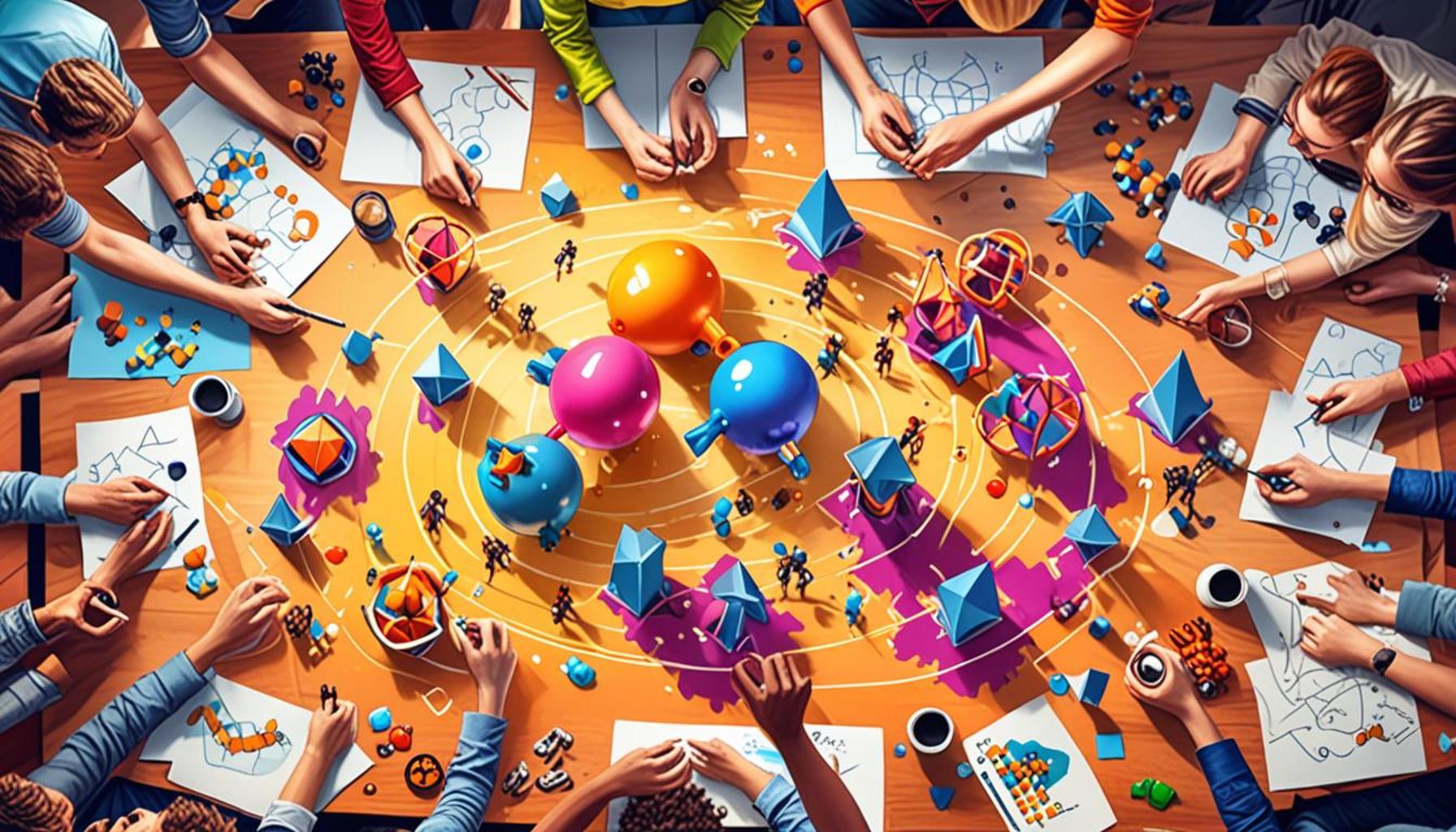
Understanding Team Strategy Games
In today’s fast-paced world, the need for effective teamwork is more significant than ever, especially in corporate settings and educational environments. Team strategy games have emerged as innovative instruments to cultivate collaboration and problem-solving skills among players. These engaging platforms not only provide entertainment but also serve as realistic simulations of real-life challenges that require strategic thinking and teamwork.
One of the key features of team strategy games is role assignment. This mechanic pushes players into various positions, such as strategist, communicator, or resource manager, encouraging them to view challenges from different angles. For example, in a game like *League of Legends*, players must select champions that either complement or enhance their team’s abilities, prompting players to strategize about who will tackle specific roles during gameplay. This diversity in roles fosters an atmosphere of inclusion and promotes the appreciation of various viewpoints, which is essential in effective collaboration.
Another critical element is problem-solving. Teams typically face pre-defined challenges that require innovative solutions born out of collective brainstorming. In games such as *Pandemic*, players are faced with a global crisis and must work together to devise and implement strategies to curb outbreaks. This process underlines the importance of pooling resources and knowledge, which is not only applicable in gaming scenarios but also translates seamlessly into workplace problem-solving. According to a report from the *Harvard Business Review*, teams that engaged in strategy-based games saw a notable increase in creative output and problem-solving capabilities, affirming the educational value of these experiences.
Communication is undoubtedly the backbone of team strategy games. The necessity for clear and effective dialogue among team members cannot be overstated. One study highlighted that teams participating in collaborative games enhanced their verbal communication skills significantly, leading to a better understanding of roles and responsibilities. For instance, a business that incorporated strategy games in its training report observed that employee engagement improved markedly as individuals learned to articulate their thoughts clearly and listen effectively to others’ insights.
Examining the interplay between strategic gameplay and teamwork offers numerous practical applications, not just in games but also in everyday life. As players navigate complex problems together, they forge new cognitive pathways, fostering a culture of collaboration that extends beyond the gaming table. Schools are starting to embrace these tools to improve students’ group dynamics, while companies use them for team-building exercises that break down silos and enhance productivity.
As interest in the psychological and social implications of gaming grows, it’s clear that these interactive experiences are more than mere entertainment; they are valuable learning tools. The exploration of how strategic gameplay influences collaboration serves as an invitation for educators, corporate leaders, and community organizers to harness the power of team strategy games in nurturing essential interpersonal skills.
DISCOVER MORE: Click here to enhance your decision-making skills
Unpacking the Mechanisms of Team Strategy Games
To fully appreciate the influence of team strategy games on collaborative thinking dynamics, it is essential to delve into the mechanisms that these games employ to foster teamwork and interpersonal communication. At their core, these games are designed to create dynamic environments where players must engage in critical thinking, decision-making, and cooperative play. The unique elements within these games set the stage for enhanced collaboration and strategic problem-solving.
One of the defining characteristics of team strategy games is the emphasis on strategic planning. Players must analyze the strengths and weaknesses of their team, as well as those of their opponents, to devise effective approaches to win. This requires not only mathematical calculations or tactical assessments but also a keen understanding of teammates’ skills and preferences. Games like *StarCraft II*, where players must allocate resources and command units in real-time, teach individuals the value of foresight and planning, mirroring situations in professional environments where strategic thinking is paramount.
Additionally, team strategy games often incorporate elements of risk management, where players are compelled to make decisions that balance reward and risk. This mechanism encourages individuals to weigh various options, foresee possible outcomes, and collaborate with their teammates to mirror the compelling nature of real-world project management scenarios. A study from *The American Psychological Association* indicates that individuals engaged in these types of games exhibit enhanced decision-making skills, finding innovative ways to mitigate risks while capitalizing on opportunities.
Another factor that significantly contributes to enhancing collaborative thinking is the role of feedback loops. Many strategy games provide immediate feedback based on players’ decisions, allowing teams to learn in real-time. This responsiveness to actions creates a rapid learning environment that emphasizes continuous improvement. Players are often required to reassess their strategies and adapt their approaches based on ongoing feedback during the game. Research from *Harvard University* underscores the importance of iterative feedback in team settings, noting that teams who engaged in regular reflections after collaborative gaming sessions reported a better understanding of their group dynamics and decision-making processes.
The incorporation of diverse viewpoints is also critically influential. Team strategy games necessitate players to offer input and critique strategies based on their assigned roles, promoting a culture of respect and open dialogue. This aspect can be observed in games like *World of Warcraft*, where players fulfill distinctive roles such as tank, healer, or damage dealer. Each role is designed to necessitate cooperation, leading to a deeper understanding of collaborative processes. By learning how to articulate their thoughts and consider others’ opinions, team members strengthen their ability to collaborate effectively.
In summary, the mechanics of team strategy games are not just integral components of fun and engagement; they are also profound catalysts for enhancing collaborative thinking dynamics. The tactical gameplay, risk assessment, real-time feedback, and respect for diversity enable players to build necessary skills that are transferable to various professional and educational contexts. As the understanding of these mechanisms deepens, organizations and educational systems can integrate team strategy games as tools designed to cultivate vital collaboration skills for the future.
In exploring the complexities of teamwork within the framework of strategy games, we find a fascinating interplay between individual action and collective decision-making. Team strategy games such as “League of Legends” or “Civilization” not only serve as entertainment but also act as a microcosm for real-world collaborative environments, offering valuable insights into how group dynamics evolve under pressure.One notable aspect of team strategy games is their ability to foster effective communication among players. Successful players must articulate their strategies clearly to ensure coherence in gameplay. This component encourages team members to share ideas, negotiate approaches, and listen actively—essential skills that translate well into professional workplaces where collaboration is paramount.Additionally, these games simulate high-stakes environments that compel players to make rapid decisions collaboratively. This fosters critical thinking and enhances the team’s ability to process information quickly. As players navigate challenges, they learn to evaluate the strengths and weaknesses of their strategies, promoting an adaptive mindset that is crucial in today’s fast-paced world.Moreover, team strategy games inherently necessitate role adaptation. Players often experiment with different roles—such as leader, strategist, or support—allowing them to better understand diverse perspectives and the importance of flexibility within a team. This experience cultivates an awareness of group dynamics and develops a sense of empathy among team members.As players navigate complex scenarios together, they also build trust and a sense of belonging, which are vital for fostering innovative thought. The ability to rely on each other enhances the collaborative spirit and encourages a culture of sharing knowledge and resources. To illustrate this conceptual framework, consider the application of these principles in corporate settings. Organizations that adopt game-like problem-solving methods in workshops often report an increase in team effectiveness and morale. Such implementations can lead to healthier workplace dynamics, further blurring the lines between leisure and productivity.To encapsulate this discussion, examining the benefits derived from engaging in team strategy games reveals that these activities are not merely pastimes but training grounds for developing essential collaboration skills that are increasingly vital in our interconnected world. As we further investigate the impact of these games, it’s clear that they hold the potential to enhance our understanding of collaborative thinking dynamics significantly, inviting teams to explore the depths of collective intelligence.
| Category | Description |
|---|---|
| Communication Skills | Enhances articulation of strategies, fostering teamwork. |
| Critical Thinking | Promotes rapid decision-making and adaptability under pressure. |
| Trust Building | Encourages reliance on teammates, enhancing group cohesion. |
| Role Adaptation | Fosters understanding of diverse perspectives and flexibility. |
By continuing to emphasize these dynamics, teams are likely to uncover new methods of collaboration that harness the strengths of each member, paving the way for greater success both in-game and in real-world applications.
DIVE DEEPER: Click here to enhance your decision-making skills
Building a Foundation for Leadership and Conflict Resolution
Beyond mere gameplay mechanics, the influence of team strategy games extends into essential life skills such as leadership and conflict resolution. In these environments, players are often placed in positions where they must take charge and guide their teams towards shared objectives. This dynamic challenges individuals to adapt their leadership styles based on the ever-changing landscape of the game, directly affecting their teams’ performance. Studies suggest that engaging in team strategy games allows players to develop crucial leadership qualities, such as the ability to inspire others, remain calm under pressure, and make decisive choices that affect the outcome of group tasks.
Acquire a deeper understanding of leadership through a game like *League of Legends*, where various strategies can only be realized under the guidance of a designated team leader. The point of a team leader is not merely to dictate order but to listen to teammates and make tactical decisions collectively. This platform offers players a glimpse into the importance of participatory leadership and illustrates the balance required between guiding a team and empowering its members. Research conducted by the *National Center for Leadership in Education* shows that students engaging in such games exhibit a notable increase in effective communication and core leadership skills, which can translate seamlessly into their academic and professional pursuits.
Moreover, team strategy games inherently cultivate conflict resolution skills. With multiple players vying for victory, conflicts are inevitable. Players must navigate disagreements regarding strategy, objectives, and resource allocations. Such contentious moments mirror the challenges frequently faced in corporate and social settings, underscoring the importance of collaboration and consensus-building. Emphasizing empathy and active listening, players learn to appreciate differing viewpoints, engage in constructive dialogues, and seek out mutually beneficial solutions. Research from The *Conflict Resolution Institute* highlights how students who participate in conflict-driven team games show improvement in their ability to manage disputes and negotiate favorable outcomes.
One cannot overlook the aspect of emotional intelligence that is built within these collaborative gaming environments. Players often experience a range of emotional highs and lows, especially when outcomes hinge on their collective performance. This emotional journey facilitates the development of resilience and adaptability—key components of emotional intelligence. Individuals learn to regulate their emotions, understand their teammates’ feelings, and respond in ways that foster a supportive atmosphere. According to findings from a study by *The University of Pennsylvania*, individuals who practice these emotional skills through team-based games tend to exhibit stronger interpersonal relationships and enhanced teamwork in real-life scenarios.
Notably, a large body of research supports the idea that team strategy games contribute to the development of critical thinking capabilities. The intellectual demand to assess ongoing circumstances, analyze data effectively, and anticipate opponents’ moves encourages players to approach problems creatively. For example, the game *Civilization VI* requires players to manage diverse cultural, economic, and military aspects to achieve victory. During gameplay, teams often engage in brainstorming sessions to strategize and brainstorm solutions to complex challenges. This collaborative problem-solving approach cultivates an innovative mindset, equipping players with useful skills for navigating multifaceted challenges in academic settings and beyond.
In summary, the influence of team strategy games on collaborative thinking dynamics is multifaceted, spanning leadership development, conflict resolution, emotional intelligence, and critical thinking. By immersing individuals in complex social settings, these games not only enhance cooperative skills but also prepare them for the demands of modern educational and workplace environments. The integration of team strategy games into training programs or educational curricula can therefore offer considerable benefits, paving the way for enhanced collaboration and effective problem-solving in diverse contexts.
DISCOVER MORE: Click here to dive into the benefits of puzzles
Conclusion
In conclusion, the exploration of team strategy games reveals a rich tapestry of benefits that extend far beyond the confines of entertainment. These games provide a unique platform for players to engage in collaborative thinking dynamics, honing a variety of skills essential for success in both personal and professional realms. As players navigate the complexities of team-based challenges, they not only sharpen their leadership and conflict resolution abilities but also deepen their emotional intelligence and critical thinking skills.
The collaborative nature of these games encourages players to work cohesively, communicate effectively, and solve problems creatively—skills that are paramount in today’s diverse workplace environments. Furthermore, as research indicates, the active engagement in these strategic activities fosters a culture of empathy and understanding, key ingredients for building and maintaining healthy interpersonal relationships. With such profound implications, educational institutions and organizations should consider integrating team strategy games into their curricula and training programs.
This integration could serve as a catalyst for nurturing the next generation of leaders, innovators, and effective collaborators. As we recognize the power of play in shaping our critical competencies, the potential for team strategy games to impact collaborative thinking dynamics grows increasingly significant. As you ponder your own participation in these digital arenas, consider the profound skills and perspectives being fortified, not just for the game, but for life itself.
Related posts:
The Role of Logic Games in Enhancing Strategic Problem-Solving Skills
How Logic Challenges Stimulate Creativity in Strategic Solutions
The importance of strategic thinking in board games: how to develop planning skills
Boost Decision-Making Skills with Mind Games Strategic Challenges
The Intersection Between Simulation and Strategy Games in Business Leader Development
The Connection Between Visual Puzzles and Strategic Analysis in Complex Situations

Linda Carter is a writer and puzzle expert specializing in mind games, brain teasers, and cognitive challenges. With extensive experience helping individuals enhance their problem-solving skills and think critically, Linda shares her knowledge on our platform. Her goal is to empower readers with practical advice, engaging puzzles, and strategies to sharpen their minds and achieve success in the captivating world of mind games and puzzles.