The Neuroscience Behind Memory Games: How They Enhance Brain Capacity

Exploring the Cognitive Benefits of Memory Games
The remarkable capabilities of the human brain have intrigued scientists and philosophers alike for centuries. As researchers delve deeper into the complexities of this crucial organ, the impact of engaging activities, particularly memory games, becomes increasingly noteworthy. These games have been shown to not only enhance enjoyment but also bolster brain capacity—a striking revelation that underscores the importance of mental exercises in our daily lives.
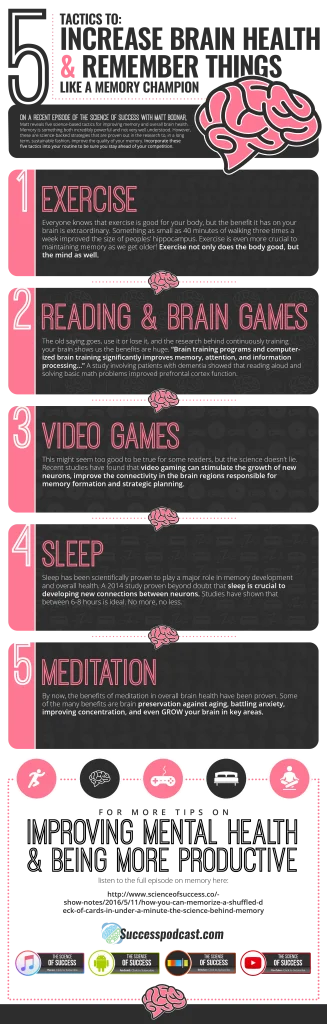
Memory games, ranging from classic card-matching games to modern apps designed for cognitive enhancement, stimulate various regions of the brain, promoting neuron connectivity and overall brain health. Here are some significant benefits associated with these engaging activities:
- Enhanced memory retention: Memory games challenge players to recall and recognize patterns or sequences, effectively strengthening neural pathways that are essential for retrieving information. This exercise can lead to improved memory retention and recall in everyday situations, including academic performance and workplace efficiency.
- Improved concentration: These games require players to focus on multiple details simultaneously, honing their attention skills. Enhanced concentration can translate to better performance in academic settings, where students must juggle various tasks and assignments.
- Increased problem-solving skills: Engaging with memory games is more than just a fun pastime; these games present challenges that require critical thinking and strategy. This not only enhances cognitive flexibility but also aids in everyday decision-making, making players more adept at tackling real-world issues.
The connection between memory games and brain function becomes even more fascinating when considered in light of neuroplasticity. This term defines the brain’s amazing ability to reorganize itself by forming new neural connections throughout life. Research suggests that regularly engaging in memory games can facilitate this process, essentially “working out” the brain. The more mental challenges one encounters, the more resilient and adaptable the brain becomes.
As researchers continue to unravel the intricate relationship between gameplay and cognitive enhancement, the emerging evidence suggests that unlocking our mental potential might be as enjoyable as it is effective. For many, incorporating memory games into their daily routine could represent a promising strategy for fostering brain health while enjoying time with friends and family.
In conclusion, the evidence points to memory games as a fun and effective means of enhancing brain capacity. Whether for educational purposes or recreational enjoyment, these games offer an intriguing pathway to unlocking new cognitive abilities. As our understanding of this subject deepens, individuals are encouraged to explore various types of memory games and witness their positive effects firsthand.
DIVE DEEPER: Click here to discover the significance of strategic thinking
Understanding the Mechanisms of Memory Enhancement
To fully grasp how memory games enhance brain capacity, it is crucial to delve into the intricate world of neuroscience. The brain operates through a complex network of neurons, which communicate via synapses to form a web of pathways essential for learning and memory. When we engage in memory games, these pathways become stimulated and strengthened, leading to notable improvements in cognitive function.
At the heart of this phenomenon is a process known as synaptic plasticity. This refers to the ability of synapses—the connections between neurons—to strengthen or weaken over time based on activity levels. When we play memory games, our brains are actively at work, encoding and recalling information, which leads to a surge in synaptic strength. This results in enhanced memory performance and greater mental agility.
Moreover, memory games trigger the release of neurotransmitters such as dopamine and acetylcholine, which play a pivotal role in attention and memory. Dopamine, often linked to reward and pleasure, enhances motivation and engagement during gameplay, encouraging players to push their cognitive limits. Acetylcholine, on the other hand, is essential for attention and learning, thereby facilitating more profound memory encoding processes.
Additionally, research indicates that playing memory games activates specific regions of the brain associated with memory, including the hippocampus and the prefrontal cortex. The hippocampus is vital for forming new memories, while the prefrontal cortex governs decision-making, problem-solving, and complex thought processes. Engaging in memory games leads to increased blood flow and neural activity in these regions, resulting in improved overall cognitive function.
- Increased neurogenesis: Studies suggest that engaging in memory games can promote neurogenesis—the growth of new neurons, particularly in the hippocampus. This process is fundamental to learning and memory, highlighting the role of memory games in fostering youthfulness in brain function.
- Stress reduction: Regularly engaging in enjoyable activities like memory games can lower stress levels, which in turn supports cognitive health. Chronic stress negatively impacts learning and memory by reducing neurogenesis; thus, memory games inadvertently contribute to a healthier mental state.
- Social interaction: Many memory games encourage social interaction, which has its benefits for cognitive health. Engaging with others stimulates cognitive functions and can lead to shared knowledge and experiences that further enhance memory retention.
These mechanisms collectively underscore the compelling evidence of how memory games serve not just as entertainment, but also as powerful tools for cognitive enhancement. By stimulating brain activity and promoting the growth of new neurons, they create a unique opportunity to cultivate mental resilience and improve overall brain health. As individuals seek ways to maintain and enhance cerebral capacity, memory games emerge as a scientifically supported option worth considering.
The Science of Memory and Learning
Memory games are not only entertaining; they tap into the brain’s intricate processes of learning and retention. Understanding the neuroscience behind these games reveals how they contribute significantly to enhancing brain capacity. Neuroscientists have discovered that engaging in cognitively demanding tasks such as memory games can lead to structural changes in the brain. This phenomenon is known as neuroplasticity, where the brain forms new neural connections in response to learning and experience.Furthermore, memory games activate various brain regions, including the prefrontal cortex, which is responsible for planning and decision-making, and the hippocampus, essential for the formation of new memories. Research has shown that consistent participation in memory games can strengthen these areas, leading to improved cognitive functions. By prioritizing mental exercises, individuals can enhance their processing speeds, problem-solving abilities, and overall memory recall.Another aspect worth noting is the role of dopamine in motivation and reward. Playing memory games releases dopamine, a neurotransmitter that not only makes the activity enjoyable but also reinforces learning, making players more likely to engage in similar tasks in the future. The combination of cognitive engagement and emotional experience creates a powerful framework for enhancing brain capacity, making memory games an invaluable tool in maintaining mental agility and preventing cognitive decline with age.As we delve deeper into the benefits of memory games, the next sections will explore specific games and their unique impacts on cognitive abilities, providing insights on how to effectively incorporate these games into daily routines for optimal brain health.
| Category | Advantages |
|---|---|
| Neuroplasticity | Enhances the brain’s ability to form new connections and adapt. |
| Improved Cognitive Functions | Boosts memory recall, problem-solving skills, and processing speed. |
By understanding these dynamics, individuals can make informed choices on how to best leverage memory games to enhance their cognitive health.
DISCOVER MORE: Click here to enhance your game strategy
Memory Games and the Aging Brain
As we age, the cognitive declines in memory can sometimes become more pronounced, raising concerns about long-term brain health. However, engaging in memory games has been shown to play a crucial role in mitigating such declines, particularly for older adults. Research indicates that consistent participation in memory-enhancing activities can help sustain cognitive function and even delay the onset of neurodegenerative diseases, such as Alzheimer’s and dementia.
One striking study published in the Journal of the American Geriatrics Society found that older adults who participated in regular memory training could improve their memory skills significantly compared to those who did not engage in such activities. The results demonstrated that even a modest commitment to memory games could yield substantial benefits, suggesting that it’s never too late to begin.
Another fascinating area where memory games make a difference is in enhancing executive functions. Executive functions encompass a range of cognitive processes, such as working memory, cognitive flexibility, and inhibitory control. These functions are crucial for tasks that require multi-tasking and decision-making—skills that tend to decline with age. Memory games that challenge players to remember sequences, patterns, or spatial relationships effectively stimulate these executive functions, reinforcing the brain’s ability to manage complex tasks.
- Memory retention: Regularly playing memory games has been linked to improved recall abilities. The act of remembering not just sharpens neural pathways but also helps in the long-term retention of information, providing an edge in both social interactions and personal activities.
- Brain volume maintenance: MRI studies have shown that seniors who engage regularly in mental exercises, including memory games, can maintain larger brain volumes, particularly in areas like the hippocampus. This maintenance can be critical for sustaining and enhancing memory capacity over time.
- Reduction in cognitive decline: Engaging in memory games can slow cognitive decline by promoting a “use it or lose it” mindset. Each game completed is not just a victory in the moment but a long-term investment in brain health.
Technological Advances in Memory Gaming
The era of technology has ushered in a new generation of memory games that leverage advanced neuroscience findings. Online platforms and mobile applications now incorporate adaptive learning algorithms to tailor challenges specifically to an individual’s skill level, ensuring that players remain engaged and continually stimulated.
These technological innovations offer an impressive array of game formats, from traditional card and board games to interactive apps that can be played alone or in social settings. For example, renowned memory training apps such as Lumosity and Peak utilize neuroscience principles to promote brain stamina, agility, and overall cognitive function through personalized challenges. Users can track their progress over time, observing how regular practice affects their cognitive metrics, which can be a significant motivating factor.
Additionally, many modern memory games incorporate real-time feedback and reward systems designed to encourage continuous engagement. By fostering a sense of achievement, these games tap into the brain’s reward pathways, driving players to return for more, which only enhances overall cognitive growth.
As we delve into understanding the deep-rooted connections between gaming, neuroscience, and memory enhancement, it becomes increasingly clear that memory games represent both a fun pastime and a critical contributor to cognitive health across all age groups.
DISCOVER MORE: Click here to enhance your cognitive skills
Conclusion
In summary, the exploration of memory games reveals not only their playful nature but also their profound impact on cognitive health across all age groups. As discussed, these games serve as effective tools for enhancing various aspects of brain capacity, particularly in critical areas such as memory retention, executive functions, and maintaining brain volume. Especially for older adults, the engagement in memory-enhancing activities is not merely a pastime; it acts as a fortifying measure against cognitive decline and neurodegenerative diseases.
The advent of technology has further revolutionized the landscape of memory gaming. With the help of personalized and adaptive platforms, individuals can now challenge their cognitive skills with tailored experiences that promote enduring brain health effectively. These innovations make memory games more accessible and engaging, ensuring continual participation and motivation—a key ingredient for sustained improvement.
As we advance in the field of neuroscience, understanding the intricate relationship between memory, brain health, and gaming will only deepen. By integrating fun with functionality, memory games have the potential not only to enrich our cognitive capacities but also to encourage lifelong learning and mental agility. Thus, whether you are a senior seeking to combat memory loss or a young adult aiming to sharpen cognitive skills, incorporating memory games into your routine opens a door to enhanced brain capacity and overall well-being. Embrace the power of play for a healthier mind and, ultimately, a more fulfilling life.
Related posts:
The Importance of Memory Games in Healthy Aging: Preventing Cognitive Decline
The Role of Brain Training Apps in Improving Memory: Myth or Reality?
Memory and Technology: The Role of Digital Games in Improving Cognitive Functions
Learning Strategies: How Memory Games Can Enhance Retention in Students
Memory Techniques and Games: How to Combine Traditional Approaches with Playful Challenges
Mathematical Puzzles as a Tool for Memory Improvement: Challenging the Brain with Numbers

Linda Carter is a writer and puzzle expert specializing in mind games, brain teasers, and cognitive challenges. With extensive experience helping individuals enhance their problem-solving skills and think critically, Linda shares her knowledge on our platform. Her goal is to empower readers with practical advice, engaging puzzles, and strategies to sharpen their minds and achieve success in the captivating world of mind games and puzzles.