The relationship between strategic board games and mental agility in children
Exploring the Connection
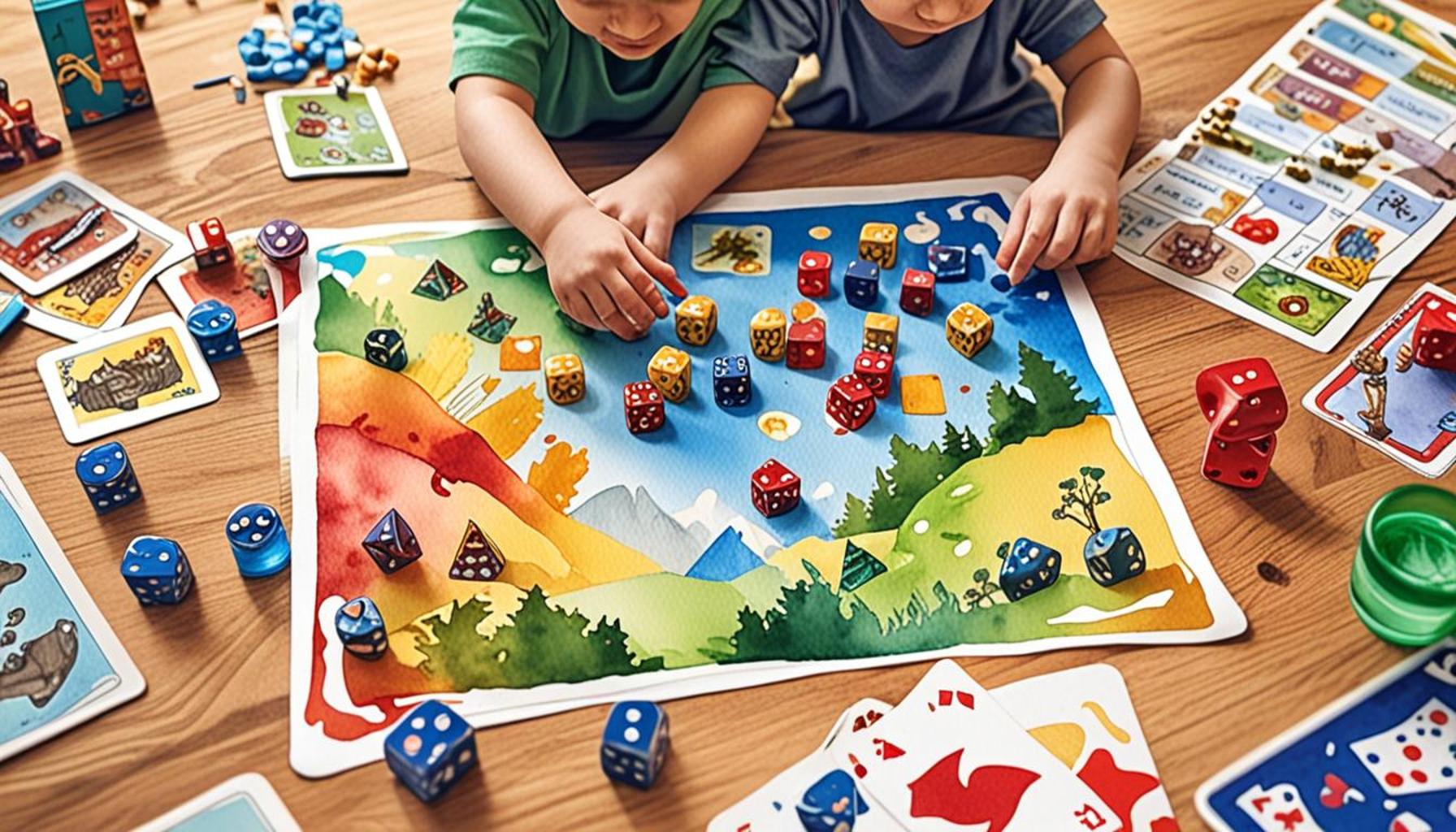
Strategic board games have long been a source of entertainment for families across the United States. From cozy family game nights to intense competitive tournaments, these games offer much more than just amusement; they are vital tools for developing mental agility in children. Engaging in these activities not only fosters enjoyment but also imbues young minds with essential skills that can shape their cognitive development.
- Critical Thinking: Players must analyze different scenarios, weighing options and potential outcomes. For instance, in chess, anticipating an opponent’s move requires foresight and strategic planning. Such critical thought processes help children learn to evaluate situations analytically both in games and in real life.
- Problem Solving: Games such as Settlers of Catan require players to overcome challenges by making strategic decisions that enhance their logical reasoning skills. These challenges encourage children to think creatively and find innovative solutions, which is a fundamental aspect of effective problem solving.
- Social Skills: Engaging with peers during board games fosters communication and teamwork. Cooperative games like Pandemic have players working together to combat outbreaks, teaching children the importance of collaboration and discussion, reinforcing social interaction and shared objectives.
The impact of playing strategic board games extends far beyond the gaming table. Research indicates that children who regularly engage in these activities exhibit enhanced memory retention and improved concentration. As concentration becomes increasingly vital in today’s fast-paced educational environment, these games can be instrumental in preparing children for academic success.
- Examples of Popular Games: Classics like chess, along with modern favorites such as Settlers of Catan and Ticket to Ride, appeal to diverse age groups and skill levels, making them accessible for family gaming sessions.
- Benefits Observed: Besides heightened focus, studies show that children who play these games often develop better planning skills and increased creativity, enabling them to think outside the box during both scholarly pursuits and everyday situations.
Ultimately, the relationship between strategic board games and mental agility presents an intriguing avenue for parents and educators alike. By incorporating these games into a child’s routine, we can foster an environment ripe for cognitive growth and resilience. As the gaming industry continues to evolve, adapting to new technologies and interests, the timeless value of strategic board games remains unchallenged, inviting exploration and discovery for generations to come. It encourages families to reconnect and develop invaluable skills that contribute to a brighter educational future.
DIVE DEEPER: Click here to discover how puzzles enhance cognitive skills
Cognitive Development Through Play
The evolution of strategic board games, which have captivated audiences for centuries, opens the door to significant cognitive benefits for children. As parents and educators seek effective tools to enhance mental agility, familiarizing children with these games can lay the foundation for lifelong learning. Cognitive development in children is a multifaceted endeavor, and strategic board games serve as an engaging vehicle for improving various critical thinking skills.
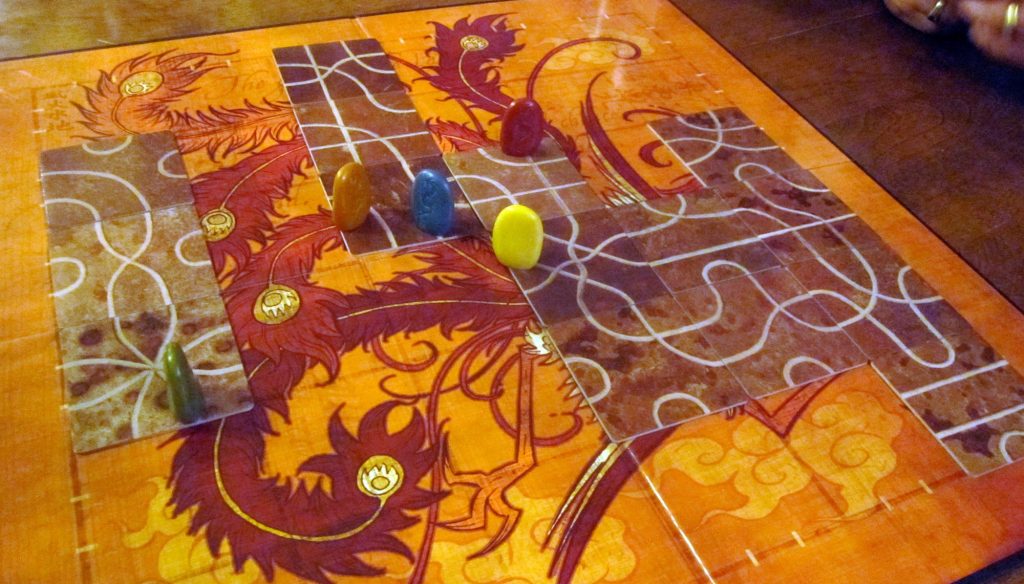
One of the key aspects of mental agility nurtured through board games is the ability to adapt. In games like chess, having a fixed strategy falls short; players must adjust their tactics in real time as the game progresses. This adaptability encourages children to consider multiple perspectives, a skill that transcends the gaming table and proves beneficial in academic and social contexts. Understanding that flexibility is essential helps prepare them for real-world challenges, fostering resilience and critical thinking.
Enhancing Memory and Focus
Moreover, strategic board games significantly enhance children’s memory retention and focus levels. For instance, in games such as Betrayal at House on the Hill, players must remember intricate details about the game’s evolving narrative and their opponents’ strategies. This continuous engagement sharpens both short-term and long-term memory skills, vital elements in academic achievement. The process of acquiring and recalling information creates neural pathways that strengthen memory recognition, providing a foundation for better learning outcomes.
- Memory Improvement: Games that require tracking resources or maintaining knowledge about opponents’ moves help enhance children’s ability to memorize and recall key information effectively.
- Focus Development: With turns and strategies requiring concentration, focusing on the game allows children to further develop their ability to concentrate on tasks, translating into improved performance in classrooms.
- Strategic Planning: Engaging in games necessitates planning moves ahead of time. This prompts children to think about both immediate and long-term consequences, reinforcing the necessity of foresight in decision-making.
Another significant benefit of strategic board games lies in their ability to foster creativity. Unlike traditional academic exercises that often encourage rote memorization, these games require players to think outside the box. When faced with barriers or competition, children learn to devise unique strategies and innovative solutions, further honing their creative problem-solving skills. For example, in games like Risk, each player must navigate around challenges and opponents while developing new tactics, enriching their creative thinking abilities.
As communities and educational institutions recognize the multifold advantages of strategic board games, they can incorporate these tools into structured learning environments. Workshops, extracurricular activities, and even after-school clubs focused on board games can unlock new opportunities for children to engage in cognitive development and acquire skills essential for academic success. The integration of these games into educational settings not only benefits their intellectual growth but also promotes healthy interactions among peers, a critical component of social development.
| Advantages | Details |
|---|---|
| Critical Thinking Development | Engaging in strategic board games forces children to analyze situations, evaluate risks, and make informed decisions. |
| Enhanced Problem-Solving Skills | Children learn to devise strategies and adapt them based on their opponents’ actions, honing flexible thinking. |
| Improved Social Interaction | Playing these games promotes teamwork and communication among peers, building social skills necessary for group dynamics. |
The interaction between children and strategic board games promotes an environment ripe for cognitive enhancement. Through these games, children sharpen not only their ability to strategize but also strengthen their mental agility. According to studies, strategic board games have been linked to improving executive functions in children, which include skills vital for academic and personal success. Moreover, through repeated play, children learn to manage emotions and reactions, leading to a more balanced decision-making process. Furthermore, the social aspect of playing board games enables children to negotiate rules, resolve conflicts, and engage in healthy competition—all of which are integral to developing a sense of mastery and confidence. Such experiences contribute to their overall cognitive growth and resilience. More findings reveal that older children who consistently engage with these games tend to score higher on assessments measuring problem-solving abilities and creativity. Thus, the benefits of strategic board games extend far beyond mere entertainment, suggesting a profound influence on childhood development that merits further exploration.
DISCOVER MORE: Click here to enhance your memory with puzzles
Problem-Solving and Logical Reasoning Skills
Diving deeper into the cognitive advantages of strategic board games, it becomes evident that they are powerful tools for enhancing children’s problem-solving and logical reasoning skills. Many games demand that players analyze situations, identify potential challenges, and craft effective solutions. In games such as Settlers of Catan, children must navigate resource management and strategic trade, requiring them to think critically and plan their moves carefully. This continuous exercise in problem-solving prepares them for complex tasks beyond the gaming world, fostering skills useful in both academics and everyday life.
Additionally, games that emphasize logic, such as Logic Grid Puzzles or Mastermind, provide children with opportunities to work through increasingly challenging problems. As they engage with these games, they learn to approach problems methodically, assessing outcomes based on given parameters. This structured way of thinking benefits children in science, technology, engineering, and mathematics (STEM) education, where logical reasoning is paramount.
Building Social Skills and Emotional Intelligence
Another often-overlooked benefit of strategic board games is their role in cultivating social skills and emotional intelligence. Board games typically involve multiple players, encouraging interaction and communication. Through these interactions, children learn the importance of teamwork, negotiation, and conflict resolution. For instance, in games like Diplomacy, players must form alliances and navigate potential betrayals, preparing them for similar dynamics they may encounter in real-life situations.
- Effective Communication: As children articulate their strategies and interpret opponents’ moves, they develop verbal and nonverbal communication skills that aid social interactions.
- Empathy Development: Understanding and predicting opponents’ actions foster empathy, as players must consider others’ feelings and motives, enhancing social awareness.
- Managing Competition: Participating in competitive games teaches children how to handle wins and losses gracefully, instilling resilience and emotional regulation.
The rising popularity of board games has led schools across the United States to integrate them into curricula intentionally. Recognizing the correlation between strategic gameplay and the development of essential life skills, educators are harnessing these games to enrich learning experiences. Programs designed to teach strategic thinking alongside traditional subjects have proven effective in keeping students engaged while doing so in a collaborative, enjoyable environment.
Research supports this growing interest; studies show that children who regularly engage in games that stimulate cognitive functioning tend to exhibit higher academic achievements and better social competencies. For instance, a collaborative study by the University of California found that students who participated in board game-focused activities improved their mathematical problem-solving skills by up to 25%. Such findings are propelling educators and parents alike to embrace board games as a vital educational tool that supports mental agility development.
Furthermore, with the rise of digital adaptations of board games, children can now engage with strategic options in both traditional and digital formats. Online platforms provide accessibility and the ability to connect with peers beyond geographical limitations. This evolution ensures that the cognitive and social benefits of games remain influential in various settings, as children learn and grow in increasingly interconnected ways.
DISCOVER MORE: Click here to learn about the benefits of brain games for memory
Conclusion: Strategic Board Games as Catalysts for Mental Agility
In summary, the exploration of strategic board games reveals a profound and multifaceted relationship between play and the development of mental agility in children. These games not only foster critical problem-solving and logical reasoning skills but also instill vital social skills and enhance emotional intelligence. Through interactions and gameplay, children learn to navigate complex social dynamics, communicate effectively, and manage both competition and cooperation—skills that are essential in the modern world.
Furthermore, the integration of board games into educational settings echoes the findings of various studies indicating that children who participate in such activities experience significant academic improvements. The ability to engage in strategic thought equips them with tools that transcend the board and apply to real-life scenarios, from academics to daily problem-solving.
As we embrace the digital age, the evolution of board games into online formats offers even greater opportunities for children to sharpen their minds in interactive environments, fostering connections with peers irrespective of location. This digital transformation ensures that the lessons learned through strategic gameplay continue to play a critical role in shaping the mentally agile leaders of tomorrow.
As we move forward, it is crucial for parents, educators, and policymakers to recognize the potential of strategic board games as valuable educational resources. By promoting their use in homes and schools, we can cultivate a generation of individuals who are not only adept at thinking critically but are also empathetic and socially conscious, ensuring a brighter future for all.
Related posts:
Boost Adult Cognitive Skills Logic Games Impact and Benefits
The influence of word games on vocabulary expansion and mental agility in adolescents
How Digital Puzzles are Shaping Cognition in a Virtual World
The connection between Sudoku practice and the increase in concentration capacity in adolescents
The role of cooperative board games in the development of social and cognitive skills in children
The relationship between mathematical puzzles and the development of critical thinking in youth

Linda Carter is a writer and puzzle expert specializing in mind games, brain teasers, and cognitive challenges. With extensive experience helping individuals enhance their problem-solving skills and think critically, Linda shares her knowledge on our platform. Her goal is to empower readers with practical advice, engaging puzzles, and strategies to sharpen their minds and achieve success in the captivating world of mind games and puzzles.