The role of cooperative board games in the development of social and cognitive skills in children
The Power of Play in Child Development
In an age where technology often dominates leisure time, it is essential to find opportunities that engage children in constructive ways. Cooperative board games stand out as an effective means to enhance social and cognitive skills, providing a delightful blend of fun while nurturing valuable life skills. These games differ significantly from traditional competitive games as they emphasize teamwork rather than rivalry, encouraging players to unite for a common goal.
One of the primary benefits of cooperative games is their ability to enhance communication skills. When playing, children must articulate their thoughts and strategies clearly while also practicing active listening to understand their teammates’ perspectives. For instance, games like “Forbidden Island” or “Pandemic” require players to share their ideas to overcome obstacles, promoting an interactive dialogue essential for effective communication.
Moreover, these games cultivate teamwork. Success is dependent on collaboration, creating a nurturing environment where children learn to support one another. In “Catan: Junior,” players must work together to build their community, which helps solidify a sense of belonging and teaches valuable lessons about trust and reliance on others. This teamwork aspect is particularly crucial in settings such as classrooms and after-school programs where collective efforts can lead to successful outcomes.
Additionally, cooperative board games encourage problem-solving skills. Children face various challenges that demand strategic thinking and creativity to navigate. In “Ghost Fightin’ Treasure Hunters,” players must devise a plan to collect treasures while evading ghosts, fostering critical thinking and adaptive strategies. Such scenarios not only make problem-solving engaging but also help children develop resilience as they find solutions together.
Research supports the notion that children who regularly participate in cooperative gaming demonstrate enhanced interpersonal skills and higher emotional intelligence. Engaging in this type of play can also increase empathy, as children learn to consider the feelings and perspectives of their teammates, preparing them for future social interactions.
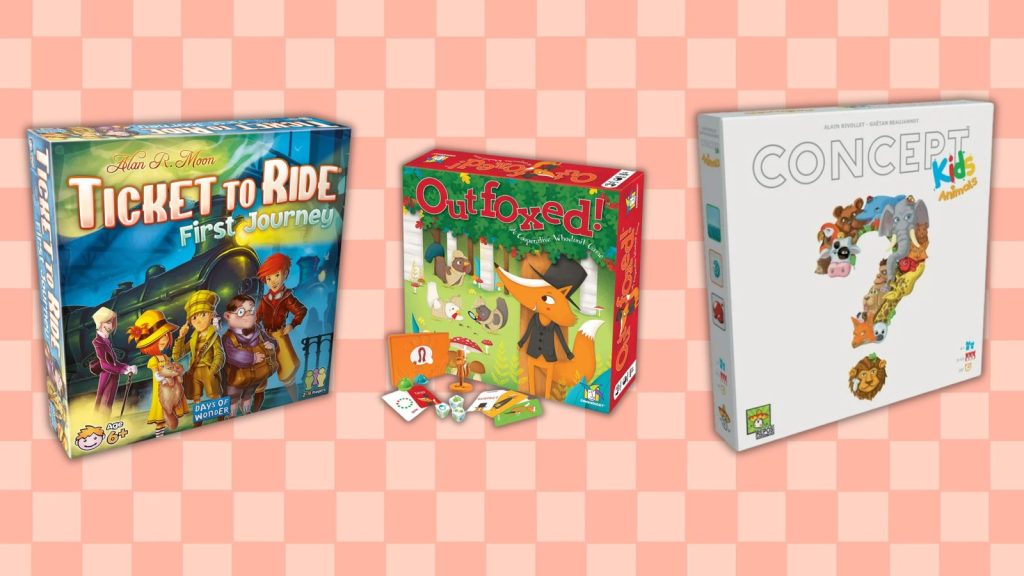
Furthermore, these games are adaptable to various age groups, making them accessible for different developmental stages, from kindergarteners to pre-teens. For instance, “Hoot Owl Hoot!” is perfect for younger players, while “Flash Point: Fire Rescue” can captivate older children, ensuring that everyone enjoys the experience regardless of their age. This adaptability allows families to bond during game nights or educators to introduce them as part of the curriculum, enriching the learning process.
By actively participating in cooperative board games, children embark on a journey toward personal growth, filled with opportunities for learning and connection. Delving into the scientific theories and studies surrounding these games reveals a wealth of understanding about their profound impact on child development. As parents and educators explore these tools, they can better facilitate enriching experiences that promote a well-rounded upbringing for the next generation.
DISCOVER MORE: Click here to enhance your problem-solving skills
Enhancing Communication Through Cooperative Play
Cooperative board games serve as a rich platform for children to enhance their communication skills. Unlike traditional games that pit players against each other, cooperative games require participants to engage in open dialogue, making it essential for players to express their thoughts clearly and listen attentively to others. Games such as “Forbidden Island” challenge children not just to speak, but to negotiate and collaborate in order to reach a common objective, fostering an environment of mutual respect and dialogue.
This interactive communication not only helps children articulate their ideas but also cultivates their ability to convey emotions and understand the feelings of their teammates. Research indicates that children who engage in cooperative board games often develop higher emotional intelligence, equipping them with the skills to navigate complex social interactions more effectively.
Building Blocks of Teamwork
In the realm of cooperative gaming, teamwork is a fundamental principle that mirrors experiences in real life. Players of “Catan: Junior”, for example, must collaborate to build a community, reinforcing the values of collective effort and shared success. This shared responsibility teaches children the importance of trusting their peers, creating a sense of belonging that is crucial for their overall social development.
- Trust and Reliability: Children learn to rely on their teammates, which could lead to stronger friendships both in and out of the gaming context.
- Conflict Resolution: Working together inevitably leads to disagreements, giving players a safe space to practice conflict resolution skills.
- Shared Leadership: Different players can take charge in various situations, teaching children the dynamics of leadership and collaboration.
Fostering Problem-Solving Skills
Another significant advantage of cooperative board games is their role in developing problem-solving skills. Many of these games present players with intricate challenges that require them to think strategically and creatively. Take “Ghost Fightin’ Treasure Hunters” as a prime example; players must devise plans to collect treasures while avoiding obstacles, promoting critical thinking in a fun, interactive setting. This type of gameplay not only encourages children to brainstorm solutions but also helps them learn the importance of adaptability—a crucial skill in today’s fast-paced environment.
Additionally, the collaborative nature of these games means that children will often brainstorm solutions together, which enhances their ability to think outside the box and approach problems from different angles. This practice not only solidifies their cognitive development but also instills resilience as they learn to tackle challenges collectively.
As research continues to explore the impacts of cooperative games in educational settings, the findings indicate that children who engage with these games on a regular basis often showcase improved interpersonal skills and a deeper understanding of emotional nuances. Parents and educators can harness this powerful medium to enrich the experience of child development, all while promoting a healthy balance of fun and learning.
The Benefits of Cooperative Board Games
Cooperative board games are more than just a source of entertainment; they serve as crucial tools in the development of social and cognitive skills in children. Engaging in these games encourages kids to work together towards a common goal, fostering a sense of teamwork and collaboration. Unlike competitive games, cooperative board games require players to strategize jointly, leading to enhanced problem-solving abilities.
Research indicates that cooperative play, facilitated through these games, significantly improves children’s communication skills. As children discuss tactics and share ideas, they learn to articulate their thoughts clearly while also developing active listening skills. Moreover, the emotional intelligence gained through shared wins and losses teaches resilience and empathy, enriching their interpersonal relationships.
| Category | Details |
|---|---|
| Social Skills | Promotes teamwork and effective communication. |
| Cognitive Development | Enhances critical thinking and problem-solving abilities. |
Additionally, cooperative games are beneficial in teaching children to manage conflicts constructively. When disagreements arise during the game, they are encouraged to navigate these challenges through open dialogue rather than confrontation. By practicing these skills in a fun setting, children transfer these lessons to real-life situations, making them more adept at handling social interactions.
In essence, cooperative board games provide a platform for children to develop essential life skills while having fun. Their importance in childhood development cannot be overstated—the measurable improvements in both social and cognitive realms prepare children for success beyond the gaming table.
DIVE DEEPER: Click here to uncover the power of strategic thinking
Encouraging Strategic Thinking and Planning
Cooperative board games not only foster social interactions but also play a significant role in enhancing strategic thinking and planning skills. In games like “Pandemic,” players must collectively devise strategies to combat a global outbreak, requiring them to assess risks and align their actions with the shared objective. This focus on strategy encourages children to think critically about their decisions and the consequences that may arise, developing foresight and situational awareness over time.
Through the process of collaborative planning, children learn to set achievable goals and break down larger tasks into manageable steps. This is fundamental not just for gaming but for real-life scenarios as well. Children who engage in these activities tend to showcase improved decision-making skills, as they become accustomed to weighing options and predicting outcomes. Such experiences can translate into greater success in academic settings, where strategic approaches to projects and studies are often required.
Boosting Creativity and Imagination
Cooperative board games also have the power to enhance creativity and imagination. When players are tasked with solving a problem together, they are often encouraged to think creatively, devising unique solutions to overcome challenges. Games such as “Dixit” rely on players interpreting card images and storytelling, allowing for expressive thinking that stimulates the imagination. This fosters an environment where children feel comfortable sharing innovative ideas without the fear of criticism, promoting a sense of ownership over their creative processes.
- Encouraging Diverse Perspectives: Each child may approach a game differently, leading to a variety of ideas and solutions that broaden everyone’s thinking.
- Imagination in Action: Role-playing elements in certain games allow children to explore different characters and scenarios, expanding their cognitive flexibility.
- Experimentation without Fear: The pressure to win is alleviated in cooperative settings, allowing children to innovate and take risks in their ideas.
Instilling a Sense of Empathy
A significant yet often overlooked outcome of cooperative board gaming is the development of empathy among young players. As children collaborate towards a shared goal, they learn to recognize and appreciate the emotions, thoughts, and contributions of their teammates. In games such as “Hoot Owl Hoot,” where players must work together to help owls reach their nests before sunrise, kids start to understand the value of teamwork and the importance of others’ roles in achieving success.
The very nature of these interactions fosters empathy, as children are compelled to consider not only their interests but also those of their peers. This early exposure to collaborative contexts equips them with the ability to make more compassionate decisions and helps to cultivate an inclusive mindset as they grow. As children continue to play these games, they develop the skills necessary to build harmonious relationships in various social environments.
Research shows that children engaged in cooperative board games experience significant cognitive advancements alongside social development. By emphasizing communication, problem-solving, and strategic thinking, these games take learning outside the conventional classroom setting, offering an engaging avenue for growth. As parents and educators harness the power of cooperative games, they can support children’s journey toward becoming thoughtful, empathetic, and socially adept individuals.
DISCOVER MORE: Click here to learn about the benefits of brain games
Conclusion
In summary, cooperative board games serve as powerful tools for enriching both the social and cognitive development of children. These games encourage teamwork, mutual respect, and a sense of community, which are fundamental interpersonal skills that transcend the game board and seep into everyday interactions. Through nurturing strategic thinking, enhancing creativity, and instilling a sense of empathy, cooperative board games pave the way for a holistic developmental experience.
The benefits are not limited to the immediate environment of play; they extend into various aspects of children’s lives. Children who engage in these games often demonstrate improved conflict resolution skills, better emotional intelligence, and more effective communication, all of which contribute to a more fruitful academic and social experience. Moreover, in an age where digital interactions are becoming prevalent, these tactile experiences encourage face-to-face communication and collaboration, essential traits that foster enduring relationships.
As our understanding of child development grows, the importance of incorporating cooperative board games into recreational and educational settings cannot be overstated. Parents and educators should actively seek to integrate these games into their routines, recognizing them as significant contributors to children’s social and cognitive skill acquisition. By doing so, they not only entertain but also equip children with essential life skills that will serve them well throughout their personal and professional journeys.
Ultimately, cooperative board games are more than just a pastime; they are a vehicle for learning, enabling young minds to navigate the complexities of collaboration and critical thinking in an engaging and enjoyable way.
Related posts:
Boost Adult Cognitive Skills Logic Games Impact and Benefits
How Digital Puzzles are Shaping Cognition in a Virtual World
The connection between Sudoku practice and the increase in concentration capacity in adolescents
The influence of reasoning games on the improvement of cognitive skills in adults
The relationship between mathematical puzzles and the development of critical thinking in youth
How Reasoning Challenges Can Improve Cognitive Resilience in Students

Linda Carter is a writer and puzzle expert specializing in mind games, brain teasers, and cognitive challenges. With extensive experience helping individuals enhance their problem-solving skills and think critically, Linda shares her knowledge on our platform. Her goal is to empower readers with practical advice, engaging puzzles, and strategies to sharpen their minds and achieve success in the captivating world of mind games and puzzles.