The Role of Memory Games in Early Childhood Education: Stimulating Early Learning
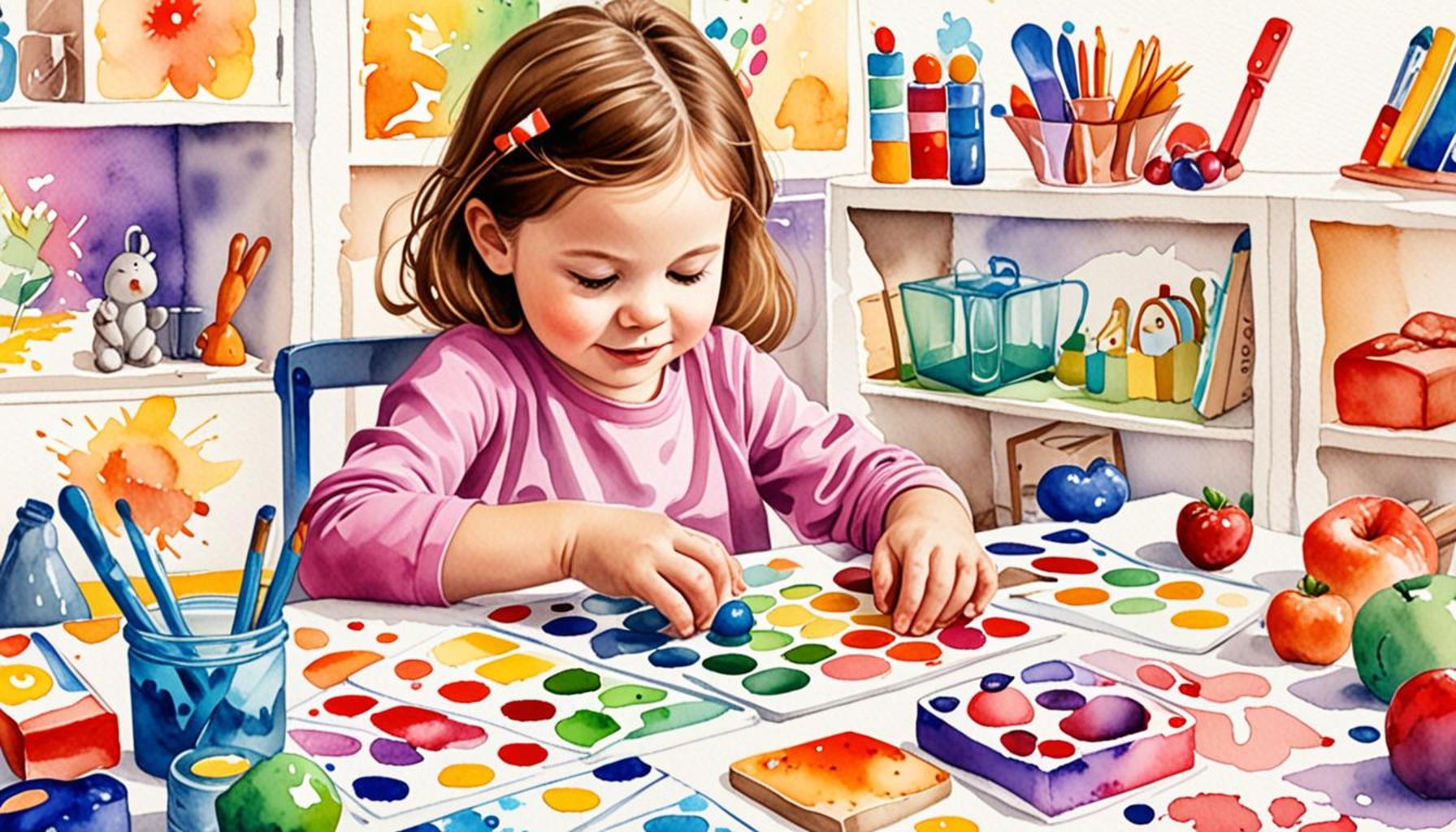
The Growing Role of Memory Games in Early Education
In the realm of early childhood education, memory games are treasured not only as sources of entertainment but also as pivotal educational instruments that significantly contribute to a child’s development. While these games might appear simple on the surface, the cognitive benefits they provide are profound and far-reaching, serving as a crucial part of shaping young minds.
Cognitive Development: At the core of memory games is their ability to enhance memory retention and recall. For instance, children playing memory card games must remember the location of various cards, which directly stimulates their working memory and improves focus. This kind of practice can be particularly beneficial in a technology-driven age where young learners are often easily distracted. According to educational psychologists, the engagement of these cognitive processes is essential, especially in foundational years, as it cultivates an environment conducive to learning new concepts and ideas.
- Social Skills: Many memory games involve collaborative play, which inherently promotes socialization. Through these games, children learn the value of teamwork, negotiation, and communication. For example, playing a memory game in pairs can encourage children to discuss strategies, ultimately enhancing their ability to work together towards a common goal. Such experiences are critical in nurturing their interpersonal skills, making them more adept at forming friendships and understanding diverse social cues.
- Emotional Growth: The competitive nature of memory games, whether they win or lose, provides an excellent opportunity for children to develop emotional resilience. They learn how to handle setbacks constructively, fostering a mindset that emphasizes perseverance. A study conducted by the American Psychological Association found that children who engage in games that involve winning and losing tend to cope better with disappointment and develop a more tenacious approach to challenges.
Additionally, research underscores the importance of interactive play in improving brain function and stimulating neurological pathways crucial for learning. Findings suggest that children who engage in memory games tend to develop better problem-solving abilities, extended attention spans, and heightened creativity. This not only prepares them for academic success but also equips them with skills for lifelong learning.
Moreover, educators across the United States are beginning to weave memory games into their daily lesson plans as a strategy to make learning more dynamic and enjoyable. Here are some effective methods being implemented in classrooms:
- Card Matching Games: These are utilized predominantly for vocabulary building, allowing children to learn new words by pairing them with corresponding images, thereby reinforcing their understanding through visual connections.
- Memory Puzzles: By engaging in memory puzzles, children expand their spatial awareness while enhancing their problem-solving skills as they navigate various pieces to complete the picture.
- Story Recalls: Activities where children recall parts of a story bolsters their comprehension and sequencing skills, fundamental abilities that are critical as they advance in their literacy journey.
In conclusion, as we further explore the significance of memory games in early childhood education, it becomes evident that their impact extends beyond mere entertainment. They are invaluable tools for stimulating early learning, facilitating cognitive growth, and shaping well-rounded individuals, paving the way for a successful future.

DIVE DEEPER: Click here to learn more
Unveiling the Benefits of Memory Games in Early Learning
Memory games hold an essential place in early childhood education by providing a structured yet playful approach to learning that is both engaging and effective. Through these games, children not only enjoy themselves but also experience a myriad of developmental advantages that are foundational for their futures. The interactivity and excitement anchored in these games offer children a unique opportunity to foster cognitive, social, and emotional growth, which is integral to their overall development.
Cognitive Benefits: One of the most significant advantages of memory games is their positive impact on cognitive skills. These games typically require children to remember specific information and use strategic thinking to succeed. For example, playing a classic game of memory cards encourages children to build their working memory by recalling the location of various cards. Engaging in this activity helps children enhance their focus and attention spans, skills that are crucial in an increasingly distracted world. Studies have indicated that children who regularly participate in memory games demonstrate heightened cognitive processing capabilities, setting them up for academic success.
- Language Development: Many memory games focus on vocabulary expansion, which is critical in the early stages of language acquisition. By pairing words with objects or images, children not only learn new terms but also gain context, improving their comprehension and articulation skills.
- Critical Thinking: As children play memory games, they develop crucial problem-solving skills. These games often require them to devise strategies for remembering card placements or identifying patterns, fostering their ability to think critically and adaptively in various situations.
- Attention to Detail: The nature of memory games encourages children to pay close attention to subtle differences and details, honing their observational skills. This emphasis on detail is fundamental for later academic endeavors, particularly in subjects like mathematics and science.
Social and Emotional Development: Beyond cognitive enhancements, memory games significantly influence children’s social and emotional growth. Collaborative play often accompanies these games, which provides children with opportunities to interact, share, and negotiate, all of which are foundational components of healthy socialization. Engaging in structured playtime allows children to form bonds with their peers, develop empathy, and learn the fine art of competition and cooperation.
In addition, memory games can pave the way for emotional learning. When children engage in these games, they experience the thrill of victory and the disappointment of defeat, both of which are vital for cultivating their emotional resilience. Understanding how to cope with loss while celebrating successes fosters a sense of perseverance that will benefit them across various life situations.
Educators are recognizing the myriad benefits of including memory games into early learning curricula. Creative implementations of these games in learning environments enhance the educational experience and make it more dynamic. As educators experiment with new game formats, they discover ways to mesh memory games with traditional learning objectives, advocating for a more holistic approach to early education.
As we delve deeper into the role of memory games in early childhood education, it becomes apparent that their integration into learning settings is invaluable. They not only stimulate early learning but also contribute to the comprehensive development of children, laying a solid foundation for their future endeavors.
| Category | Details |
|---|---|
| Cognitive Development | Memory games enhance children’s problem-solving skills and logical reasoning abilities. |
| Social Skills | These games promote teamwork and provide opportunities for interaction among peers. |
| Emotional Growth | Playing memory games fosters resilience by teaching patience and persistence. |
| Creativity Enhancement | Children can engage in creative play, enhancing their imagination skills alongside memory improvement. |
Memory games are more than mere entertainment; they serve as foundational tools for early childhood education, enhancing cognitive, social, emotional, and creative development. For instance, engaging in these interactive activities ignites problem-solving skills as children learn to remember and identify patterns. This sharpens their logical reasoning abilities, vital for future academic success. Furthermore, when children collaborate in memory games, they cultivate essential social skills like communication and sharing, which are critical for healthy relationships.The emotional growth stemming from these activities cannot be overlooked. Memory games provide children the chance to practice patience, allowing them to understand the essence of persistence even in challenging situations. Additionally, through role-playing and creative setups, these games fuel their imagination, positioning children not just as players but as innovators ready to explore new concepts and ideas. Through memory games, early childhood education becomes a rich landscape where learning flourishes through play.
DIVE DEEPER: Click here to discover more about brain games and memory retention
Enhancing Learning Through Practical Implementation of Memory Games
While the cognitive, social, and emotional benefits of memory games are substantial, their successful implementation in early childhood education is equally fundamental. As educators harness the potential of memory games, they foster an engaging learning environment that prioritizes developmental milestones and nurtures a child’s innate curiosity.
Creative Formats of Memory Games: Memory games can manifest in various creative formats that go beyond traditional cards. For instance, digital memory games, which are becoming increasingly popular, provide interactive platforms, allowing children to explore memory exercises through multimedia. Educators in the United States have utilized apps that integrate vibrant animations and sound effects, captivating children’s attention while reinforcing their memory skills. Furthermore, hands-on activities such as scavenger hunts that incorporate memory elements can make learning more dynamic and enjoyable, allowing children to experience information in multiple contexts.
Structured play, utilizing a combination of physical and digital memory games, encourages collaborative group activities. In this setting, children can take on different roles, from game leader to scorekeeper, further enhancing their social interaction and responsibility. Integrating themed memory games that tie in with seasonal events or classroom subjects—such as animals during a nature study or exploration of cultural holidays—also enriches the educational experience while aligning it with curriculum goals.
Data-Driven Results: Research indicates that classrooms that incorporate memory games see a marked improvement in student engagement and learning outcomes. A study conducted by the University of California, Riverside, found that children who participated in memory-enhancing activities exhibited an average improvement of 25% in retention rates over those who engaged in more passive learning methods. This statistic highlights the necessity of innovative teaching strategies that captivate young learners and help them absorb information effectively.
Moreover, memory games can be tailored to accommodate various learning styles and needs. Differentiation strategies can involve adjusting the complexity of the games based on each child’s developmental level—ensuring that all students have the opportunity to participate and benefit. By using inclusive memory games, educators can create a stronger sense of community and belonging within the classroom, allowing children to support one another in the learning process.
Family and Community Involvement: Engaging families in memory games offers an excellent opportunity for connections between home and school environments. Parents can be encouraged to participate in memory activities at home, reinforcing lessons learned in class. This continuity strengthens parental involvement and demonstrates the importance of collaborative learning, which researchers emphasize as a key element in early childhood education.
Community events, such as ‘Memory Game Nights,’ offer a platform for parents and children to engage together in learning-focused activities. Such initiatives not only promote a community spirit but also showcase the value of memory games as educational tools. By amplifying their role within the social fabric of the community, memory games become more than just fun activities—they transform into vital components of a child’s learning journey.
As memory games continue to evolve, their application in early childhood education extends far beyond mere amusement. By embracing their multifaceted advantages and innovative uses, educators can create a robust framework that stimulates early learning, paving the way for a generation of intellectually curious and socially adept individuals.
DIVE DEEPER: Click here to discover the cognitive benefits of mind games
Conclusion
In summary, the integration of memory games into early childhood education represents a transformative approach to fostering cognitive, social, and emotional development in young learners. These engaging activities, grounded in play, are instrumental in stimulating early learning as they not only enhance memory retention but also promote critical thinking and collaboration among peers. The incorporation of diverse formats, from traditional card games to modern digital platforms, reflects a commitment to adapting teaching strategies that resonate with the digital-age learners of today.
The compelling evidence from recent studies illustrates a direct correlation between the use of memory games and improved learning outcomes. With children displaying an average of 25% better retention rates in environments where these games are utilized, educators are encouraged to embrace innovative methods that capture their students’ interest and enhance their educational experience. Additionally, the importance of involving families and communities in these learning pursuits cannot be overstated; when parents participate in memory games at home, they not only reinforce classroom lessons but also strengthen the educational bond between home and school.
Ultimately, the role of memory games in early childhood education goes beyond mere entertainment. By fostering a playful yet productive learning atmosphere, educators lay the groundwork for lifelong skills, curiosity, and a love for learning. As we look towards the future, it is essential for educational stakeholders to continue exploring and expanding these interactive techniques, ensuring that every child has a robust foundation in their early learning journey.
Related posts:
Gamification of Memory: The Impact of Interactive Challenges on Learning and Memory
Boost Memory with Puzzles Types Effectiveness Explored
The Neuroscience Behind Memory Games: How They Enhance Brain Capacity
The Benefits of Active Memory: How Memory Games Stimulate Creativity and Innovation
The Importance of Memory Games in Healthy Aging: Preventing Cognitive Decline
The Intersection of Memory Games and Mindfulness Techniques: Enhancing Concentration and Retention

Linda Carter is a writer and puzzle expert specializing in mind games, brain teasers, and cognitive challenges. With extensive experience helping individuals enhance their problem-solving skills and think critically, Linda shares her knowledge on our platform. Her goal is to empower readers with practical advice, engaging puzzles, and strategies to sharpen their minds and achieve success in the captivating world of mind games and puzzles.