The Importance of Daily Meditation for Mental Health and Emotional Balance
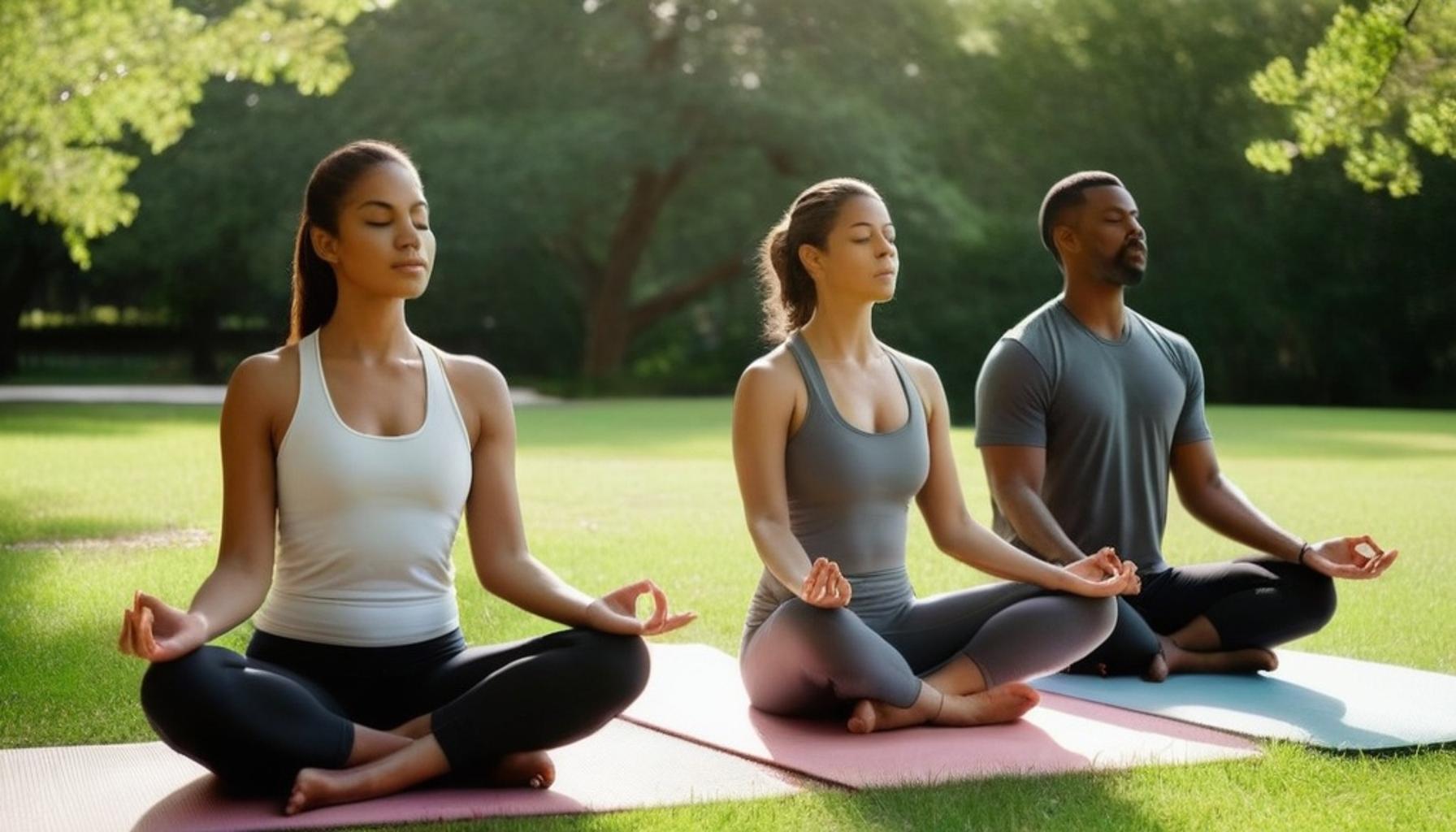
Why Millions of Americans Are Turning to Stillness Every Morning
Across the United States, a quiet revolution is unfolding in bedrooms, offices, and city parks before sunrise. More than 200 million adults now report trying some form of mindfulness practice, according to recent national health surveys. At the center of this shift is a simple, ancient habit: daily meditation for mental health. From busy parents in suburban Ohio to software engineers in Silicon Valley, people from every walk of life are carving out a few minutes of silence before their phones start buzzing.
A Practice Rooted in Data, Not Just Trends
This isn’t just a wellness fad fueled by social media influencers. Clinical research from institutions like Harvard and Johns Hopkins points to measurable changes in the brain after consistent practice. Understanding how meditation helps mental health requires looking beyond anecdotes and into neuroscience. Brain imaging studies reveal that meditation doesn’t just make people feel calmer in the moment—it physically reshapes neural pathways over time, strengthening areas associated with focus and self-awareness.
Studies show regular practitioners experience:
- Reduced activity in the brain’s amygdala, the region tied to stress and fear
- Lower cortisol levels, the hormone linked to chronic anxiety
- Improved emotional regulation within just eight weeks
- Better sleep quality and reduced symptoms of depression
- Increased gray matter density in regions associated with memory and empathy
Researchers at institutions like UCLA have even tracked these changes using MRI scans, comparing brain scans before and after eight-week mindfulness programs. The results consistently show shifts that mirror what participants describe: less reactivity, sharper focus, and a greater sense of control over their emotions.
More Than Relaxation: A Path to Emotional Stability
Achieving emotional balance through meditation isn’t about escaping reality—it’s about facing it with greater clarity. Many Americans juggling demanding careers, family responsibilities, and constant digital noise are discovering that a few quiet minutes can reset their entire day. A commuter in Chicago might use ten minutes on the train to breathe deeply before a stressful meeting, while a nurse in Texas might meditate in her car between hospital shifts.
The benefits of daily meditation extend far beyond momentary calm. From reducing workplace burnout to improving relationships, this practice is reshaping how people cope with modern life’s relentless pace. Companies like Google and Aetna have even introduced in-house mindfulness programs, reporting noticeable drops in employee stress and absenteeism.
But what does an effective routine actually look like? The answer involves specific meditation techniques for emotional well-being that anyone can learn, regardless of experience or schedule.
DISCOVER MORE: Click here to learn about the benefits of daily walking for mental health
The Science-Backed Techniques Behind a Calmer Mind
Walk into any wellness studio in Austin or scroll through a mental health app developed in Seattle, and you’ll notice a pattern: the most recommended practices aren’t random. They’re specific meditation techniques for emotional well-being that researchers have studied for decades. Understanding which method fits your lifestyle can be the difference between a habit that sticks and one that fades by February.
Breaking Down the Most Effective Methods
Not all meditation looks the same, and that’s actually good news. Different techniques target different aspects of mental health, giving people flexibility to choose what resonates with their daily routine and personality.
- Mindfulness meditation: Focuses on present-moment awareness, often through breath observation, and is widely used for mindfulness meditation for mental clarity
- Body scan meditation: Involves mentally scanning physical sensations from head to toe, helping release tension stored from stress
- Loving-kindness meditation: Centers on directing compassion toward oneself and others, shown to reduce symptoms of social anxiety
- Guided visualization: Uses mental imagery to lower heart rate and promote relaxation before high-pressure situations
- Transcendental meditation: Relies on silent repetition of a mantra, popular among executives seeking quick mental resets
A 2019 study published in JAMA Internal Medicine found that participants using mindfulness-based techniques for just 30 minutes a day over eight weeks reported a 30 percent reduction in anxiety symptoms. That’s not a marginal improvement—it’s comparable to results seen with some prescribed interventions, minus the side effects.
Researchers at institutions like Harvard and UCLA have gone further, using MRI scans to show measurable changes in brain structure among long-term practitioners. The amygdala, often called the brain’s fear center, tends to shrink in size, while the prefrontal cortex, responsible for decision-making and emotional control, shows increased activity. These aren’t subjective reports of feeling better; they’re physical, observable shifts inside the skull.
What makes this particularly interesting for skeptics is the accessibility factor. Unlike therapies requiring specialized equipment or expensive memberships, most of these techniques can be learned through free apps, YouTube tutorials, or community classes at local libraries from Chicago to San Diego. The barrier to entry is remarkably low compared to the potential payoff.
Why Consistency Matters More Than Duration
Here’s something that surprises many beginners: sitting for an hour once a week produces far weaker results than five minutes practiced every single day. Neuroscientists point to what’s called “neuroplasticity”—the brain’s ability to reorganize itself through repeated experience.
This explains why daily meditation for mental health outperforms sporadic, longer sessions. A schoolteacher in Portland who meditates for seven minutes each morning before her students arrive will likely see more sustainable results than someone who meditates for an hour only on Sundays.
The pattern reinforces neural circuits related to attention and emotional regulation, similar to how consistent exercise builds muscle more effectively than occasional intense workouts. Small, daily deposits into this mental habit compound over weeks and months, gradually reshaping how the brain responds to stress triggers throughout the day.
Behavioral scientists studying habit formation often cite a rough estimate of 66 days for a new routine to feel automatic rather than forced. That timeline matters here because many people abandon meditation around week two or three, right before the neurological benefits typically start solidifying. Apps that track streaks, much like fitness trackers count steps, have become popular precisely because they nudge users past this critical dropout window.
There’s also a practical angle worth considering: shorter sessions are easier to fit into an already packed schedule. A commuter in New York City stuck on a delayed subway can practice breath-focused mindfulness for three minutes without needing a quiet room or special cushion. That flexibility removes one of the biggest excuses people give for skipping the practice altogether, making the daily habit far more realistic to maintain long-term.
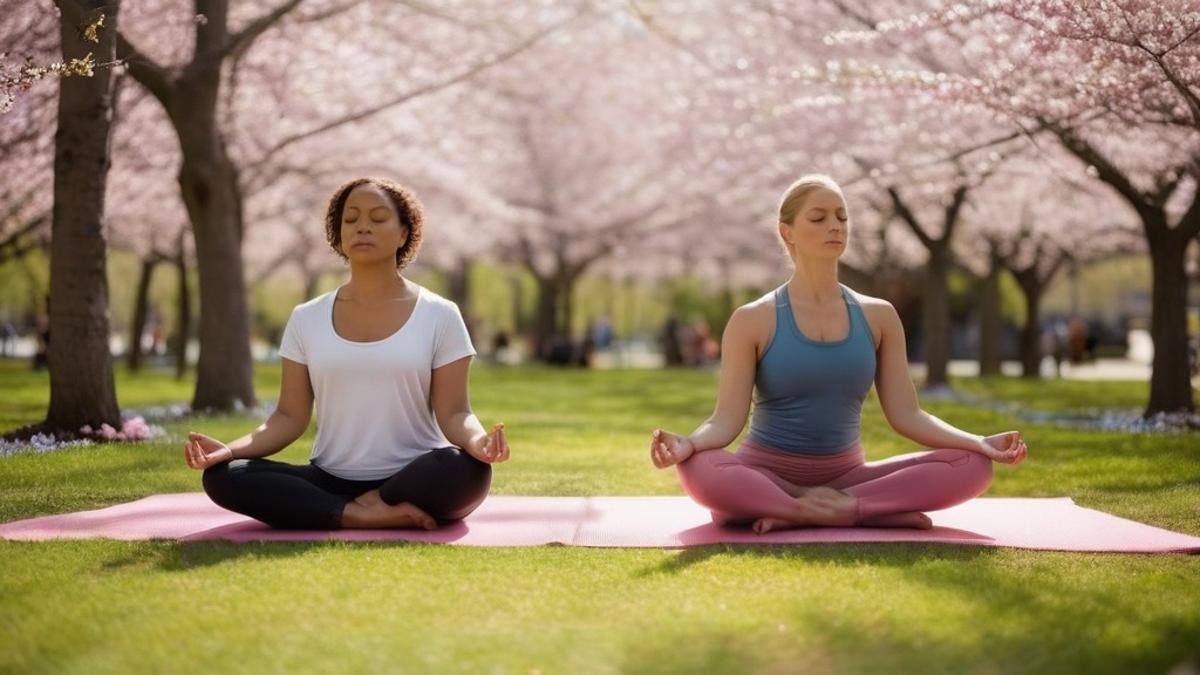
DIVE DEEPER: Click here for mindfulness techniques to manage stress
How Meditation Rewires the Body’s Stress Response
Beyond brain scans and lab studies, there’s a physiological story unfolding every time someone sits down to practice. Cortisol, the hormone most associated with stress, drops measurably after consistent meditation sessions. A study from Carnegie Mellon University found that participants who completed a three-day mindfulness program showed reduced cortisol levels weeks later, suggesting the effects extend well beyond the moment of practice itself.
The Nervous System Connection Few People Talk About
Most conversations about how meditation helps mental health focus on the brain, but the vagus nerve deserves equal attention. This nerve runs from the brainstem down through the chest and abdomen, acting as a communication highway between the brain and major organs.
When someone practices slow, controlled breathing during meditation, they stimulate what’s called the “vagal tone,” which shifts the body from fight-or-flight mode into rest-and-digest mode. This is why a nurse finishing a brutal twelve-hour shift in Houston might feel her racing heart rate slow within minutes of focused breathing, even without changing her physical environment.
- Lower resting heart rate: Regular practitioners often show measurable decreases over several months
- Improved heart rate variability: A marker linked to better stress resilience and cardiovascular health
- Reduced inflammatory markers: Some studies link consistent practice to lower levels of C-reactive protein
- Better sleep architecture: Participants report more time spent in deep sleep stages after weeks of practice
These aren’t abstract wellness buzzwords. They’re measurable outcomes tracked through blood work, wearable devices, and clinical sleep studies across multiple research institutions, from Stanford to Johns Hopkins.
Emotional Regulation as a Trainable Skill
One misconception worth addressing: meditation doesn’t eliminate difficult emotions. Instead, it changes how quickly someone recovers from them. Think of it less like a mood eraser and more like emotional weightlifting.
A software developer in Denver dealing with a tense product launch won’t stop feeling frustrated because he meditates. What changes is the recovery window—instead of staying agitated for hours, his nervous system settles within twenty or thirty minutes. This concept, sometimes called “emotional resilience,” is central to emotional balance through meditation.
Psychologists studying this phenomenon point to increased activity in the anterior cingulate cortex, a brain region tied to impulse control and emotional processing. Strengthening this area through repeated practice appears to give people more choice in how they react, rather than defaulting to automatic stress responses.
This distinction matters for anyone skeptical about whether meditation actually works. The benefits of daily meditation aren’t about achieving constant calm; they’re about building a faster, more efficient pathway back to baseline after life inevitably throws something stressful your way.
Building a Sustainable Practice for Long-Term Well-Being
The evidence gathered across Carnegie Mellon, Stanford, and Johns Hopkins points to a clear conclusion: daily meditation for mental health isn’t a passing wellness trend. It’s a measurable intervention with effects on cortisol levels, heart rate variability, and brain structure that researchers can track and verify.
What makes this practice compelling isn’t the promise of permanent calm. It’s the cumulative, trainable shift in how quickly someone bounces back from stress, frustration, or anxiety. That recovery window—shrinking from hours to minutes—represents real physiological change, not wishful thinking.
What This Means for Everyday Life
Consider the practical implications. A commuter stuck in Atlanta traffic, a teacher managing a classroom in Chicago, or a retiree adjusting to life after a career in Phoenix all face different stressors. Yet the same underlying mechanism applies to each: consistent practice strengthens the nervous system’s ability to regulate itself.
This is where meditation techniques for emotional well-being become less about escaping discomfort and more about building capacity to handle it. The anterior cingulate cortex doesn’t care whether the stress comes from a traffic jam or a difficult diagnosis. It responds to repeated training.
- Start with five to ten minutes daily rather than aiming for perfection
- Pay attention to breath and bodily sensations rather than forcing a blank mind
- Track physical markers like resting heart rate or sleep quality over several weeks
For those seeking mindfulness meditation for mental clarity, the data suggests patience matters more than intensity. Real change tends to show up gradually, often within three to eight weeks of consistent effort.
The broader takeaway is straightforward. The benefits of daily meditation aren’t reserved for monks or wellness influencers. They’re accessible, documented, and available to anyone willing to sit still for a few minutes and pay attention.
Frequently Asked Questions
How long should I meditate each day to see benefits for mental health?
Research suggests that just 10 to 20 minutes of daily meditation can significantly reduce symptoms of anxiety and depression over time. Beginners can start with 5 minutes and gradually increase duration as consistency becomes easier. The key factor is daily practice rather than session length, since regularity builds the neural pathways associated with emotional regulation.
Can daily meditation actually reduce anxiety and stress hormones?
Yes, studies show that consistent meditation lowers cortisol levels, the body’s primary stress hormone, and calms overactive amygdala responses linked to anxiety. Practices like mindfulness meditation train the brain to respond to stressors with less reactivity. Over weeks of daily practice, many people report noticeably reduced baseline anxiety and improved ability to handle stressful situations.
What type of meditation is best for emotional balance?
Mindfulness meditation and loving-kindness meditation are particularly effective for emotional balance because they help you observe emotions without judgment and cultivate compassion toward yourself and others. Body scan meditation is also useful for releasing tension tied to suppressed emotions. Experimenting with different styles helps identify which resonates best with your personality and needs.
How soon can I expect to notice improvements in my mental health from meditating daily?
Some people notice reduced stress and better focus within one to two weeks of consistent daily meditation. More significant changes in mood regulation and emotional resilience typically appear after 8 weeks, which aligns with findings from mindfulness-based stress reduction (MBSR) studies. Results vary by individual, so patience and consistency are essential.
Is daily meditation effective enough to replace therapy or medication for mental health issues?
Daily meditation is a powerful complementary tool but is not typically recommended as a full replacement for therapy or medication, especially for diagnosed conditions like severe depression or anxiety disorders. It works best alongside professional treatment, enhancing coping skills and emotional awareness. Always consult a mental health professional before adjusting any existing treatment plan.

Linda Carter
Linda Carter is a writer specializing in healthy habits and balanced living. With extensive experience helping readers build sustainable routines, she shares practical guidance on nutrition, physical activity, quality sleep, stress management, and emotional well-being. Her goal is to offer simple, accessible strategies that inspire people to care for their health and enjoy a more balanced life.