
Mindfulness and its Influence on Mental and Emotional Health
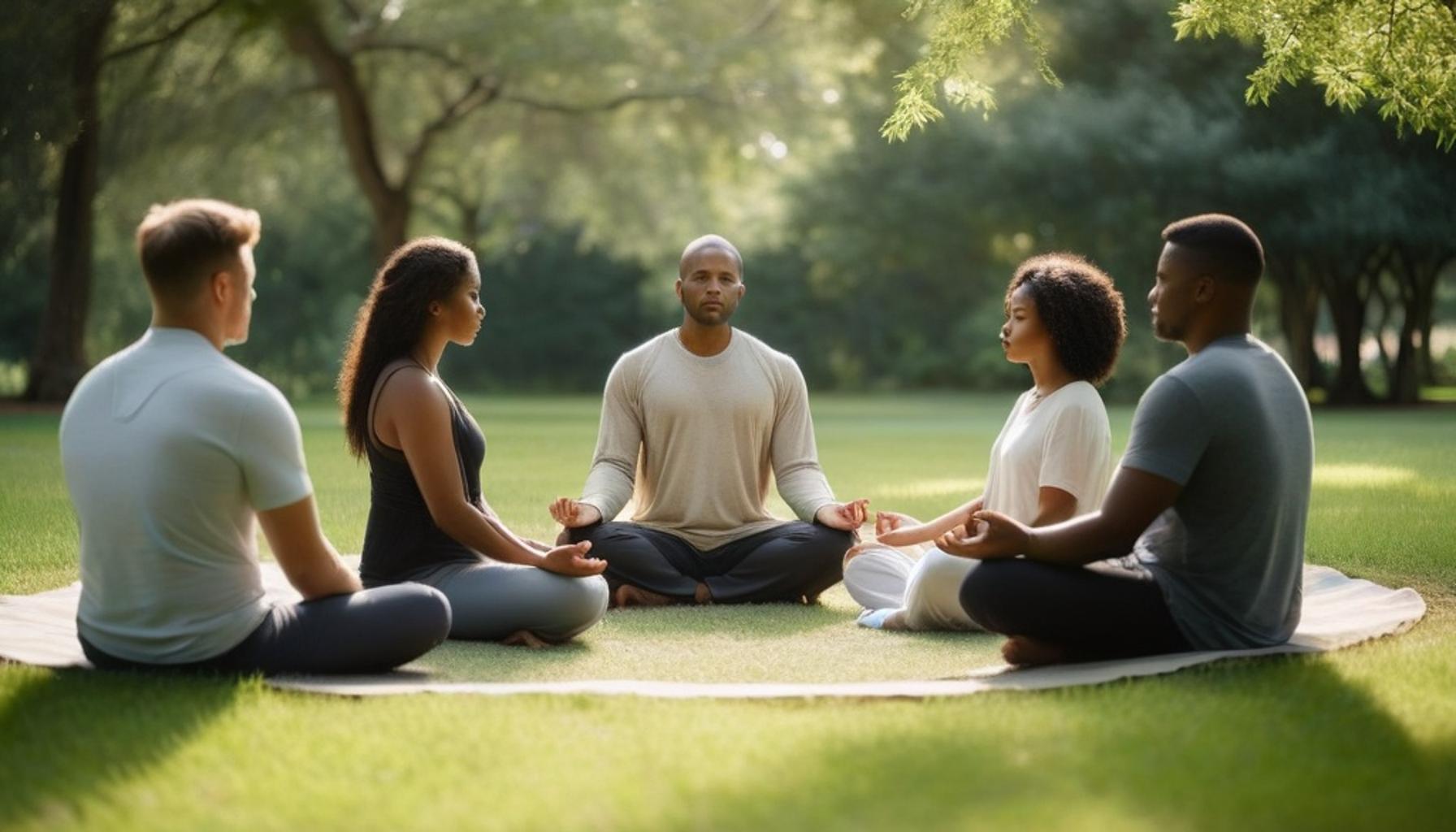
Finding Calm in a Chaotic World
Americans are more stressed than ever. According to the American Psychological Association, nearly 76% of adults reported experiencing health impacts from stress in recent years, from headaches to anxiety and fatigue. This isn’t just a temporary blip—experts point to a combination of economic pressures, political division, social media overload, and the lingering effects of the pandemic as contributing factors to what some researchers now call a national mental health crisis.
Enter mindfulness, a practice once associated with meditation retreats and yoga studios that has now entered mainstream conversations about Mindfulness and Mental Health. From Silicon Valley boardrooms to public school classrooms in New York City, this ancient technique is being embraced as a modern solution to modern problems. Companies like Google and Apple have integrated mindfulness training into employee wellness programs, while school districts from California to Massachusetts are piloting classroom meditation sessions to help students manage academic stress and emotional regulation.
Why This Practice Is Gaining Momentum
Research increasingly supports what practitioners have claimed for centuries. Studies published in journals like JAMA Internal Medicine link consistent mindfulness practices for anxiety reduction with measurable changes in brain structure and function. Neuroimaging studies have shown that regular meditation can actually increase gray matter density in areas of the brain associated with emotional regulation, while simultaneously reducing activity in the amygdala—the region responsible for triggering fight-or-flight responses.
The appeal extends beyond clinical settings. People are discovering that mindfulness and emotional well-being are deeply connected, offering tools that fit into everyday routines rather than requiring drastic lifestyle changes. Whether it’s a five-minute breathing exercise before a work meeting or a guided meditation app used during a commute, mindfulness has proven remarkably adaptable to the fast-paced American lifestyle.
This growing interest raises important questions:
- How exactly does mindfulness affect the brain and body?
- What are the most effective mindfulness techniques for beginners?
- Can mental health improvement through mindfulness be measured scientifically?
- Is this practice suitable for everyone, or are there limitations?
The benefits of mindfulness appear to extend across age groups, professions, and even chronic health conditions, including chronic pain management and cardiovascular health. Veterans dealing with PTSD, cancer patients undergoing treatment, and even professional athletes seeking mental edge have all turned to mindfulness-based interventions with reported success. Understanding how this practice works—and how to incorporate it effectively—could be the key to managing today’s mental health challenges.
This article explores the science, techniques, and real-world applications behind one of the most talked-about wellness trends in America today.
CHECK OUT: The Importance of Daily Meditation for Mental Health and Emotional Balance
The Science Behind the Stillness
To understand why Mindfulness and Mental Health have become so intertwined in modern wellness conversations, it helps to look at what’s actually happening inside the brain. This isn’t vague spiritual talk—it’s measurable neuroscience backed by decades of clinical research, the kind of data that shows up in peer-reviewed journals rather than lifestyle blogs.
Dr. Jon Kabat-Zinn, the molecular biologist who founded the Mindfulness-Based Stress Reduction (MBSR) program at the University of Massachusetts Medical School in 1979, was among the first to bring mindfulness into clinical settings in the United States. He took practices rooted in centuries-old contemplative traditions and stripped away the religious framing, presenting them instead as a trainable skill grounded in attention and awareness. His work laid the foundation for what has since become a multibillion-dollar wellness industry, but more importantly, it opened the door for rigorous scientific study that continues to expand today.
What Happens in the Brain During Mindfulness Practice
Functional MRI scans reveal fascinating changes in people who practice mindfulness consistently over eight weeks or more. Researchers at Harvard Medical School found that participants in an MBSR program showed increased cortical thickness in the hippocampus, a region governing learning and memory, while the amygdala—the brain’s alarm system—actually shrank in size. Follow-up studies at UCLA have echoed similar findings, noting that participants also reported subjective improvements in mood that correlated directly with these structural brain changes.
This matters because a smaller, less reactive amygdala often translates to reduced anxiety and improved emotional regulation in daily life. In other words, people become less likely to spiral into panic during a traffic jam on the interstate or a tense email exchange with a boss. For many Americans juggling long commutes, demanding jobs, and constant digital notifications, this kind of measurable calm isn’t just appealing—it’s practical.
The connection between mindfulness and emotional well-being becomes clearer when you consider these documented physiological effects:
- Lower cortisol levels, the primary stress hormone linked to inflammation and weight gain
- Reduced blood pressure and heart rate during stressful situations
- Improved sleep quality, with some studies showing a 40% reduction in insomnia symptoms
- Enhanced immune system response, according to research published by Carnegie Mellon University
- Greater activity in the prefrontal cortex, associated with decision-making and impulse control
These aren’t isolated findings from fringe studies. Major institutions, including the Mayo Clinic and Johns Hopkins University, have incorporated mindfulness-based protocols into their patient care models specifically because the data supports mental health improvement through mindfulness. Even the U.S. Department of Veterans Affairs has piloted mindfulness programs for veterans dealing with PTSD, citing measurable reductions in hypervigilance and intrusive thoughts.
Why the Timeline Matters
What makes this research particularly compelling for American audiences is its practical timeline. Unlike some interventions that require years of commitment, many of these brain changes were observed after just two months of consistent practice—roughly the same amount of time it takes to train for a 5K race or learn a new language app’s basics. Corporate wellness programs at companies like Google and Aetna have taken notice, integrating short daily mindfulness sessions into employee schedules and reporting measurable drops in self-reported stress levels within a single fiscal quarter.
Key Aspects of Mindfulness and Mental Health at a Glance
Understanding the benefits of mindfulness becomes easier when the core elements are organized side by side. The table below highlights how specific mindfulness techniques connect directly to measurable improvements in psychological well-being, offering a quick reference before diving deeper into the science.
| Aspect of Mindfulness | Impact on Mental & Emotional Health |
|---|---|
| Breath-Focused Meditation | Reduces cortisol levels, easing stress and mindfulness practices for anxiety relief. |
| Body Scan Awareness | Improves recognition of physical tension linked to emotional distress. |
| Non-Judgmental Observation | Strengthens mindfulness and emotional well-being by reducing rumination. |
| Consistent Daily Practice | Supports long-term mental health improvement through mindfulness routines. |
These findings suggest that even short, structured sessions can reshape how the brain responds to stress, paving the way for a deeper exploration of Mindfulness and Mental Health research in the sections ahead.
DISCOVER MORE: Click here to learn about mindfulness for stress management
# From Theory to Practice: Mindfulness Techniques That Actually WorkUnderstanding the neuroscience is one thing; putting it into practice is another challenge entirely. The gap between knowing mindfulness works and actually building a sustainable habit is where most people stumble, and it’s worth examining which specific mindfulness techniques hold up under real-world conditions.
Popular Approaches Gaining Traction Across the Country
Not all mindfulness practices look the same, and that variety is actually good news for skeptics who assume it requires sitting cross-legged for an hour. Clinical psychologists across the country have adapted several evidence-based approaches that fit into ordinary American schedules.
Body scan meditation, popularized through Kabat-Zinn’s original MBSR curriculum, involves systematically directing attention through different areas of the body. Studies from Stanford University’s Center for Compassion and Altruism Research found that even 10-minute sessions reduced perceived stress scores by nearly 30% among working professionals.
Then there’s mindful breathing, arguably the most accessible entry point. The 4-7-8 technique—inhaling for four seconds, holding for seven, exhaling for eight—has been adopted by everyone from Navy SEALs to first-year teachers managing classroom anxiety in cities like Chicago and Austin.
Other widely practiced methods include:
- Walking meditation, often practiced on urban trails or during lunch breaks in office parks
- Loving-kindness meditation, shown to increase positive emotions according to research from the University of North Carolina
- Mindful eating, which nutritionists increasingly recommend for addressing emotional overeating patterns
- Progressive muscle relaxation combined with breath awareness for those managing chronic tension
Targeting Anxiety Specifically
Among the most compelling applications involves mindfulness practices for anxiety, a condition affecting over 40 million American adults according to the Anxiety and Depression Association of America. Unlike medication, which can take weeks to show effects and often carries side effects, mindfulness-based interventions have demonstrated measurable anxiety reduction within days for some participants.A 2022 study published in JAMA Psychiatry compared mindfulness-based stress reduction directly against escitalopram, a commonly prescribed SSRI, and found comparable effectiveness in treating anxiety disorders. That finding alone sparked considerable conversation among clinicians who previously viewed mindfulness as merely complementary rather than a standalone treatment option.
What separates successful practitioners from those who abandon the habit within weeks often comes down to consistency rather than duration. Research from the Greater Good Science Center at UC Berkeley suggests that five minutes daily produces better long-term outcomes than sporadic 30-minute sessions once a week. This finding challenges the assumption that more time automatically equals better results, offering a realistic entry point for busy parents, shift workers, and students juggling multiple responsibilities across different time zones.
Mindfulness and Mental Health: What the Evidence Really Tells Us
The science is no longer up for debate: Mindfulness and Mental Health are deeply intertwined, backed by decades of research from institutions like Stanford, UC Berkeley, and Harvard Medical School. What started as a niche practice borrowed from Buddhist tradition has become a mainstream tool validated by MRI scans, clinical trials, and comparative studies against pharmaceutical interventions.
Bringing the Pieces Together
Throughout this discussion, one theme keeps resurfacing: accessibility matters more than intensity. The benefits of mindfulness aren’t reserved for those with hours to spare on a meditation cushion. A five-minute breathing exercise during a lunch break in Dallas or a body scan before bed in Seattle can produce measurable shifts in cortisol levels and emotional regulation.
Equally important is recognizing that different mindfulness techniques serve different needs. Someone managing panic attacks might gravitate toward the 4-7-8 breathing method, while another person navigating grief could find loving-kindness meditation more relevant to their emotional landscape.
Looking Ahead
What remains genuinely intriguing is how researchers continue uncovering new applications. Ongoing trials are now exploring whether mindfulness could reduce reliance on opioid prescriptions for chronic pain patients, a possibility with significant implications for public health policy.
For anyone hesitant to start, the data suggests waiting isn’t necessary. Mindfulness and emotional well-being improvements often begin within the first two weeks of consistent practice, according to multiple peer-reviewed studies referenced earlier.
Ultimately, mental health improvement through mindfulness isn’t a trend destined to fade. It’s a shift in how Americans, from healthcare providers to school counselors, are rethinking emotional resilience for the decades ahead.
Frequently Asked Questions
How does mindfulness actually improve mental health?
Mindfulness trains the brain to observe thoughts and feelings without immediately reacting to them, which reduces the intensity of stress and anxiety responses. Regular practice has been shown to lower activity in the amygdala, the brain’s fear center, while strengthening areas linked to emotional regulation. Over time, this helps people respond to challenges with more calm and clarity instead of getting overwhelmed.
Can mindfulness help with anxiety and depression symptoms?
Yes, numerous studies show that mindfulness-based interventions like MBSR and MBCT can significantly reduce symptoms of anxiety and depression. These practices help break the cycle of rumination and negative thought patterns that often fuel these conditions. However, mindfulness works best as a complement to, not a replacement for, professional treatment when symptoms are severe.
How long does it take to see mental health benefits from mindfulness practice?
Some people notice reduced stress and improved mood after just a few sessions, but research suggests consistent practice for 8 weeks produces measurable changes in brain structure and emotional resilience. Daily practice of even 10-15 minutes tends to yield better results than sporadic longer sessions. Benefits generally build gradually and become more stable with continued practice over months.
What’s the difference between mindfulness meditation and other relaxation techniques for emotional health?
Unlike relaxation techniques that aim to calm the body, mindfulness focuses on cultivating present-moment awareness and accepting emotions without judgment, even uncomfortable ones. This acceptance-based approach helps build long-term emotional resilience rather than just providing temporary relief. Many people find mindfulness more sustainable because it changes how they relate to stress rather than just masking it.
Is mindfulness practice safe for everyone, including people with trauma histories?
While mindfulness is generally safe, people with significant trauma histories may sometimes experience distressing memories or emotions surfacing during practice. It’s advisable for trauma survivors to work with a trauma-informed therapist or instructor who can guide the practice appropriately. Starting with shorter, guided sessions rather than prolonged silent meditation is often recommended in these cases.
What simple mindfulness exercises can I start with today to support my mental health?
Beginners can start with a simple breathing exercise, focusing on the sensation of each inhale and exhale for just 5 minutes daily. Body scan meditations, where you mentally check in with different parts of your body, are also accessible and effective for reducing stress. Mindful walking, paying close attention to each step and your surroundings, is another practical option that fits easily into a daily routine.

Linda Carter
Linda Carter is a writer specializing in healthy habits and balanced living. With extensive experience helping readers build sustainable routines, she shares practical guidance on nutrition, physical activity, quality sleep, stress management, and emotional well-being. Her goal is to offer simple, accessible strategies that inspire people to care for their health and enjoy a more balanced life.


