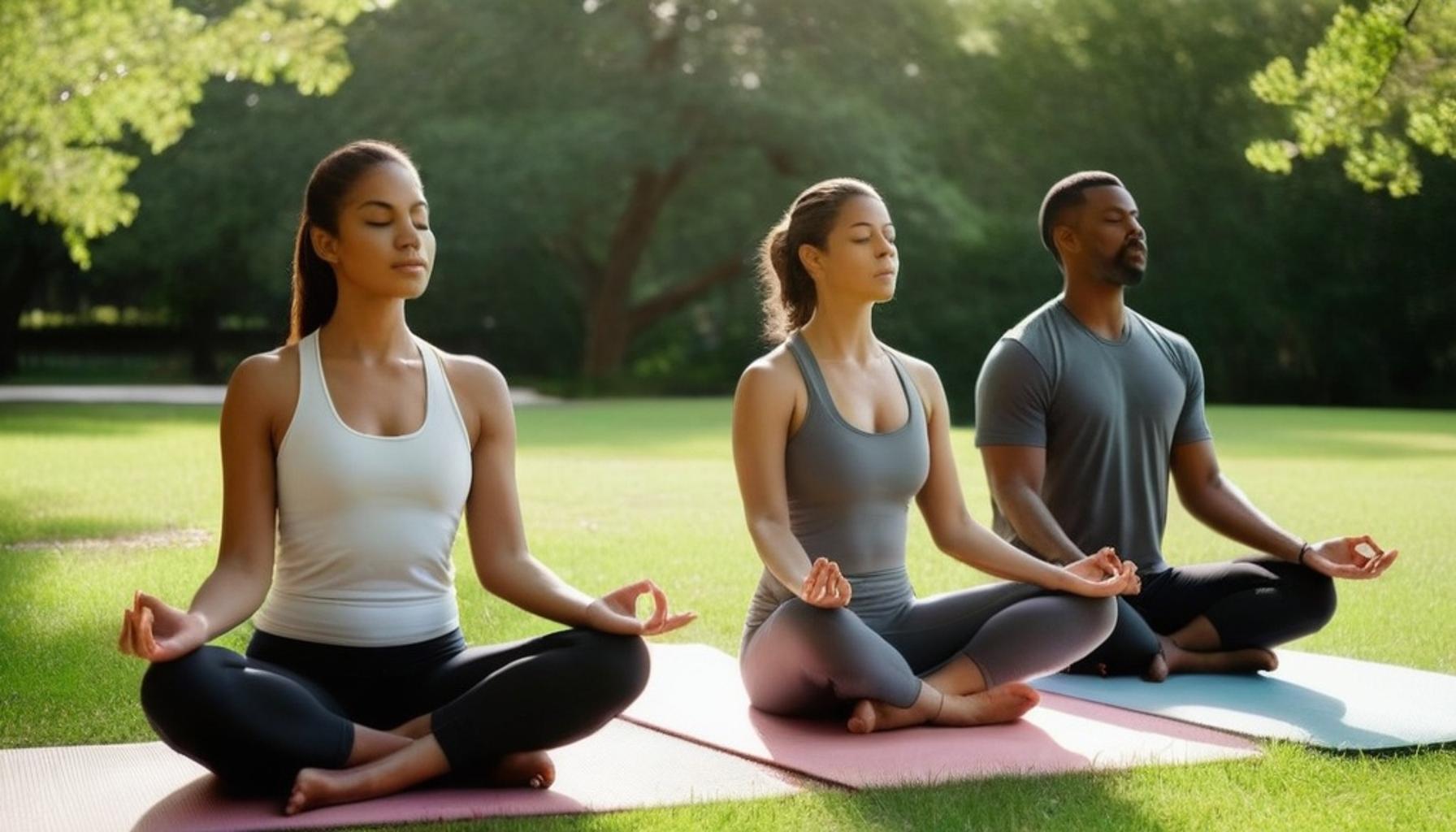
The importance of meditation in maintaining mental health
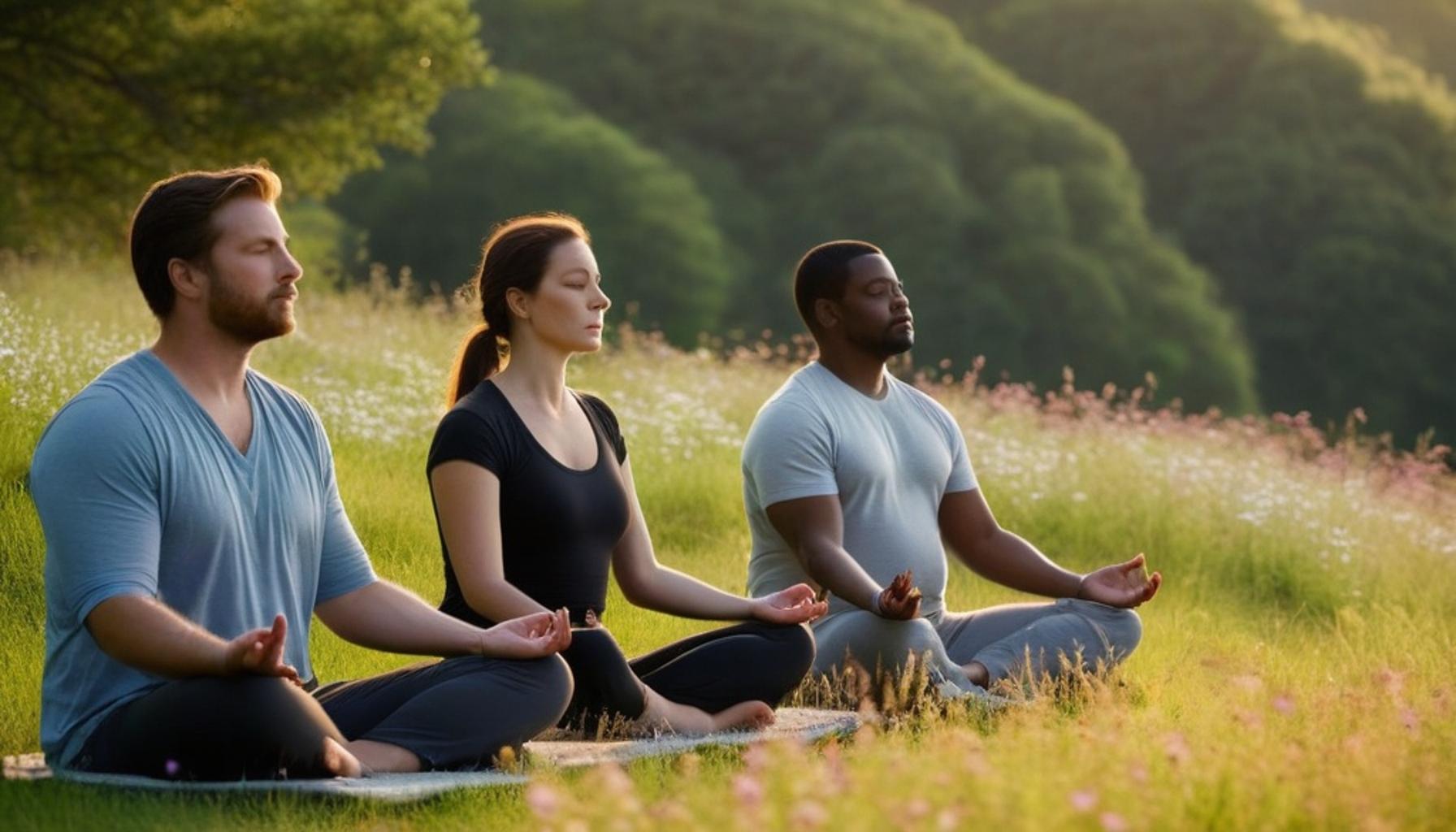
A Quiet Practice Making Noise in Mental Health Circles
Nearly one in five American adults experiences some form of mental illness each year, according to the National Institute of Mental Health. Amid rising anxiety, burnout, and stress-related conditions, a centuries-old practice is gaining fresh scientific credibility as a powerful tool for psychological resilience.
The importance of meditation in supporting emotional balance is no longer just a wellness trend—it’s backed by growing clinical research. From Silicon Valley boardrooms to VA hospitals treating veterans with PTSD, this practice has found its way into mainstream mental health care, showing up in corporate wellness programs, public school curriculums, and even prescription-adjacent treatment plans recommended by psychiatrists.
Why This Ancient Practice Matters Now
Understanding how meditation improves mental health starts with recognizing what’s at stake. Chronic stress rewires the brain, weakens immune function, and fuels conditions like depression and generalized anxiety disorder. Cortisol, the body’s primary stress hormone, floods the system during periods of prolonged tension, contributing to sleep disturbances, weight gain, and even cardiovascular strain over time.
Research from Johns Hopkins University found that mindfulness and mental health practices can reduce symptoms of anxiety and depression with effect sizes comparable to antidepressant medication in some studies. Other institutions, including Harvard Medical School, have used brain imaging to show measurable changes in gray matter density among regular meditators, particularly in regions associated with memory, empathy, and stress regulation. These findings have pushed insurers and healthcare systems to take a second look at meditation not as an alternative therapy, but as a legitimate clinical intervention.
The American workplace has taken notice too. Companies like Google, Aetna, and General Mills have implemented meditation programs for employees, reporting measurable drops in reported stress levels and healthcare costs. Meanwhile, school districts from California to New York are piloting mindfulness curricula aimed at helping students manage academic pressure and social anxiety before it escalates into more serious mental health concerns.
What This Article Will Explore
- The documented impact of meditation on anxiety and stress hormone regulation, including specific physiological markers researchers track
- Specific meditation techniques for mental wellness that fit into busy American lifestyles, from five-minute breathing exercises to app-guided sessions
- Real-world applications in workplaces, schools, and healthcare settings, including case studies from major institutions
- Practical steps for beginners to build a sustainable practice, without needing incense, silence retreats, or hours of free time
Whether you’re managing daily stress or seeking long-term emotional stability, understanding the connection between meditation and mental health benefits could reshape how you approach self-care. What follows is a closer look at the science, the skeptics, and the surprising places this ancient practice has landed in modern American life.
RECOMMENDED: The Importance of Daily Meditation for Mental Health and Emotional Balance
Inside the Brain: How Meditation Rewires Your Response to Stress
To understand the impact of meditation on anxiety, it helps to look at what happens inside the skull during a panic-inducing deadline or a heated family argument. The amygdala, often called the brain’s alarm system, lights up in response to perceived threats, triggering the release of cortisol and adrenaline. For most Americans juggling work, finances, and family obligations, this alarm rarely gets a chance to fully reset.
Neuroscientists have spent the past two decades mapping exactly how chronic stress reshapes neural pathways, and the findings are not comforting. Repeated activation of the amygdala can cause it to grow more sensitive over time, meaning smaller triggers eventually produce bigger reactions. A missed email notification starts feeling like an emergency. A minor disagreement with a spouse spirals into a full-blown argument. This is the biological loop that keeps millions of Americans stuck in cycles of chronic worry.
A study published in Psychiatry Research found that participants who completed an eight-week mindfulness-based stress reduction (MBSR) program showed measurable decreases in amygdala gray matter density. Translation: the brain’s threat-detection center literally became less reactive. Participants also reported feeling calmer in situations that previously triggered anxiety spikes, from crowded subway commutes to tense workplace meetings.
What makes this finding particularly striking is the timeline involved. Eight weeks is roughly the same duration as many short-term therapy programs, yet the changes observed were structural, visible on brain scans rather than simply self-reported. Researchers involved in the study noted that this level of measurable change challenges the old assumption that adult brains are largely fixed once past adolescence.
The Cortisol Connection
Cortisol levels offer one of the clearest physiological markers researchers use to measure how meditation improves mental health. A 2013 meta-analysis in Health Psychology reviewed multiple studies and found consistent reductions in cortisol among regular meditators compared to control groups.
Lower cortisol doesn’t just mean feeling less stressed in the moment. Over time, it translates to:
- Improved sleep quality and reduced insomnia symptoms
- Lower resting blood pressure and reduced cardiovascular strain
- Better immune function, with fewer inflammatory markers circulating in the blood
- Reduced risk of stress-related weight gain, particularly abdominal fat linked to prolonged cortisol exposure
These aren’t abstract clinical outcomes. They show up in everyday life as fewer sick days, better focus at work, and a noticeable difference in how people handle unexpected setbacks. Employers across the country have taken notice too, with companies like Google and Aetna incorporating meditation breaks into workplace wellness programs after observing productivity gains linked to lower employee stress levels.
Some researchers argue that the cortisol reduction observed in meditators mirrors what happens after moderate aerobic exercise, suggesting that meditation might work through overlapping physiological pathways rather than an entirely separate mechanism. This remains an active area of investigation, with several universities currently running comparative studies to determine which practice, or combination of practices, delivers the most consistent results.
Anxiety Disorders and the Search for Alternatives
With anxiety disorders affecting more than 40 million American adults annually, according to the Anxiety and Depression Association of America, interest in non-pharmaceutical interventions has surged. Many patients cite concerns about medication side effects or long-term dependency as reasons for exploring mindfulness and mental health practices instead.
Psychiatrists aren’t necessarily suggesting patients abandon prescribed treatment. Instead, many now recommend meditation as a complementary approach, one that patients can practice independently between therapy sessions. This shift reflects a broader recognition within the medical community that the importance of meditation lies not in replacing clinical care, but in reinforcing it with tools patients can access anywhere, anytime, without a prescription or copay.
Insurance providers have started to catch on as well. Several major health plans now offer discounts or reimbursements for meditation app subscriptions, treating mindfulness training with the same seriousness once reserved for gym memberships. Whether this trend reflects genuine clinical consensus or simply cost-cutting remains a subject of debate among healthcare policy analysts, but the momentum behind it shows no signs of slowing.
Key Aspects of Meditation and Their Role in Mental Wellness
Understanding the importance of meditation becomes clearer when examining its specific techniques and their measurable effects on the mind. Research on meditation and mental health benefits shows that consistent practice can reshape brain activity within weeks. Below is a breakdown of common meditation techniques for mental wellness and how they influence emotional balance, stress response, and the impact of meditation on anxiety.
| Meditation Technique | Mental Health Benefit |
|---|---|
| Mindfulness Meditation | Reduces overthinking and enhances present-moment awareness, easing symptoms of chronic stress |
| Breathing Exercises | Lowers cortisol levels, directly addressing the impact of meditation on anxiety |
| Body Scan Meditation | Improves body awareness, reducing tension linked to depressive episodes |
| Loving-Kindness Meditation | Strengthens emotional resilience and empathy, supporting mindfulness and mental health long-term |
| Guided Visualization | Demonstrates how meditation improves mental health by promoting relaxation and better sleep quality |
SEE ALSO: Mindfulness and its Influence on Mental and Emotional Health
Beyond Anxiety: Depression, Focus, and the Everyday Applications of Practice
While much of the early research on meditation centered on anxiety, scientists have increasingly turned their attention to depression, attention disorders, and even chronic pain. The results suggest that the importance of meditation extends well beyond calming a racing mind before a big presentation, reaching into areas of mental health that were once treated almost exclusively with medication or long-term talk therapy.
A landmark study from Johns Hopkins University, published in JAMA Internal Medicine, reviewed nearly 19,000 meditation trials and found moderate evidence that mindfulness programs reduce symptoms of depression, anxiety, and pain almost as effectively as antidepressant medication in certain populations. Researchers were careful to note that meditation isn’t a cure-all, but the comparison alone was enough to raise eyebrows across the psychiatric community, prompting several major hospital systems to reconsider how mindfulness fits into standard treatment plans.
What’s particularly relevant for American readers is how this research is being applied outside clinical settings. Veterans Affairs hospitals across the country, including facilities in San Diego and Washington, D.C., now offer mindfulness-based programs to treat symptoms of PTSD, reporting improvements in sleep, irritability, and hypervigilance among participants. This marks a significant shift for an institution historically slow to adopt alternative therapies, and it signals a broader cultural acceptance of meditation as a legitimate clinical tool rather than a fringe wellness trend.
Sharper Focus in a Distraction-Driven Culture
Beyond emotional regulation, meditation techniques for mental wellness appear to strengthen attention span, a benefit with obvious appeal in a country where the average adult checks their phone roughly 144 times a day, according to data from Asurion. That constant pull toward screens has left many Americans wondering whether their ability to concentrate for extended periods is quietly eroding.
Researchers at the University of California, Santa Barbara found that just two weeks of mindfulness training improved reading comprehension scores and working memory capacity among college students, with measurable gains on standardized GRE-style verbal reasoning sections. For a generation raised on constant notifications, this kind of cognitive boost carries real academic and professional stakes, especially as employers increasingly cite attention span and sustained focus as top workplace concerns.
These attention-related benefits appear to stem from strengthened connectivity between the prefrontal cortex, responsible for decision-making, and regions of the brain involved in filtering out irrelevant stimuli. In plain terms, meditators seem to get better at ignoring the mental noise that constantly competes for attention, whether that noise comes from a buzzing phone or an overflowing inbox.
A Practical Entry Point for Skeptics
Despite the science, many Americans remain hesitant to try meditation, often picturing incense, chanting, or hours of silent sitting. In reality, most clinical studies use sessions lasting between ten and twenty minutes, a far more manageable commitment than the stereotype suggests.
Common entry points include:
- Guided breathing exercises through apps like Headspace or Calm, both of which report millions of active U.S. subscribers and have expanded partnerships with major health insurers such as Aetna
- Body scan meditations often used in physical therapy and pain management clinics, particularly for patients recovering from surgery or managing fibromyalgia
- Walking meditation, popular among office workers looking for a midday reset without sitting still, especially in urban environments like New York and Chicago
- Loving-kindness meditation, increasingly used in couples therapy to reduce resentment and improve communication
The Bigger Picture: Why Meditation Deserves a Place in America’s Mental Health Toolkit
From easing anxiety to sharpening focus and offering relief to veterans battling PTSD, the evidence keeps pointing in the same direction. The importance of meditation isn’t a wellness fad dressed up in scientific language; it’s a pattern showing up consistently across universities, hospitals, and clinical trials nationwide.
What makes this research particularly compelling is its accessibility. Unlike many interventions requiring expensive equipment or years of specialized training, meditation and mental health benefits are available to virtually anyone with ten spare minutes and a willingness to sit still, or even walk slowly through a city park.
Still, it’s worth resisting the urge to treat meditation as a replacement for professional care. Johns Hopkins researchers were explicit that mindfulness works best as a complement to, not a substitute for, medication or therapy when symptoms are severe. Understanding how meditation improves mental health means recognizing its role as one tool among many, not a singular fix.
Looking ahead, expect to see mindfulness woven further into unexpected corners of American life, from corporate wellness stipends to public school curricula in states like California and Ohio. Insurers reimbursing meditation apps and the Department of Veterans Affairs expanding mindfulness programs suggest that mainstream institutions are no longer waiting for more proof.
The impact of meditation on anxiety, depression, and attention has already reshaped how clinicians think about treatment, but the cultural shift may prove even more significant. As stress, screen time, and burnout continue climbing across the country, meditation techniques for mental wellness offer something rare: a low-cost, evidence-backed practice anyone can start today, whether that means downloading an app, joining a walking group, or simply sitting quietly for ten minutes before the day begins.
Frequently Asked Questions
How does meditation actually improve mental health?
Meditation reduces activity in the brain’s stress response system, lowering cortisol levels and easing symptoms of anxiety and depression. It also strengthens areas of the brain linked to emotional regulation and self-awareness, helping you respond to challenges more calmly. Over time, this can lead to improved mood, better focus, and greater resilience to daily stressors.
How many minutes of meditation per day are needed to see mental health benefits?
Research suggests that just 10 to 20 minutes of daily meditation can produce noticeable improvements in stress and anxiety levels within a few weeks. Consistency matters more than duration, so a short daily practice is more beneficial than occasional longer sessions. Beginners can start with 5 minutes and gradually increase the time as the habit becomes easier to maintain.
Can meditation replace therapy or medication for anxiety and depression?
Meditation is a helpful complementary tool, but it is not a substitute for professional treatment like therapy or medication in cases of clinical anxiety or depression. It works best alongside these treatments to enhance emotional regulation and reduce everyday stress. Anyone with persistent or severe mental health symptoms should consult a licensed mental health professional.
What type of meditation is best for reducing stress and improving focus?
Mindfulness meditation is widely considered one of the most effective forms for reducing stress because it trains you to stay present and observe thoughts without judgment. Breathing-focused meditation and body scan techniques are also excellent for calming the nervous system quickly. Trying a few different styles can help you find the one that best fits your personality and lifestyle.

Linda Carter
Linda Carter is a writer specializing in healthy habits and balanced living. With extensive experience helping readers build sustainable routines, she shares practical guidance on nutrition, physical activity, quality sleep, stress management, and emotional well-being. Her goal is to offer simple, accessible strategies that inspire people to care for their health and enjoy a more balanced life.